
BNN Summary
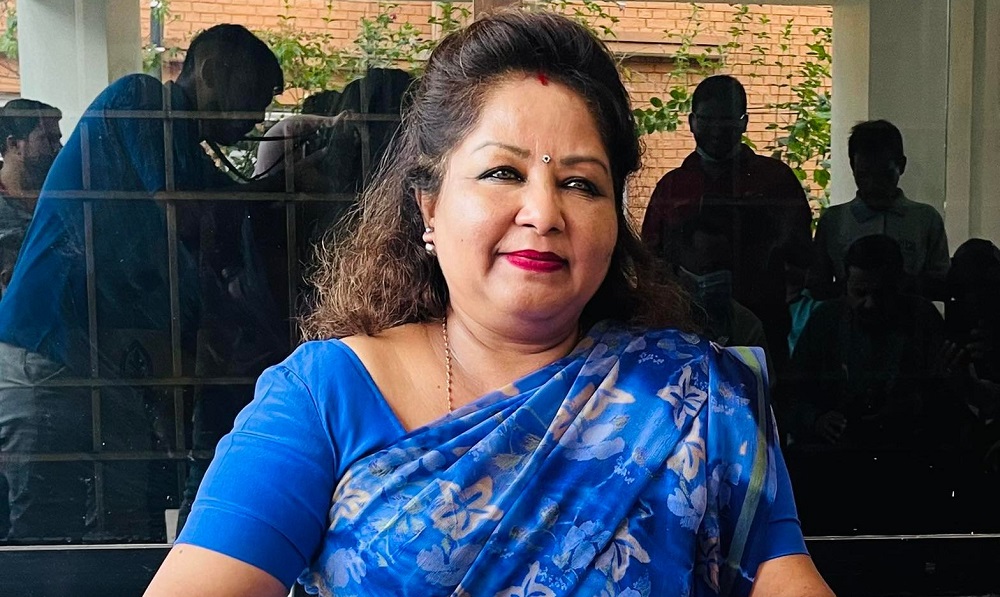
Nepal Foreign Minister Arzu Rana Deuba Khanal has described relations between Nepal and India as excellent despite occasional political ebb and flow. Speaking in New York, she emphasized a pragmatic approach to bilateral cooperation and introduced Nepal's evolving political landscape to international stakeholders.
In-Depth Analysis
Nepal Foreign Minister Arzu Rana Deuba Khanal has strongly reaffirmed the robust and enduring ties between Kathmandu and New Delhi, characterizing the bilateral relationship as 'excellent' despite occasional political fluctuations. Speaking during an official visit to New York, the Foreign Minister addressed regional dynamics, diplomatic priorities, and the overarching framework governing relations between the two South Asian neighbors.
During her engagements in the United States, Minister Khanal shed light on Nepal's dynamic political landscape, officially introducing the international community and diaspora to the country's new political order. She noted that while democratic transitions and domestic political shifts naturally produce a certain degree of 'ebb and flow' in bilateral optics, the foundational bond connecting the people and governments of both nations remains unshakeable and deeply rooted in shared history, culture, and geography.
Diplomatic observers have closely watched Kathmandu's recent diplomatic outreach, particularly as regional geopolitics evolve. Minister Khanal's remarks serve as a reassuring signal that Nepal remains committed to fostering stable, constructive, and mutually beneficial ties with India. She advocated strongly for a pragmatic cooperation push, emphasizing that practical economic partnerships, energy connectivity, trade, and infrastructure development must take precedence over political rhetoric.
The Foreign Minister pointed out that both nations stand to gain immensely from deepening economic integration. Energy cooperation, particularly cross-border power grid connectivity and hydroelectric power trade, remains a cornerstone of this pragmatic engagement. Nepal's vast hydropower potential, combined with India's surging energy demands, creates a natural synergy that benefits both economies. Furthermore, discussions in New York touched upon transit agreements, tourism promotion, and collaborative approaches to managing shared environmental and climate challenges in the Himalayan ecosystem.
Addressing international partners, Minister Khanal articulated Nepal's foreign policy stance of maintaining balanced and independent relations with all global and regional powers, anchored firmly in the principles of the United Nations Charter and non-alignment. She assured foreign investors and diplomats that Nepal's new political order is firmly dedicated to democratic governance, institutional stability, and creating an investment-friendly environment.
The emphasis on pragmatic cooperation rather than ideological posturing has been widely welcomed by policy analysts. By openly acknowledging historical and political nuances while firmly prioritizing economic and diplomatic collaboration, the Nepalese leadership aims to insulate bilateral relations from transient political disturbances. As both nations continue to navigate a complex and rapidly changing geopolitical landscape, New Delhi and Kathmandu appear poised to leverage their deep-seated civilizational ties to foster enduring stability and prosperity across the region.
How do you feel about this story?
Discussion
No comments yet. Be the first to share your thoughts.
Join the discussion
Sign in to share your thoughts on this story.
