BNN Summary
The Indian National Congress has escalated its nationwide agitation against Chief Election Commissioner Gyanesh Kumar, accusing the poll body of overseeing electoral malpractice. Protests erupted across multiple cities, leading to high-profile detentions of senior party leaders including Gaurav Gogoi, as police resorted to water cannons and tear gas to disperse crowds.
In-Depth Analysis
The political landscape in India has witnessed a dramatic escalation as the Indian National Congress launched a nationwide wave of protests targeting Chief Election Commissioner (CEC) Gyanesh Kumar. The demonstrations, organized under the banner of opposition against alleged vote theft and systemic electoral manipulation, have sparked intense confrontations between protesters and law enforcement agencies across several major urban centers.
Nationwide Demonstrations and Police Crackdown
From the capital regions to various state headquarters, Congress workers and leaders took to the streets to voice their profound dissatisfaction with the handling of recent electoral processes. The protests, colloquially referred to by party members as a decisive stand against institutional bias, quickly drew heavy police responses.
In cities like Patna and Chandigarh, the demonstrations turned turbulent. Senior Congress leader Gaurav Gogoi, along with several other prominent party figures, was detained by police forces as they attempted to march toward key government and election commission installations. Law enforcement authorities deployed aggressive crowd-control measures, including the use of water cannons and tear gas, to contain the swelling crowds and prevent breaches of security perimeters.
Escalating Rhetoric Against the Election Commission
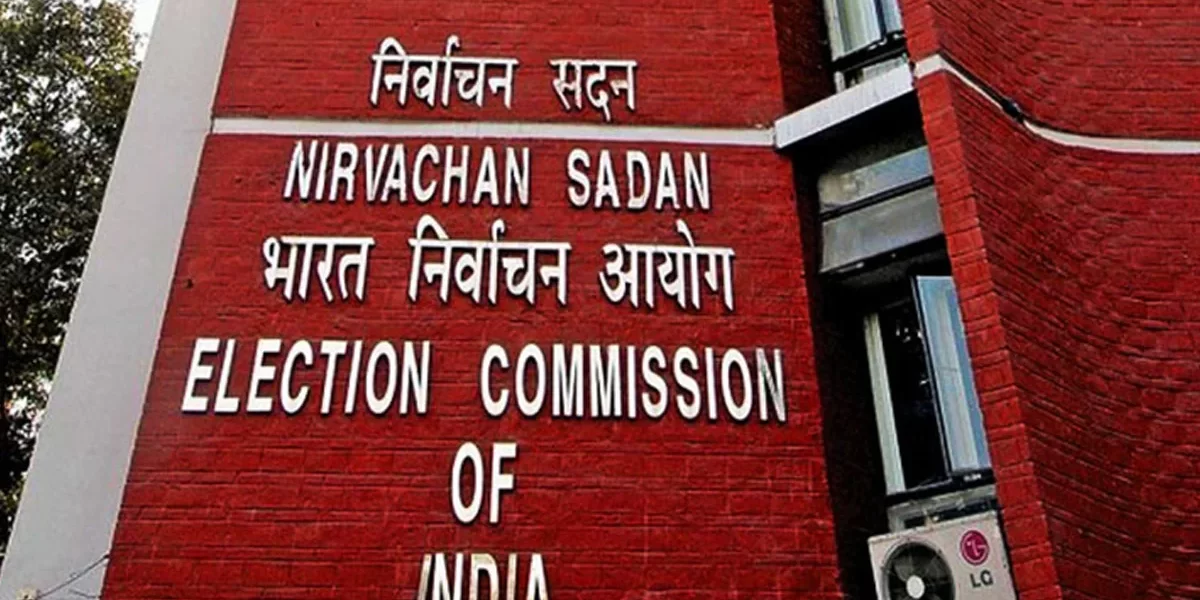
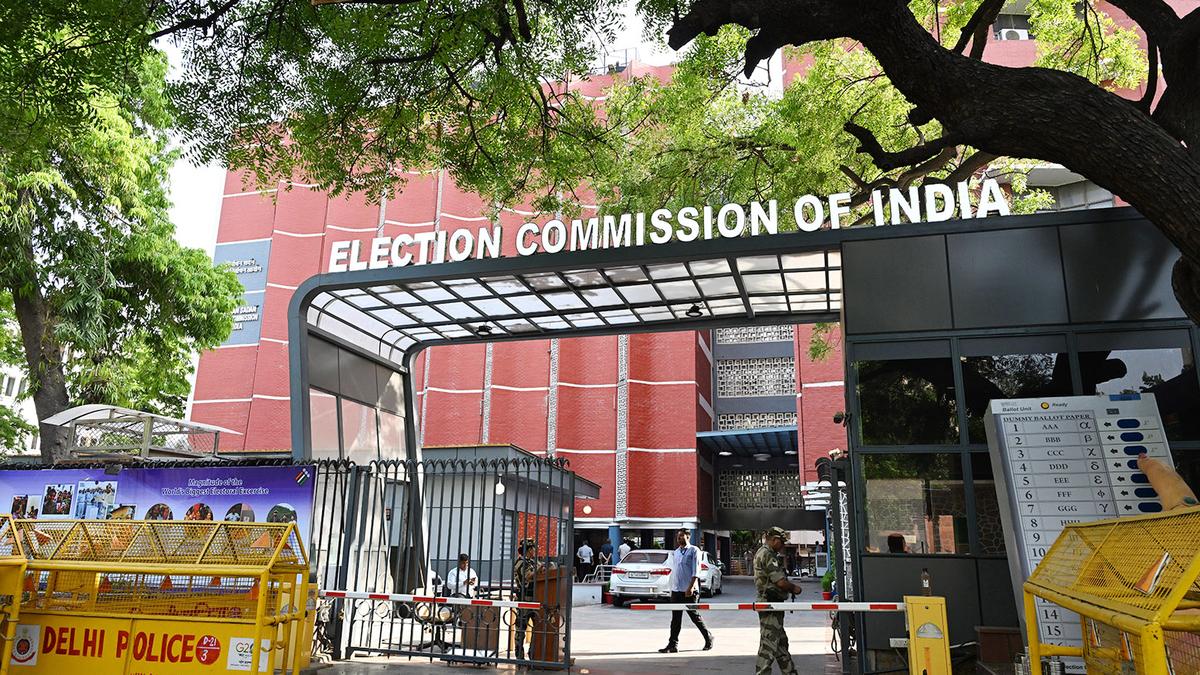
The protests follow a period of mounting friction between the opposition party and the election oversight body. Congress leaders have openly questioned the transparency and impartiality of the Election Commission of India under the stewardship of CEC Gyanesh Kumar. The rhetoric from party platforms has grown increasingly severe, with leaders making strong demands for accountability and warning of severe political consequences if systemic grievances are left unaddressed.
Party representatives argued that the integrity of democratic institutions is facing an unprecedented crisis, necessitating aggressive public mobilization. They asserted that peaceful dissent is being stifled through administrative overreach and heavy-handed policing, pointing to the detention of peaceful protesters and opposition lawmakers as evidence of shrinking democratic spaces.
Political Repercussions and Future Strategy
The coordinated protests mark a significant turning point in the opposition's strategy as they gear up for upcoming political battles. By focusing public attention on the Election Commission, the Congress party aims to build a broader coalition of opposition voices to pressure electoral authorities into greater transparency and structural reforms.
Political analysts note that these nationwide demonstrations could reshape the narrative around election oversight in the country, placing considerable pressure on constitutional bodies to defend their neutrality. As the political fallout from the recent detentions and clashes continues to unfold, opposition leaders have vowed to sustain their pressure campaign through legal, parliamentary, and grassroots mobilization efforts until their demands for a comprehensive review of electoral protocols are met.
How do you feel about this story?
Discussion
No comments yet. Be the first to share your thoughts.
Join the discussion
Sign in to share your thoughts on this story.