BNN Summary
The Aam Aadmi Party (AAP) has officially distanced itself from the INDIA opposition bloc, confirming its absence from a crucial meeting and unequivocally stating it will not form any future alliance with the Congress party. This development signals a significant fragmentation within the opposition's efforts to unite against the ruling dispensation, highlighting deep-seated state-level rivalries.
In-Depth Analysis
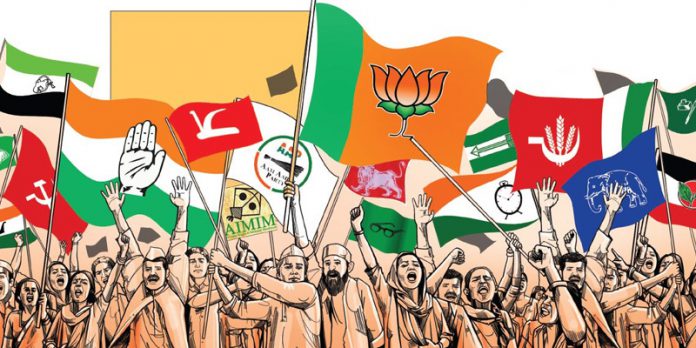
The Aam Aadmi Party (AAP) has definitively withdrawn from the INDIA opposition bloc, making its absence from Monday's pivotal meeting a clear indicator of its secession. This move further solidifies the political landscape by ruling out any future electoral alliance with the Congress party, a decision that carries substantial implications for the broader opposition unity in India. The AAP's stance underscores the deep-seated ideological and strategic rifts that have long simmered beneath the surface of the grand opposition coalition, threatening its efficacy against the incumbent government.
The genesis of the INDIA bloc, a collective formed with the ambitious goal of presenting a united front in upcoming elections, saw varied participation from regional parties. While AAP had, at times, been considered an informal or hesitant participant, its relationship with the Congress party – a dominant force within the bloc – has always been fraught with tension. This animosity is particularly acute in states like Delhi and Punjab, where both parties are direct political rivals, often locked in fierce electoral battles. In these crucial states, the political narratives and grassroots support bases of AAP and Congress frequently overlap and clash, making any genuine collaboration a formidable challenge.
AAP leaders have, in recent months, increasingly voiced their reservations about the practicality and sincerity of an alliance with Congress, especially concerning seat-sharing arrangements and campaign strategies in regions where they are primary competitors. The party's decision to skip the recent INDIA bloc meeting was not merely a symbolic gesture but a definitive statement, signaling a strategic re-evaluation of its national political trajectory. This decision suggests that AAP intends to carve its own path, prioritizing its distinct political agenda and state-specific strengths over the precarious unity offered by a broader, often fractious, coalition.
The implications of AAP's exit are multifaceted. For the INDIA bloc, it represents a significant blow to its aspirations of presenting a unified national alternative. AAP, with its robust organizational structure in key urban centers and a proven track record of electoral success in Delhi and Punjab, brings a considerable vote share and popular appeal. Its departure diminishes the bloc's overall strength and complicates the arithmetic of electoral contests in several crucial constituencies. The challenge for the remaining INDIA bloc constituents will now be to recalibrate their strategies and present a compelling narrative that can still resonate with voters across diverse regions, even without the inclusion of a significant regional player like AAP.
For AAP itself, this decision marks a definitive embrace of an independent political strategy. It allows the party to maintain its unique identity and avoid the complexities and compromises inherent in a multi-party alliance. This approach could appeal to its core voter base, which often views AAP as a distinct alternative to both the traditional national parties. However, it also means that AAP will have to contend with the electoral might of both the ruling party and the Congress independently, potentially splitting the opposition vote in contests where a consolidated front might have yielded better results. The coming months will reveal how AAP plans to navigate this independent course, whether through strengthening its presence in existing strongholds or by attempting to expand into new territories on its own merits.
The political landscape in India is characterized by dynamic alliances and shifting loyalties. AAP's firm decision to distance itself from the INDIA bloc and rule out a future alliance with Congress is a stark reminder of these complexities. It highlights the inherent difficulties in forging a cohesive national opposition when regional political imperatives and historical rivalries frequently override the collective goal of national unity. This development will undoubtedly reshape pre-election strategies and intensify political maneuvering across the country, as parties reassess their positions and prepare for future electoral challenges without a previously anticipated ally.
How do you feel about this story?