BNN Summary
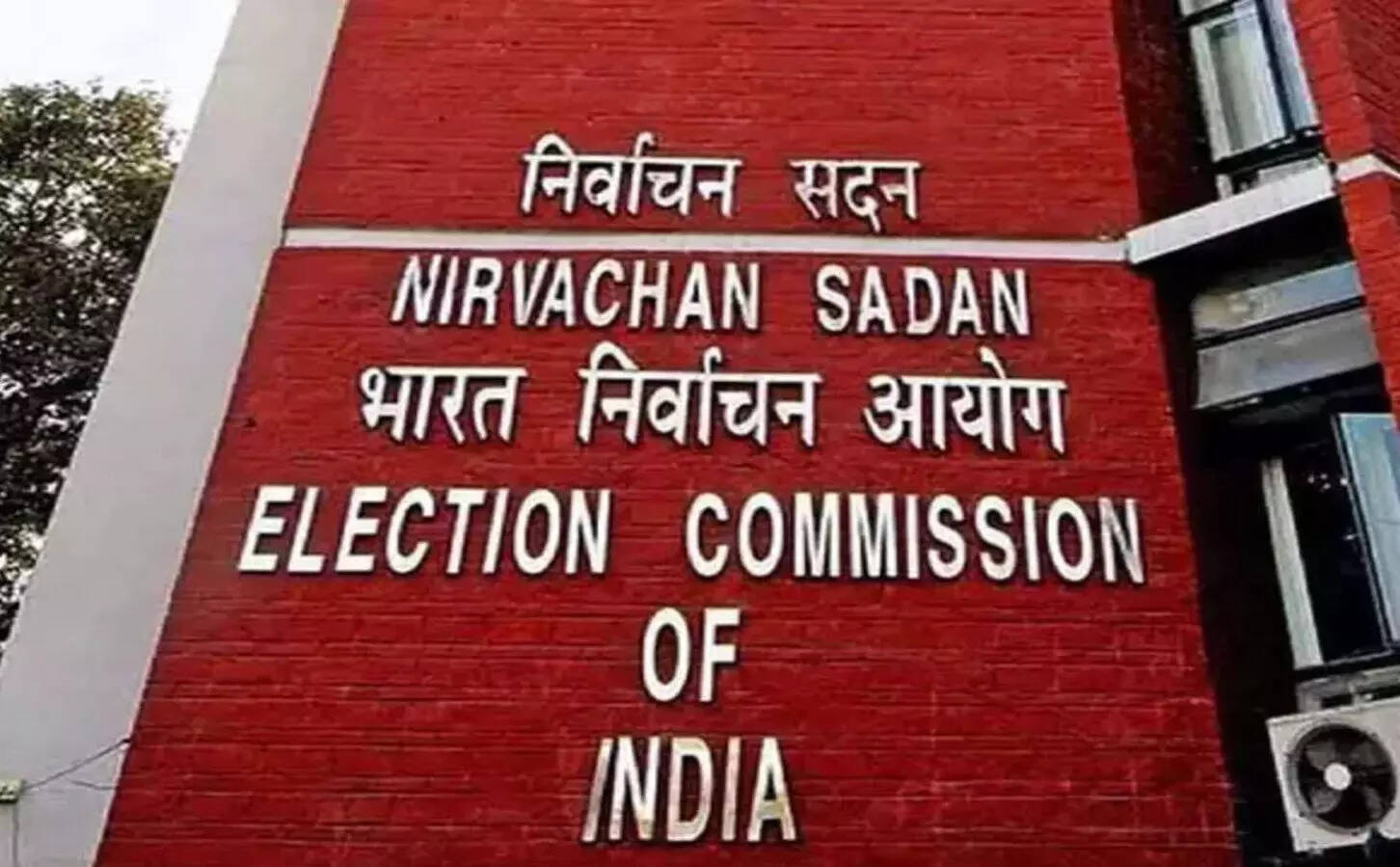
The Election Commission of India has announced biennial elections for eleven Rajya Sabha seats spanning Uttar Pradesh and Uttarakhand. With the ruling Bharatiya Janata Party poised to secure a commanding majority of the available seats in India's most populous state, intense political speculation has emerged regarding whether the saffron party will accommodate opposition figures or leave space for the Bahujan Samaj Party.
In-Depth Analysis
The political corridors of Lucknow and New Delhi are currently abuzz with intense calculations following the official announcement by the Election Commission of India regarding the upcoming biennial polls. The electoral schedule has been set for October 16, targeting a total of eleven Rajya Sabha seats across the northern states of Uttar Pradesh and Uttarakhand. Among these, the lion's share belongs to Uttar Pradesh, where multiple vacancies have opened up due to the completion of the tenures of incumbent members.
For the ruling Bharatiya Janata Party, which holds a formidable numerical advantage in the Uttar Pradesh Legislative Assembly, this election represents a strategic opportunity to further consolidate its legislative strength in the Upper House of Parliament. Current seat-sharing arithmetic and party strength in the state assembly strongly indicate that the BJP is comfortably positioned to secure up to eight of the ten seats up for grabs in Uttar Pradesh. This overwhelming dominance has triggered widespread discussions among political analysts and party insiders regarding how the leadership plans to distribute these nominations.
The central question captivating political observers is whether the BJP leadership will utilize its surplus numbers to accommodate figures from outside the party fold, or specifically if it will make room for representatives from the Bahujan Samaj Party. The BSP, once a dominant force in Uttar Pradesh politics under the leadership of Mayawati, has witnessed a steady decline in its electoral footprint over recent assembly and parliamentary election cycles. With its drastically reduced strength in the state assembly, the BSP mathematically lacks the necessary numbers on its own to send a single member to the Rajya Sabha.
Political analysts are examining various scenarios to determine if an unspoken understanding or tactical maneuvering might come into play. Historically, larger political parties have occasionally allowed cross-voting or leveraged surplus votes to achieve specific political objectives, shape broader regional alliances, or influence community equations ahead of future local elections. However, expanding a helping hand to the BSP would mark a significant tactical shift, given the fierce electoral rivalry that has historically characterized Uttar Pradesh politics.
Opposing parties are also formulating their strategies. The Samajwadi Party, serving as the principal opposition force in the state assembly, is expected to secure a definite number of seats based on its current MLA strength. Party leaders are closely monitoring the BJP's moves, aware that any unexpected tactical adjustments could alter the legislative dynamics in the Upper House. Meanwhile, smaller regional outfits and independent legislators find themselves courted by various camps, heightening the competitive atmosphere as the October 16 polling date draws closer.
As party headquarters finalize their lists of potential candidates, intense lobbying is underway behind closed doors. The final outcome of these Rajya Sabha polls will not only reshape the representation of Uttar Pradesh in national parliament but will also offer crucial insights into the evolving strategies of major political formations as they navigate the complex socio-political landscape of India's political heartland.
How do you feel about this story?
Discussion
No comments yet. Be the first to share your thoughts.
Join the discussion
Sign in to share your thoughts on this story.