BNN Summary
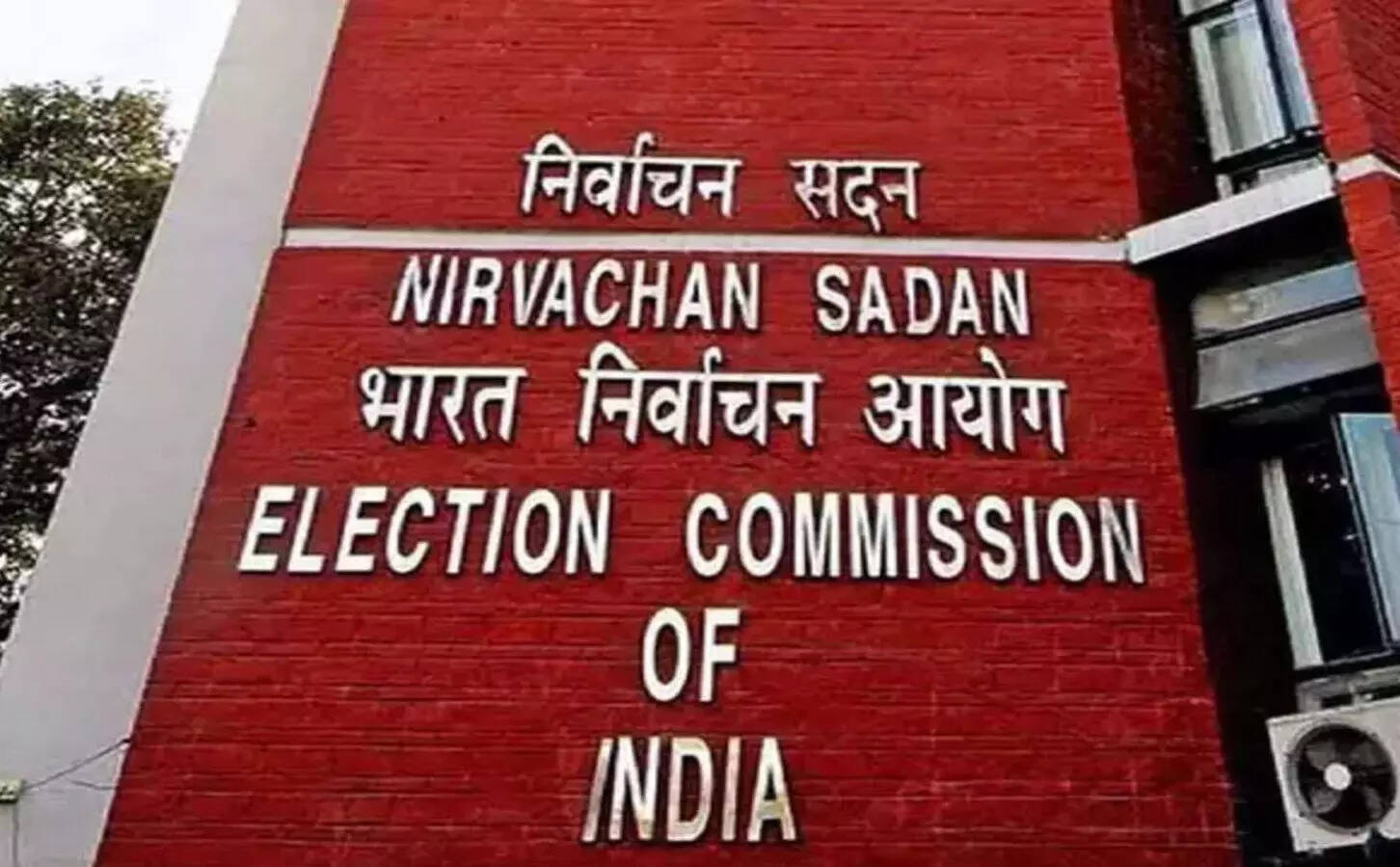
In a significant split verdict, the Supreme Court delivered contrasting views on the appointment process of Election Commissioners. Justice Dipankar Datta emphasized that the Election Commission of India must not only maintain actual independence but also be perceived as acting independently, noting that the Leader of the Opposition is currently reduced to an ornamental role in the selection panel.
In-Depth Analysis
The Supreme Court of India recently delivered a notable split verdict regarding petitions that challenged the statutory mechanism governing the appointment of Election Commissioners. The legal proceedings brought to light intense judicial scrutiny over the institutional autonomy of the Election Commission of India (ECI), a cornerstone institution tasked with ensuring free and fair democratic exercises across the nation. During the proceedings, members of the bench deliberated extensively on the nuances of executive influence, transparency, and the legislative framework established for filling vacancies within the poll panel.
Justice Dipankar Datta, in his detailed opinion within the split verdict, articulated critical observations regarding the structure of the selection committee. He explicitly highlighted that the Leader of the Opposition (LoP) has been relegated to a largely ornamental role under the current statutory setup. According to Justice Datta, true democratic health and public confidence in constitutional bodies require robust checks and balances. He stressed that the poll watchdog must not only function with absolute independence from executive pressure but must also manifestly be seen by the public to act with complete neutrality and independence.
The core of the legal challenge centered around whether the legislative changes enacted by Parliament adequately protected the institutional integrity of the electoral body or if they tilted the balance of power heavily in favor of the executive branch. Petitioners argued that a panel dominated by executive appointees compromises the perception of fairness, especially during high-stakes general and state assembly elections. The respondents, conversely, maintained that Parliament possesses the legislative competence to frame rules and procedures for statutory appointments, and that the judiciary ought to exercise judicial restraint in second-guessing legislative wisdom in administrative matters.
Legal experts and constitutional scholars have closely analyzed the ramifications of this judicial divergence. While a split verdict means that the immediate legal questions referred to the bench await a definitive, binding resolution by a larger bench or further judicial clarification, the observations made by the judges have reignited a nationwide discourse on institutional governance. The debate touches upon fundamental questions of how independent regulators and constitutional authorities should be structured to withstand shifting political landscapes and maintain the unshakeable trust of the electorate.
As the legal community anticipates the next steps in this high-profile constitutional litigation, civil society organizations and political analysts continue to debate the ideal balance of power in appointing arbiters of Indian democracy. The insistence by the judiciary that institutions like the ECI must embody both actual independence and visible impartiality serves as a vital reminder of the high standards expected from guardians of democratic integrity. Further developments in the Supreme Court are expected to shape the future trajectory of appointment processes for key regulatory bodies in India, setting crucial precedents for administrative law and constitutional jurisprudence.
How do you feel about this story?
Discussion
No comments yet. Be the first to share your thoughts.
Join the discussion
Sign in to share your thoughts on this story.