BNN Summary
Major opposition leaders including Rahul Gandhi and Arvind Kejriwal have launched a scathing attack on the Modi government and Election Commission officials following reports of internal dissent within the poll panel. Opposition figures are demanding strict accountability, immediate removal of key officials, and fresh polling in several states over alleged irregularities.
In-Depth Analysis
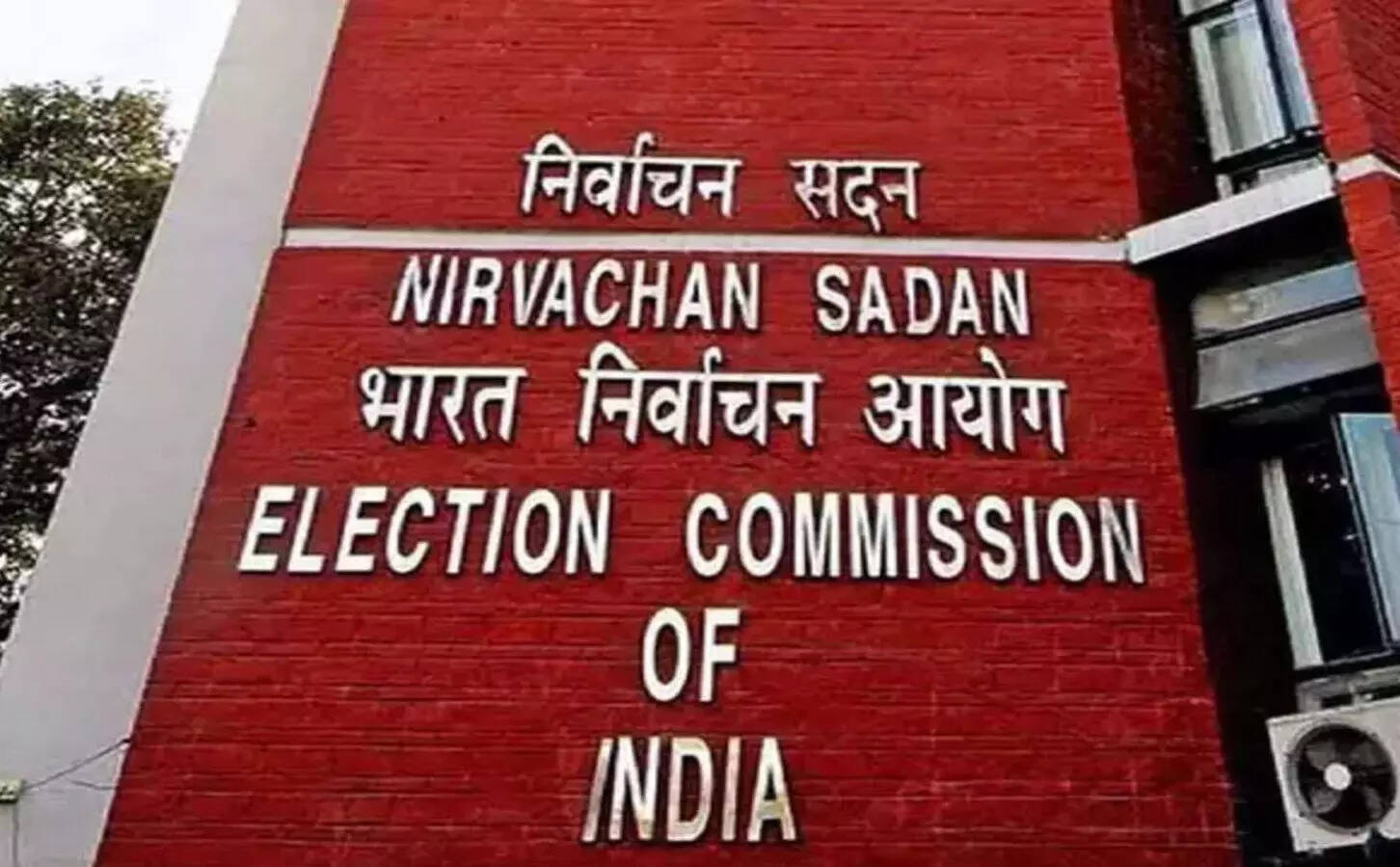
The political landscape in India has witnessed a massive upheaval following explosive media reports concerning alleged internal dissent within the Election Commission of India. Prominent opposition leaders, spearheaded by Congress leader Rahul Gandhi and Aam Aadmi Party convenor Arvind Kejriwal, have launched an all-out assault against the administration and top election officials. The controversy has ignited a fierce national debate regarding the autonomy, transparency, and integrity of constitutional bodies responsible for conducting democratic exercises in the country.
According to recent investigative reports, serious differences emerged within the poll panel regarding the handling of electoral processes and scrutiny of voting procedures. Seizing upon these disclosures, opposition parties have ratcheted up their rhetoric, branding the developments as a monumental breach of public trust and accusing the ruling administration of undermining independent institutions. Senior leaders took to various public platforms and press briefings to voice their deep concerns, terming the situation an unprecedented crisis for Indian democracy.
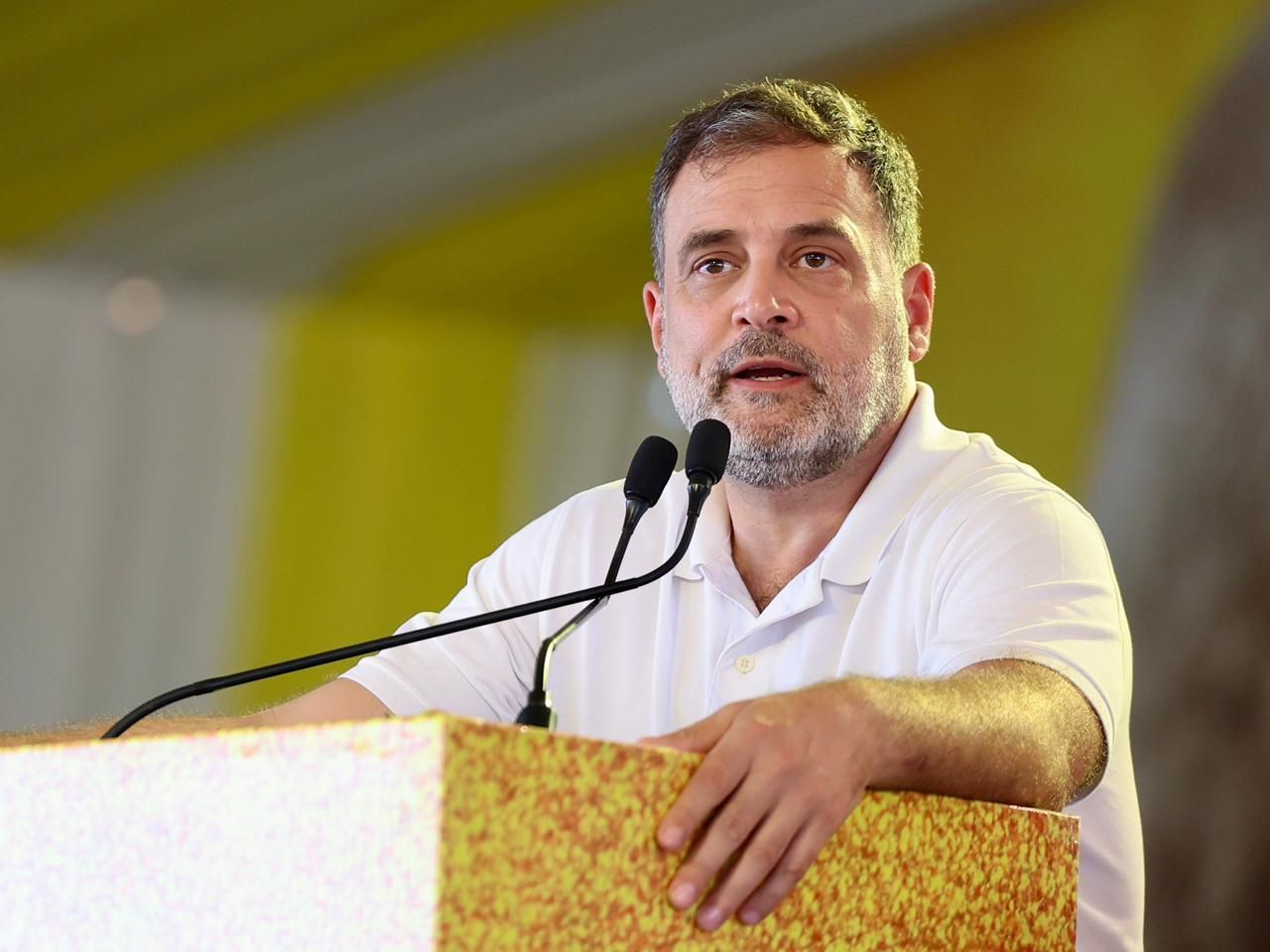
Rahul Gandhi, addressing the media during a high-profile press conference, did not mince words while criticizing the current dispensation. He characterized the alleged events within the election watchdog as a grave assault on the constitutional framework, going as far as describing the situation using severe terminology related to betrayal of national interests. The Congress leader argued that citizens deserve absolute transparency and that any attempt to compromise the electoral machinery strikes at the very heart of democratic governance. He demanded a comprehensive and impartial judicial investigation into the workings of the poll panel to uncover the truth behind the reported dissent.
Similarly, Delhi Chief Minister and AAP national convener Arvind Kejriwal added fuel to the political fire by demanding the immediate sacking and legal prosecution of Chief Election Commissioner Gyanesh Kumar and other responsible officials. Kejriwal alleged that the discrepancies point toward a deeply orchestrated conspiracy to manipulate outcomes in favor of the ruling coalition. Echoing similar sentiments, leaders from various other regional and national opposition parties have united under a common banner, calling for drastic accountability measures.
The demands from the opposition alliance extend far beyond mere resignations and inquiries. Several regional satraps have formally petitioned for sweeping corrective actions, including comprehensive repolls in crucial states such as Maharashtra, Tamil Nadu, and West Bengal. They argue that the integrity of the mandate in these regions was severely compromised due to administrative failures and partisan interventions. These demands have added immense pressure on the central government, which is now facing difficult questions from both the opposition benches and civil society organizations.
Political analysts note that this controversy marks one of the most intense confrontations between the political opposition and election authorities in recent years. While the ruling administration has yet to issue a detailed formal rebuttal addressing every specific allegation raised by the opposition leaders, government sympathizers have consistently defended the independence of statutory institutions. They have accused the opposition of deliberately manufacturing controversies and casting unwarranted aspersion on hardworking civil servants for political mileage.
As the political storm continues to gather momentum, civil rights groups and constitutional experts have urged all stakeholders to maintain restraint while demanding greater institutional transparency. The ongoing feud highlights the fragile balance of power between executive authority and independent watchdogs in the world's largest democracy. With parliament sessions approaching and regional political campaigns heating up, this confrontation over the Election Commission is expected to remain at the forefront of national discourse for weeks to come, shaping the political narratives of upcoming electoral battles across the country.
How do you feel about this story?
Discussion
No comments yet. Be the first to share your thoughts.
Join the discussion
Sign in to share your thoughts on this story.