BNN Summary
The Election Commission has announced Rajya Sabha elections for twelve vacant seats across Uttar Pradesh, Uttarakhand, and West Bengal, scheduled for October 16. Intensive political maneuvering is anticipated, particularly for the fiercely contested tenth seat in Uttar Pradesh.
In-Depth Analysis
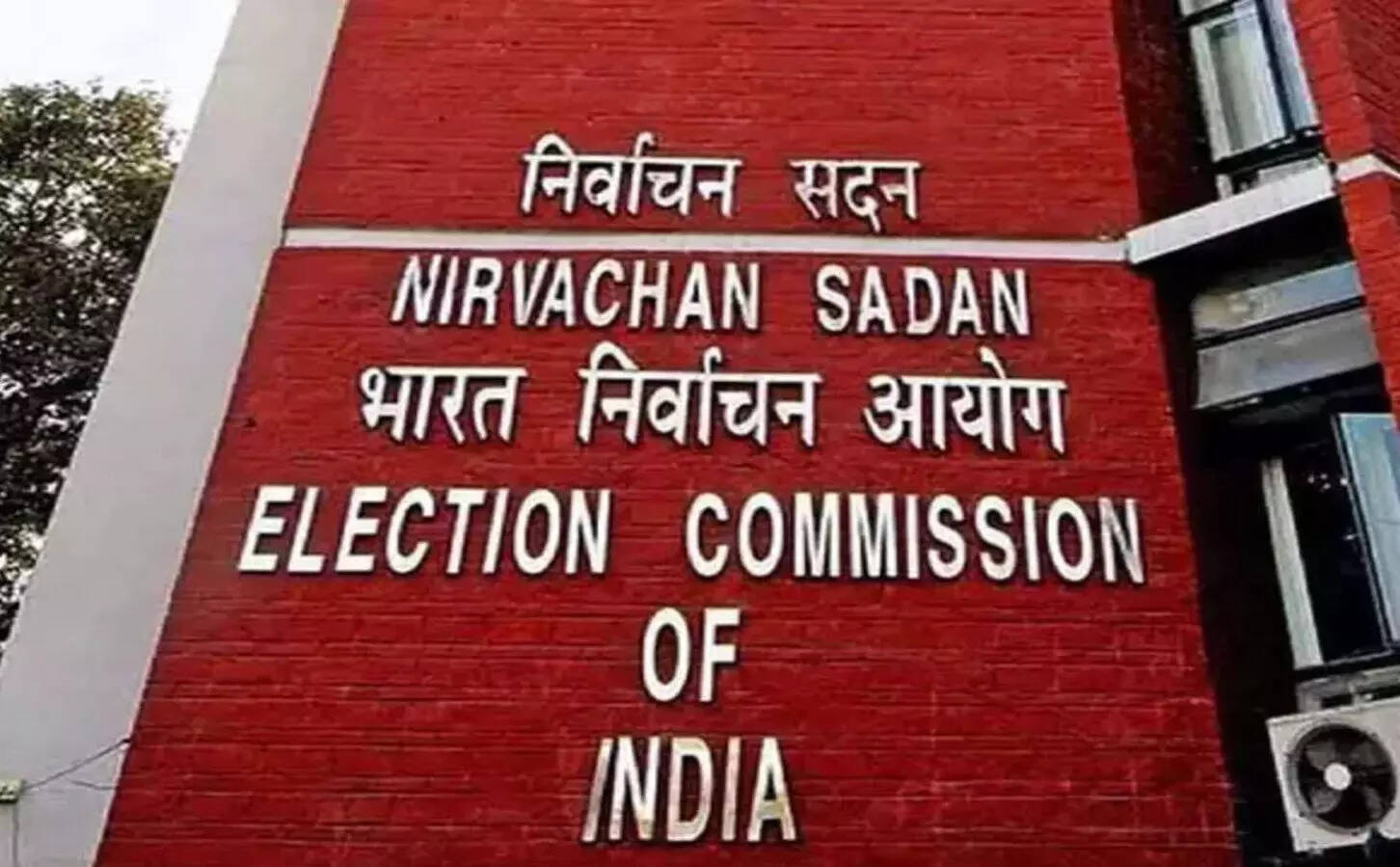
The Election Commission of India has officially announced the schedule for Rajya Sabha elections to fill twelve vacant seats spread across three major states: Uttar Pradesh, Uttarakhand, and West Bengal. The high-stakes polls are scheduled to take place on October 16, setting the stage for intense political activity and strategic maneuvering among major political parties.
Out of the twelve vacant seats up for grabs, the lion's share belongs to the politically crucial state of Uttar Pradesh, which accounts for ten seats. Uttarakhand and West Bengal will elect one member each to the upper house of Parliament. Given the numerical strength of various parties in the respective state assemblies, the elections in Uttar Pradesh are expected to garner the most attention, especially with political observers keeping a close eye on the battle for the tenth seat.
The notification for the elections will be officially issued, marking the commencement of the nomination process. Candidates will be able to file their nomination papers, and scrutiny of these documents will follow shortly thereafter. The last date for the withdrawal of candidatures will pave the way for the final list of contenders contesting the upper house berths.
In Uttar Pradesh, the ruling dispensation and the primary opposition parties are already engaged in hectic behind-the-scenes negotiations and numbers auditing. While the major parties are comfortably placed to secure a specific number of seats based on their strength in the state legislative assembly, the arithmetic surrounding the tenth seat has triggered widespread speculation. Securing the tenth seat will require deft floor management, cross-voting prevention, and potential alignments with smaller regional parties or independent legislators.
Political parties in West Bengal and Uttarakhand are similarly gearing up for the polls. In West Bengal, the ruling regional party holds a commanding majority in the state assembly, making the outcome of the single vacant seat largely predictable. However, the nomination process remains a matter of significant internal party interest as leadership weighs various candidates for national representation.
Similarly, in Uttarakhand, the ruling party holds a comfortable majority in the legislative assembly, ensuring a smooth path for their chosen candidate to the upper house of Parliament. Nonetheless, party high commands across the board are utilizing this electoral window to reward loyalists, accommodate senior leaders, or bring domain experts into the parliamentary arena.
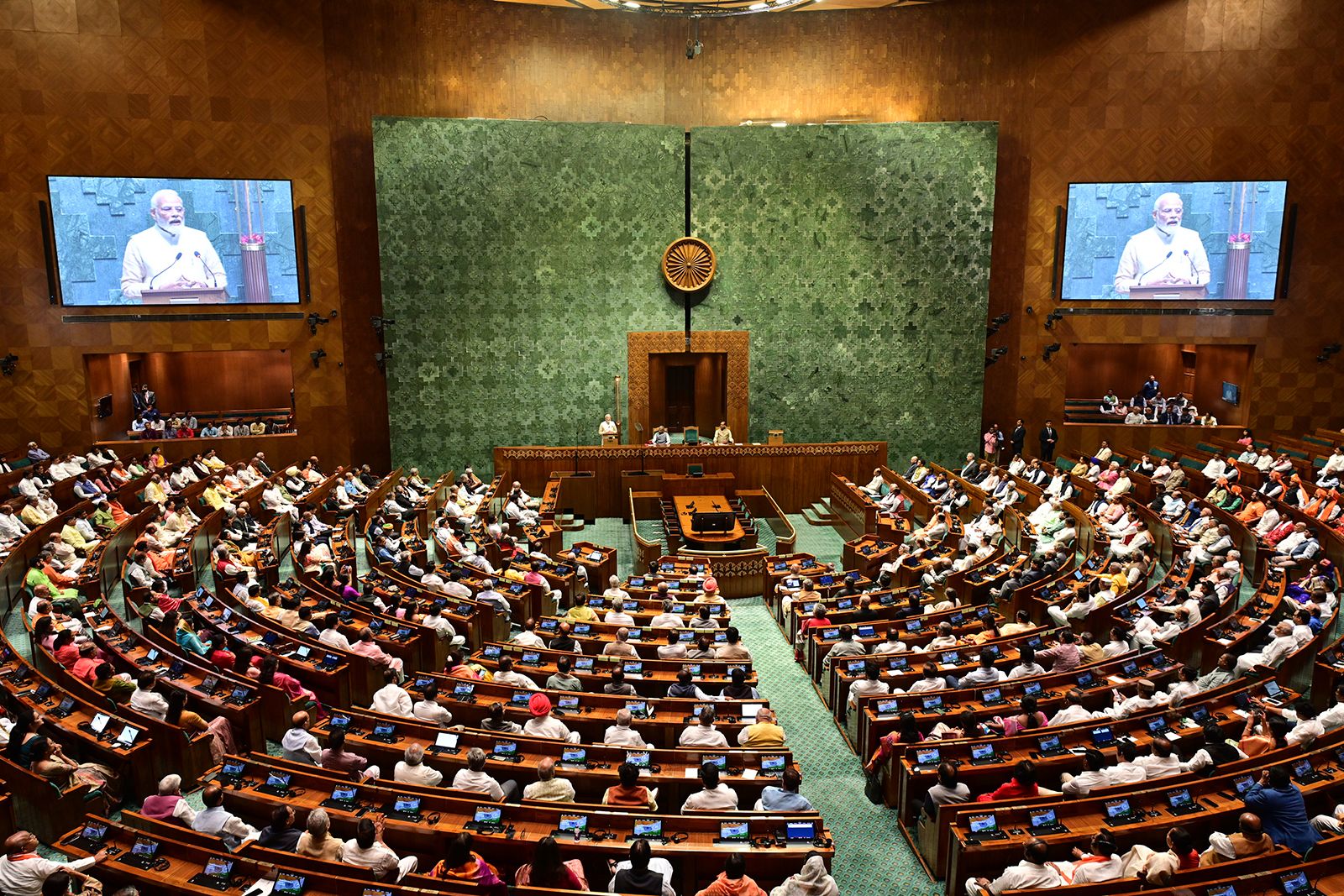
The Rajya Sabha, or the Council of States, plays a vital legislative role as the federal chamber of Parliament, representing the interests of the states and union territories. Members of the upper house are elected by the elected members of the state legislative assemblies through a system of proportional representation by means of the single transferable vote.
As the October 16 polling date approaches, election machinery in Uttar Pradesh, Uttarakhand, and West Bengal has been put on high alert to ensure free, fair, and transparent proceedings. Strict adherence to the model code of conduct and electoral guidelines will be enforced across all three state capitals where voting will take place. The results are expected to be declared on the evening of the polling day itself, following the conclusion of counting.
How do you feel about this story?
Discussion
No comments yet. Be the first to share your thoughts.
Join the discussion
Sign in to share your thoughts on this story.