BNN Summary
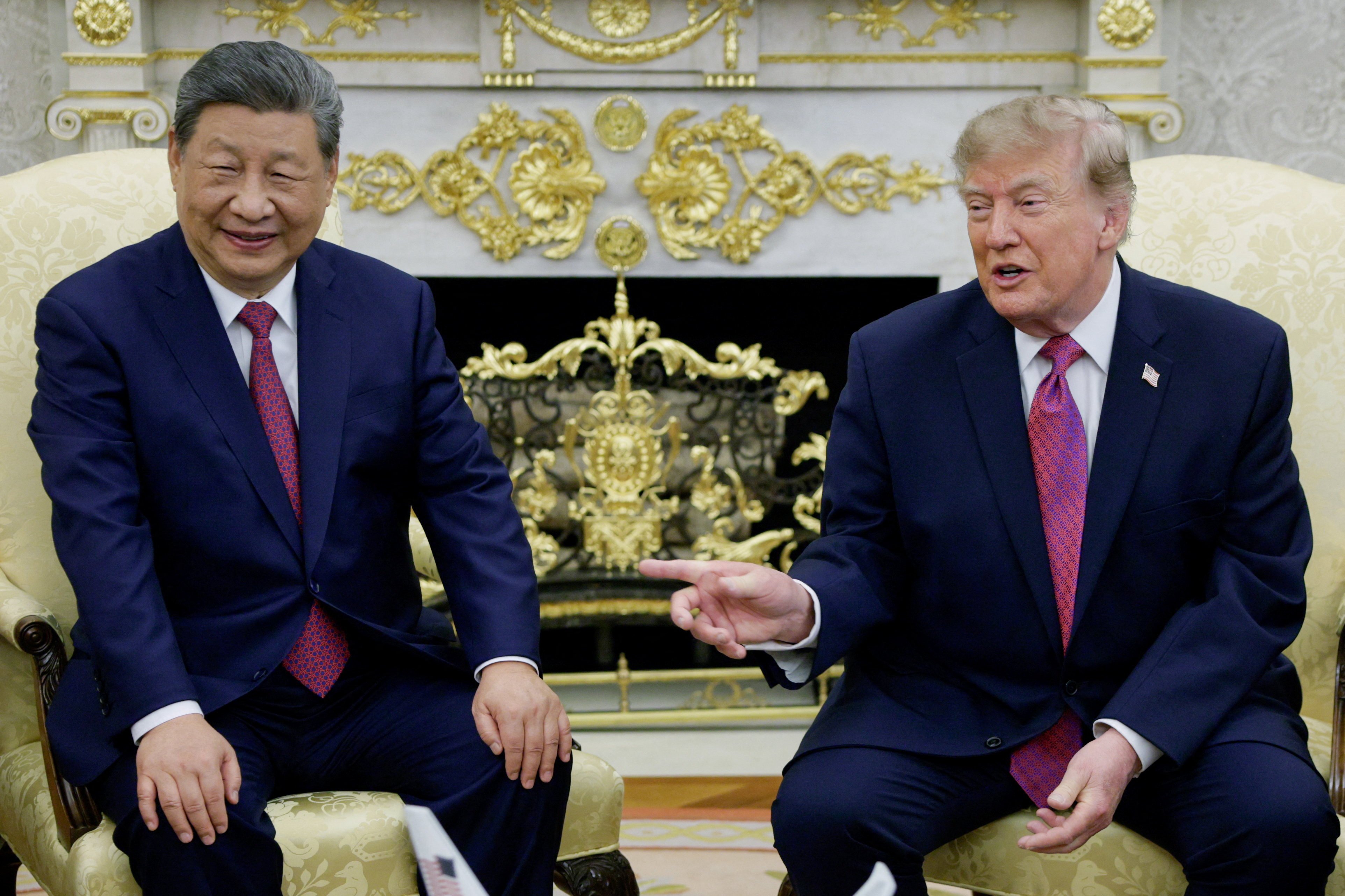
According to the United States ambassador, former US leader Donald Trump once asked Chinese President Xi Jinping whether Beijing would be interested in purchasing American military equipment. The diplomatic disclosure sheds light on unusual bilateral discussions during the prior administration, highlighting an unconventional approach to trade, defense, and international relations between the two global economic superpowers.
In-Depth Analysis
Recent diplomatic disclosures have brought to light a fascinating and unorthodox exchange between former United States President Donald Trump and Chinese President Xi Jinping. According to remarks made by the American ambassador, Donald Trump directly asked the Chinese leader if Beijing had any interest in purchasing advanced American military hardware and weapons systems. This remarkable diplomatic anecdote offers a rare glimpse into the behind-the-scenes negotiations and unconventional conversational style that characterized the Trump administration's foreign policy approach toward Beijing.
Unconventional Diplomacy on the Global Stage
Throughout his presidency, Donald Trump frequently approached international relations through the lens of business, trade deficits, and commercial transactions. Rather than adhering strictly to traditional diplomatic protocols and long-standing strategic boundaries, Trump often introduced commercial concepts into high-stakes geopolitical discussions. The revelation that he pitched American arms sales to China exemplifies this unique negotiating strategy.
China and the United States maintain a complex and multifaceted relationship defined by both deep economic interdependence and fierce strategic competition. While Washington has historically restricted the sale of sensitive military technology to Beijing due to human rights concerns and regional security issues in the Indo-Pacific, the former president's inquiry underscored his persistent focus on reducing trade imbalances through major export deals.
Strategic Implications and Regional Security
Experts note that any potential sale of American defense equipment to China would have faced insurmountable hurdles in Washington, including stringent legislative oversight by the United States Congress. Current American laws severely limit defense technology transfers to rival nations to safeguard national security interests and protect sensitive military innovations. Furthermore, close allies of the United States in the Asia-Pacific region, such as Taiwan, Japan, and South Korea, would likely have expressed deep apprehension regarding any defense-related cooperation between Washington and Beijing.
Despite the improbability of such a deal ever coming to fruition, the anecdote highlights the unpredictable nature of bilateral communications during the Trump presidency. Observers of international politics continue to analyze how such direct, transactional propositions influenced the broader trajectory of US-China relations, which eventually saw escalating trade tariffs, technological decoupling, and heightened diplomatic friction across multiple fronts.
Ongoing Diplomatic Ramifications
As diplomatic historians and researchers continue to dissect the foreign policy decisions of the Trump era, stories like this emphasize the stark contrast between traditional bureaucratic diplomacy and Trump's direct, personal engagement style. While the inquiry into Chinese arms purchases may never have translated into formal policy proposals or concrete agreements, it remains a notable footnote in the complicated history of modern superpower diplomacy.
How do you feel about this story?
Discussion
No comments yet. Be the first to share your thoughts.
Join the discussion
Sign in to share your thoughts on this story.