BNN Summary
An examination of United Nations Security Council Resolution 1244 following recent international sessions, exploring whether diplomatic dialogue can address complex geopolitical realities shaped by the historical use of force in the Balkans.
In-Depth Analysis
The global diplomatic landscape continues to grapple with the enduring legacy of international interventions and territorial disputes, bringing renewed focus to foundational legal frameworks such as United Nations Security Council Resolution 1244. Adopted in the wake of the 1999 Kosovo conflict, this resolution has long served as the cornerstone for international civil and security presence in the region. However, decades after its enactment, questions persist regarding its practical implementation, its current relevance, and whether ongoing international dialogue can bridge deeply polarized political positions.
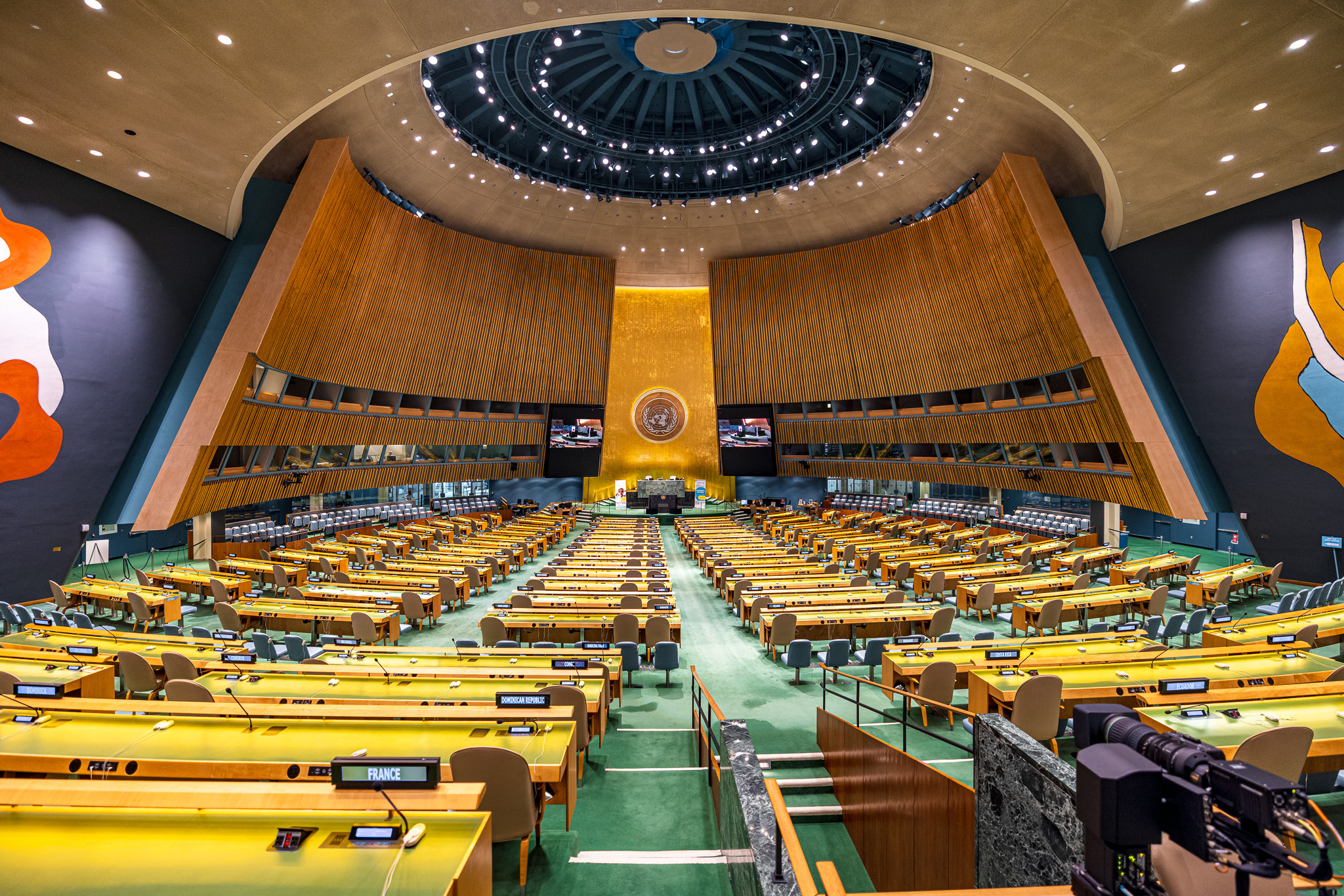
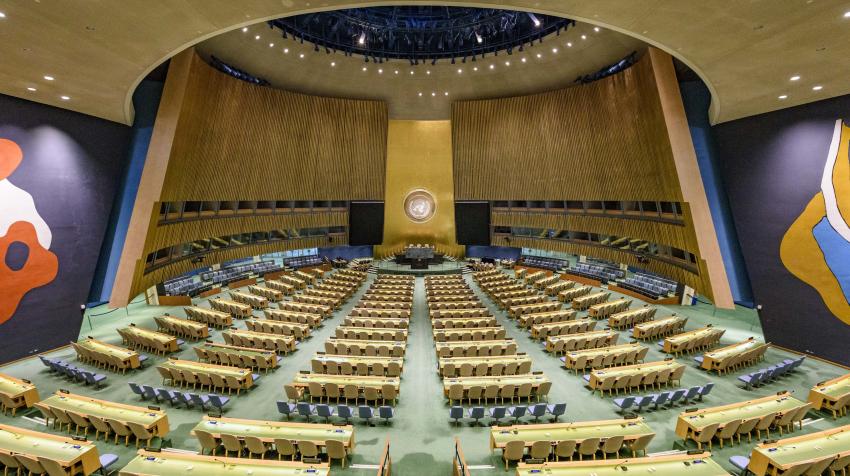
During recent high-level diplomatic engagements at the United Nations, member states revisited the complexities surrounding the status of Kosovo and the broader stability of the Western Balkans. Analysts point out that while Resolution 1244 officially reaffirms the sovereignty and territorial integrity of the former Yugoslavia and its successors, subsequent geopolitical developments, including the unilateral declaration of independence by Pristina and its recognition by numerous Western nations, have created a radically different ground reality. This divergence between international legal texts and on-the-ground political changes forms the crux of ongoing tensions.
Diplomatic observers emphasize that the core dilemma lies in reconciling mutually exclusive objectives. On one side, Belgrade insists on the strict adherence to Resolution 1244, viewing it as an indispensable safeguard of its territorial rights and international law. On the other side, authorities in Pristina operate under the premise of statehood, arguing that the historical context of 1999 rendered the previous governance structures obsolete. These contrasting viewpoints have frequently stalled EU-facilitated dialogue, turning normalization talks into a delicate balancing act of managing disputes rather than achieving a comprehensive final settlement.
The international community, meanwhile, faces mounting pressure to prevent renewed volatility in the region. European Union mediators and United States officials have consistently urged both sides to implement previously reached agreements, such as the formation of the Association of Municipalities with a Serbian Majority. Yet, progress remains slow, hampered by domestic political pressures and a lack of mutual trust. Experts note that without a renewed commitment to constructive engagement, the region risks remaining in a prolonged state of diplomatic limbo.
As the international community reflects on the outcomes of recent UN sessions, the central question remains whether diplomacy can successfully repair or navigate the realities established by past conflicts. While the politics of force undeniably reshaped the territorial contours of the Balkans, current geopolitical realities suggest that sustainable stability cannot be achieved through unilateral measures alone. Instead, international actors stress that meaningful compromise, adherence to international frameworks, and genuine political will are essential prerequisites for a peaceful and prosperous future in Southeast Europe.
How do you feel about this story?
Discussion
No comments yet. Be the first to share your thoughts.
Join the discussion
Sign in to share your thoughts on this story.