BNN Summary
Speakers at the United Nations frequently turn to ancient wisdom, contemporary literary greats, and unexpected musical references like Talking Heads to drive their diplomatic messages home on the global stage. These diverse quotations bridge cultural divides and highlight shared human challenges during high-level international debates.
In-Depth Analysis
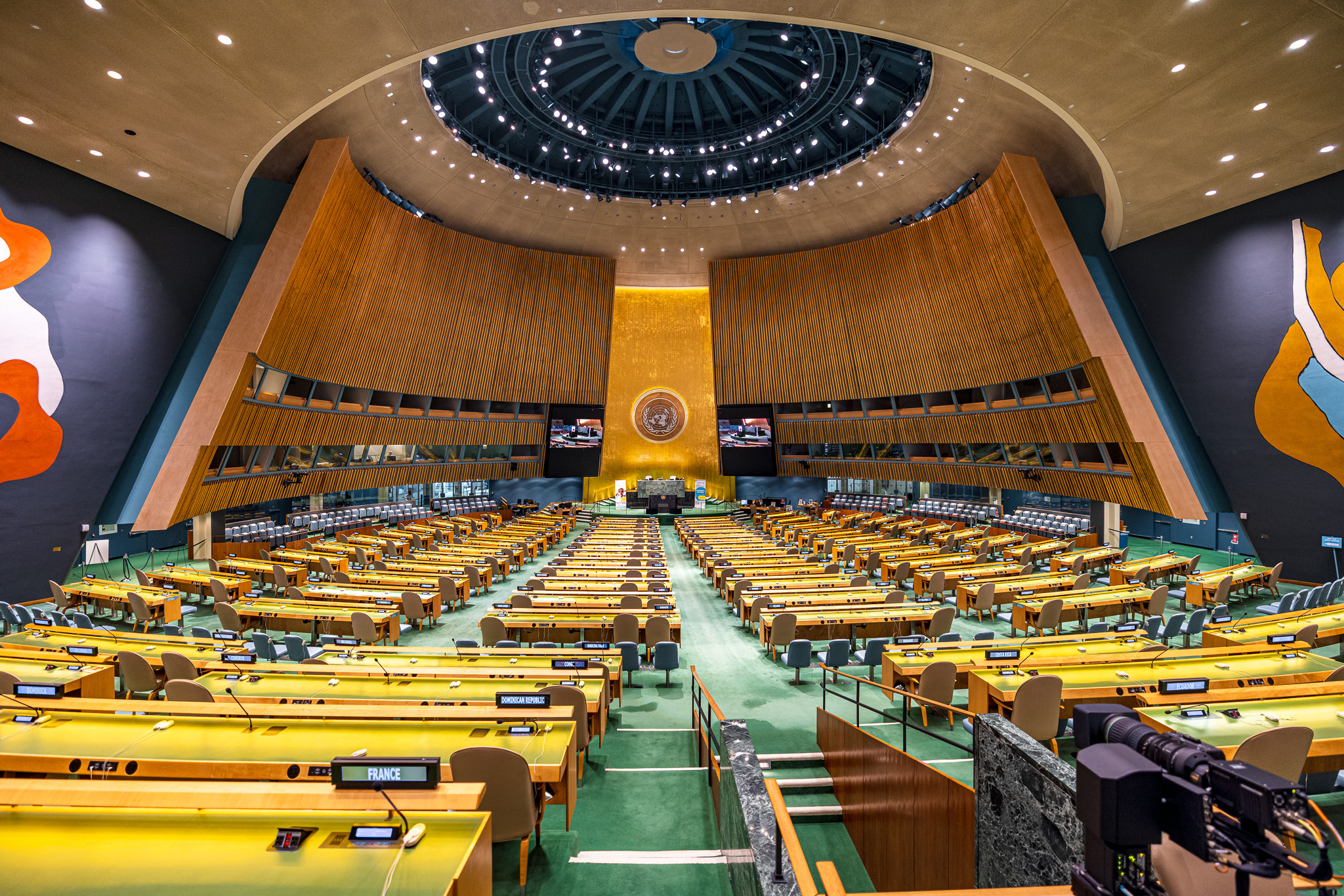
Global diplomacy at the United Nations often transcends rigid bureaucratic language, drawing instead upon a rich tapestry of literary history, philosophical traditions, and unexpected popular culture. When world leaders, diplomats, and international delegates take the podium at the UN General Assembly or specialized council meetings, their speeches frequently incorporate powerful quotes that bridge cultural divides and capture the urgency of modern geopolitical challenges.
From the foundational verses of ancient philosophical texts to the lyrics of modern rock bands like Talking Heads, speakers utilize these resonant phrases to crystallize complex policy debates into memorable, human-centric narratives. This widespread reliance on profound quotations highlights a shared rhetorical strategy: appealing to universal human values, historical continuity, and shared vulnerabilities to foster cooperation among member states.
The Appeal of Ancient Wisdom
Ancient texts remain a perennial favorite among diplomats seeking to ground contemporary crises in enduring truths. References to sacred scriptures, classical Greek philosophers, ancient Chinese strategists, and indigenous wisdom traditions are frequently deployed to address timeless issues such as peace, justice, poverty, and human rights. By invoking thinkers who lived centuries or millennia ago, speakers implicitly remind the global audience that current conflicts and aspirations are merely new chapters in the long narrative of human history.
For instance, delegates frequently cite classical notions of justice and stewardship when debating climate change and environmental degradation. These ancient frameworks provide a moral authority that pure economic or scientific arguments sometimes lack, elevating the debate from a matter of state self-interest to a collective ethical obligation.
Modern Greats and Literary Icons
In addition to ancient traditions, speeches at the United Nations regularly feature quotations from modern literary greats, civil rights leaders, and Nobel laureates. Figures such as Mahatma Gandhi, Martin Luther King Jr., Nelson Mandela, and various contemporary poets are frequently quoted to inspire hope and demand accountability from the international community.
These modern references often serve to personalize the suffering of populations affected by war, famine, or systemic inequality. By channeling the eloquent words of writers and activists, diplomats aim to awaken the collective conscience of world leaders, urging them to move beyond diplomatic platitudes and take decisive action.
Unexpected Musical and Cultural References
Perhaps most surprisingly, some delegates step outside traditional academic and historical boundaries to incorporate contemporary popular culture, including rock music and cinema. A notable example includes nods to iconic bands like Talking Heads, whose lyrics about environmental crises or societal transformation offer an arresting, unconventional framing for urgent global crises.
These unexpected cultural touchstones inject a moment of levity or striking modern relevance into otherwise dense, technical diplomatic sessions. They demonstrate that international diplomacy is not confined to ivory towers but is deeply connected to the pulse of global culture.
The Strategic Function of Rhetoric
Beyond their aesthetic appeal, the use of diverse quotations serves a distinct diplomatic function. In a setting characterized by deep geopolitical divisions, language can easily become a barrier. Well-chosen quotes act as universal diplomatic tools that resonate across linguistic and ideological lines, helping speakers build consensus and connect with diverse audiences.
Ultimately, whether drawing from ancient scrolls or modern pop culture, UN speakers continue to leverage the power of shared human expression to remind the world of its interconnected destiny.
How do you feel about this story?
Discussion
No comments yet. Be the first to share your thoughts.
Join the discussion
Sign in to share your thoughts on this story.