BNN Summary
Russia has strongly reiterated its support for India's inclusion as a permanent member of the United Nations Security Council. During the ongoing global diplomatic sessions, Moscow emphasized New Delhi's vital role in international affairs while simultaneously expressing reservations about expanding Western representation.
In-Depth Analysis
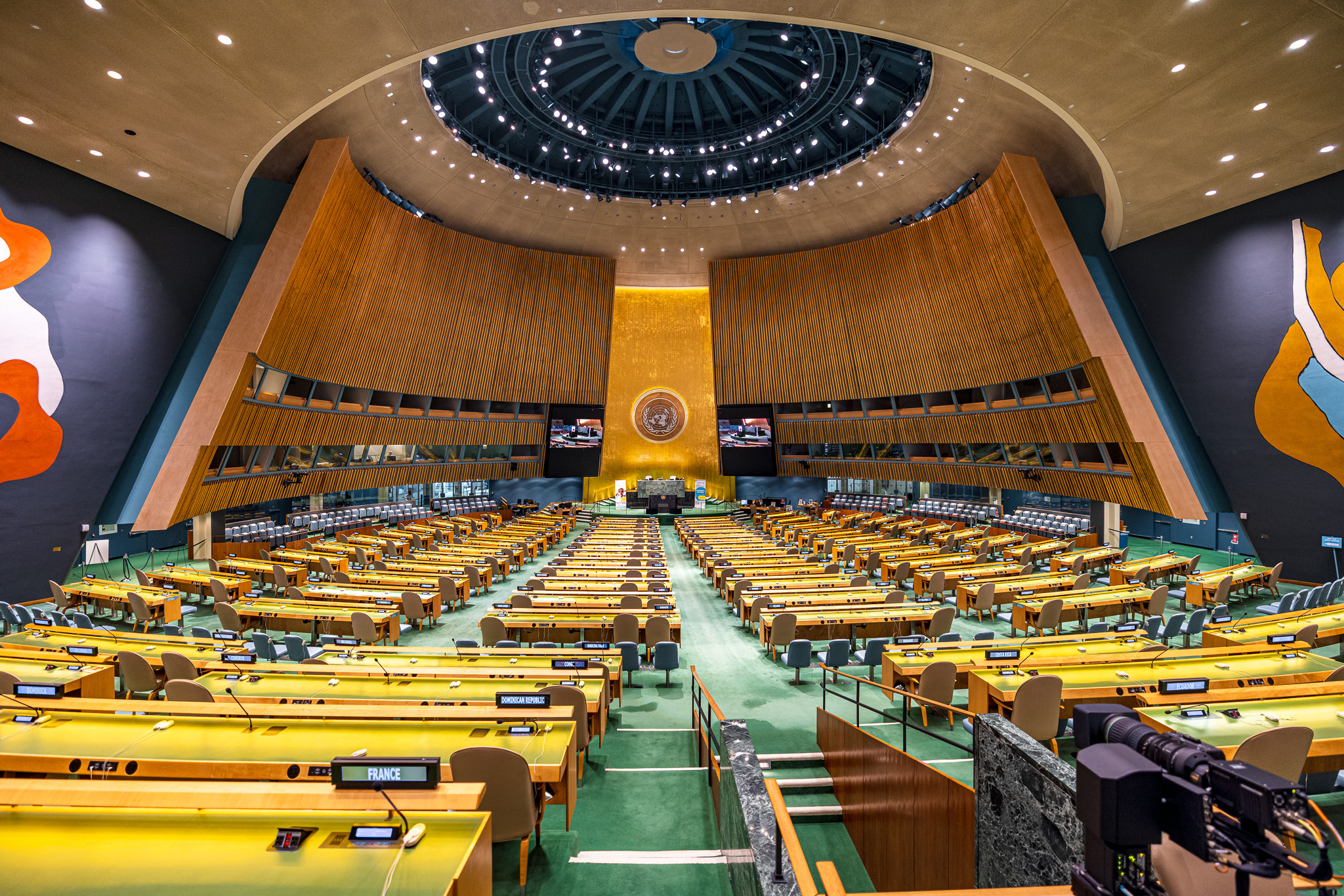
Russia has once again reaffirmed its staunch support for India's long-standing bid to secure a permanent seat at the United Nations Security Council (UNSC). This decisive diplomatic endorsement was highlighted during high-level discussions at the United Nations General Assembly, where Moscow underscored New Delhi's rising economic, political, and strategic weight on the global stage.
Speaking on the margins of the international summit, senior Russian officials noted that India represents a vital pillar of the emerging multipolar world order. Moscow argued that any meaningful reform of the United Nations Security Council must rectify the historical underrepresentation of developing nations from the Global South. Given its massive population, robust democratic institutions, and consistent contributions to international peace and security through United Nations peacekeeping missions, India stands out as an indispensable candidate for permanent membership.
However, Russia's diplomatic stance also brought to light deeper geopolitical divisions surrounding the broader debate on UNSC reforms. While endorsing India, Moscow firmly opposed the inclusion of certain Western-aligned nations, specifically pointing to countries like Germany and Japan. Russian diplomats argued that adding more Western allies to the high table of the Security Council would merely duplicate existing geopolitical biases and fail to bring genuine diversity or balance to the apex decision-making body of the United Nations.
The debate over UNSC restructuring has persisted for decades, with the current permanent membership frozen in a post-World War II power dynamic comprising the United States, the United Kingdom, France, Russia, and China—collectively known as the P5. Critics of the current framework argue that the P5 structure is outdated and fails to reflect contemporary geopolitical realities, leaving major powerhouses across Asia, Africa, and Latin America without a permanent voice in global security matters.
India has continuously pressed for urgent reforms, warning that an unrepresentative Security Council risks losing its legitimacy and effectiveness in resolving modern international conflicts. New Delhi has found common ground with several other nations, including the G4 bloc consisting of India, Brazil, Germany, and Japan, which mutually support each other's aspirations for permanent seats. Yet, diplomatic friction remains intense, particularly regarding regional rivalries and the inclusion of industrialized nations versus developing economies.
Russia's explicit backing serves as a significant diplomatic boost for New Delhi, reinforcing the deep-rooted strategic partnership between India and Russia. Despite shifting global alignments and mounting Western pressure regarding various international conflicts, Moscow and New Delhi have maintained a steady diplomatic dialogue, emphasizing mutual trust and cooperation in multilateral forums. As international pressure for UN reform mounts, Russia's position adds a critical layer to the complex negotiations shaping the future of global governance.
How do you feel about this story?
Discussion
No comments yet. Be the first to share your thoughts.
Join the discussion
Sign in to share your thoughts on this story.