BNN Summary
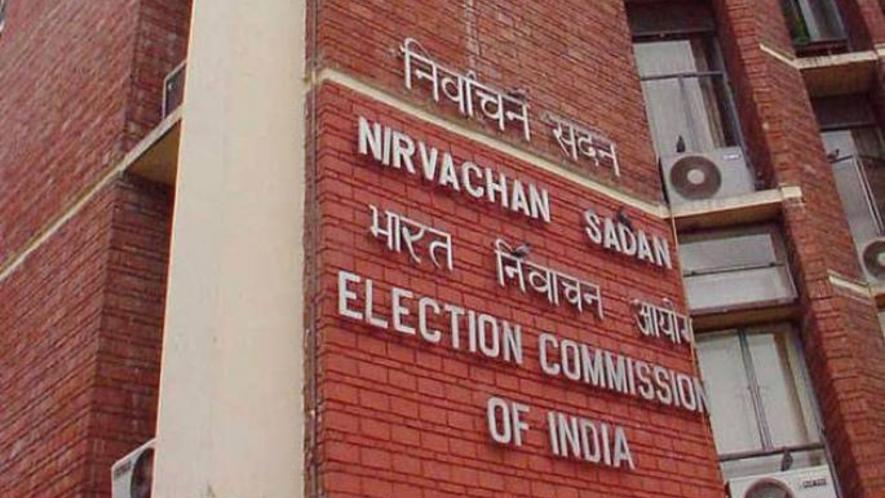
Senior political figures have strongly defended the Election Commission of India against recent opposition criticism regarding the appointment and role of the Chief Election Commissioner. Leaders emphasized that the electoral body functions with absolute clarity and constitutional integrity, dismissing claims of administrative confusion as politically motivated.
In-Depth Analysis
The political landscape in India has witnessed a fresh wave of debate following sharp exchanges between the ruling administration and opposition parties regarding the functioning of the Election Commission of India (ECI). Senior leaders from the ruling party have launched a robust defense of the constitutional body, asserting that there is no confusion whatsoever within the institution and that its administrative processes remain entirely transparent, impartial, and aligned with democratic values.
Addressing reporters and parliamentary proceedings, prominent political figures criticized the opposition for raising what they termed 'unfounded doubts' concerning the Chief Election Commissioner and the broader electoral machinery. The defense comes in the wake of mounting pressure from various opposition factions demanding greater scrutiny and procedural changes in how top electoral officials are appointed and how administrative decisions are executed.
Proponents of the ruling party argued that questioning the credibility of independent institutions like the ECI undermines the democratic fabric of the nation. They highlighted that the Election Commission has consistently conducted free and fair elections across diverse and complex terrains, earning global admiration for its logistical efficiency and adherence to constitutional mandates. According to these leaders, attempts to politicize the functioning of the commission are driven by electoral frustrations rather than genuine institutional concerns.
Political analysts note that the debate over the autonomy and transparency of regulatory and electoral bodies has been a recurring theme in contemporary Indian politics. Opposition parties have frequently called for reforms to insulate such institutions entirely from executive influence, citing the need for robust checks and balances. They argue that public trust in democracy relies heavily on the perceived neutrality of the arbiters who oversee the electoral process.
In response to these arguments, administration loyalists countered that the existing legal and constitutional frameworks provide adequate safeguards to ensure the independence of the Election Commission. They emphasized that the institution operates under strict guidelines laid down by the Constitution of India and has repeatedly demonstrated its ability to act without fear or favor.
The ongoing discourse highlights the intense polarization surrounding institutional governance in the country. As political parties gear up for future electoral cycles, the debate over the independence, accountability, and public perception of key statutory bodies is expected to remain at the forefront of national politics. Both sides continue to rally public opinion, with the ruling faction urging stakeholders to respect the sanctity of constitutional authorities and avoid controversies that could erode public confidence in democratic institutions.
How do you feel about this story?
Discussion
No comments yet. Be the first to share your thoughts.
Join the discussion
Sign in to share your thoughts on this story.