BNN Summary
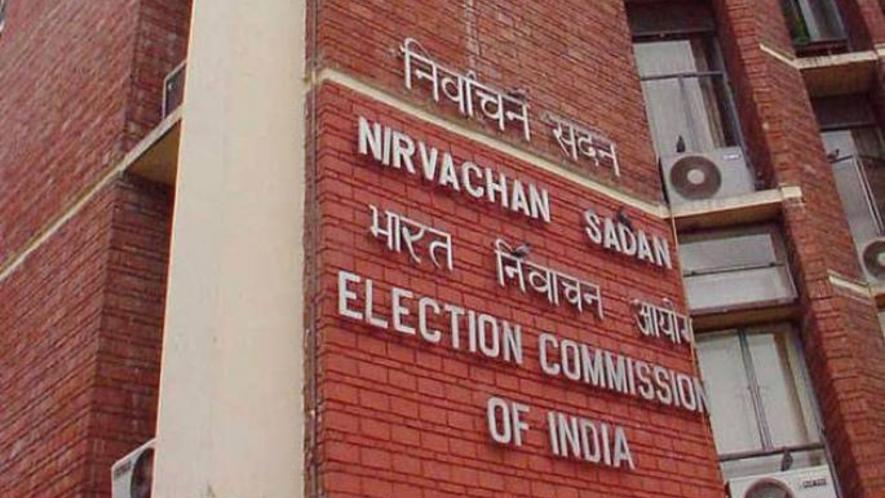
The Election Commission of India has announced nine significant policy decisions aimed at modernizing electoral processes and enhancing transparency. Meanwhile, political parties like the Congress have raised concerns, reacting sharply to the commission's recent statements amidst ongoing regional security challenges.
In-Depth Analysis
The Election Commission of India has introduced a comprehensive set of nine new decisions designed to reshape the electoral landscape and address long-standing concerns regarding transparency, efficiency, and fairness in the democratic process. These sweeping changes come at a time when the commission faces intense scrutiny from various political factions over its administrative approach and public communications.
Overview of the Nine New Decisions
The newly announced measures encompass a wide array of administrative and procedural adjustments. While some decisions focus on streamlining voter registration and updating electoral rolls using advanced digital infrastructure, others target campaign expenditure monitoring and the strict enforcement of the Model Code of Conduct. The commission aims to leverage technology to curb electoral malpractices, reduce logistical bottlenecks during polling days, and ensure smoother coordination between local law enforcement and election observers.
Among the notable changes is the implementation of stricter timelines for resolving complaints lodged by political parties and candidates. The commission has emphasized that rapid redressal is vital for maintaining public trust in the electoral machinery. Furthermore, enhanced protocols for electronic voting machine (EVM) tracking and storage have been put in place to eliminate any lingering doubts regarding the integrity of the voting devices.
What Remains Unchanged
Despite the extensive reforms, several core tenets of the Indian electoral system remain entirely untouched. The fundamental framework of universal adult suffrage, the secret ballot system, and the constitutional mandate of conducting free and fair elections continue to form the unyielding bedrock of the commission's operations. Basic voting procedures for citizens at polling booths, the legal voting age, and the broad structural division of constituencies will see no alteration. The commission reiterated that these foundational elements are non-negotiable and protected by the Constitution of India.
Political Backlash and Controversy
The rollout of these decisions has not been without controversy. The opposition Congress party has strongly criticized the Election Commission, labeling its recent public statements as 'wishy-washy' and accusing the institution of operating in damage-control mode. Congress leaders argued that the commission has failed to adequately address pressing grievances regarding electoral fairness and neutrality, claiming that the new rules do not go far enough to curb the alleged misuse of state machinery during election cycles. Political analysts suggest that this friction highlights the growing tension between regulatory bodies and political stakeholders as the nation prepares for upcoming electoral battles.
Security Concerns and Regional Context
Compounding the tense political atmosphere are persistent security challenges in various parts of the country. Recent incidents, such as the tragic killing of two Naga civilians and injuries to two others in a gun attack in Manipur, have underscored the fragile security situation in certain regions. Opposition leaders have pointed to these developments to question the government's ability to maintain law and order, arguing that a stable security environment is an absolute prerequisite for conducting peaceful and credible elections. Civil society organizations have also called for heightened vigilance and accountability from both state and central authorities to ensure that violence does not disenfranchise vulnerable communities.
As the Election Commission moves forward with the implementation of its nine new decisions, it faces the formidable task of bridging the trust deficit with political parties while ensuring robust administrative execution on the ground. The success of these reforms will ultimately be judged by how effectively they safeguard the democratic rights of citizens and uphold the sanctity of India's democratic traditions.
How do you feel about this story?
Discussion
No comments yet. Be the first to share your thoughts.
Join the discussion
Sign in to share your thoughts on this story.