BNN Summary
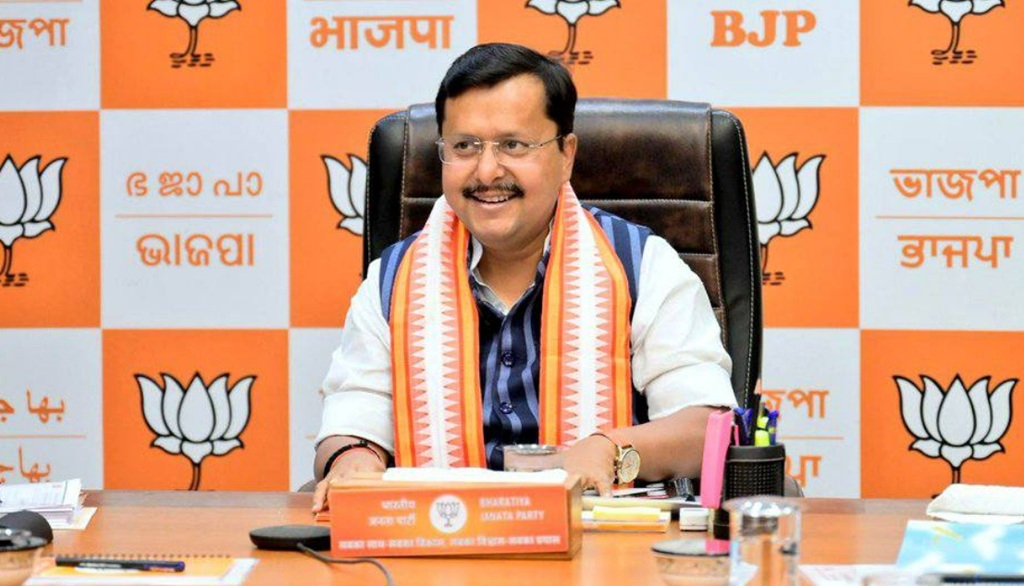
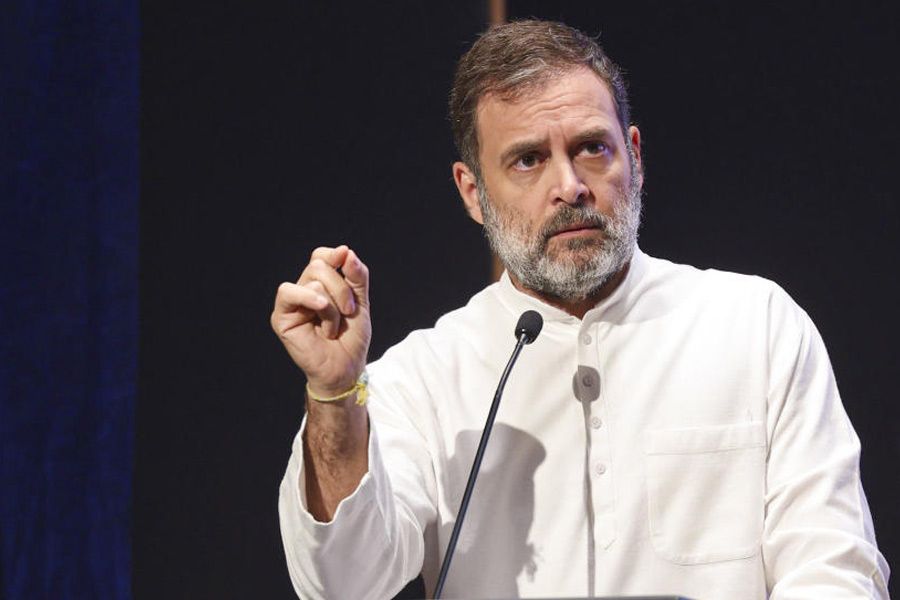
The Bharatiya Janata Party has strongly defended the Election Commission against allegations raised by Congress leader Rahul Gandhi regarding recent electoral setbacks. The ruling party asserted that anti-incumbency is an inherent consequence of the Gandhi family's political footprint rather than any institutional flaws, maintaining that the electoral process remains fully transparent and legally sound.
In-Depth Analysis
The political landscape witnessed a sharp exchange of words as the Bharatiya Janata Party launched a robust counter-offensive against the Congress party, firmly rejecting allegations of electoral manipulation and institutional bias. The ruling party maintained that the Election Commission operates with complete autonomy and that its processes are entirely legally sound, dismissing criticism from opposition leaders as an attempt to deflect responsibility for repeated electoral rejections.
Roots of Anti-Incumbency
Rejecting claims that systemic irregularities contributed to recent electoral outcomes, senior leaders of the ruling party argued that anti-incumbency has historically followed the leadership and legacy of the Gandhi family. According to the party perspective, voters across various states have consistently chosen alternative governance models due to decades of unfulfilled promises, economic stagnation, and dynastic politics that failed to address grassroots developmental needs.
Political analysts note that the debate highlights deep-seated tensions between major national parties regarding the credibility of constitutional bodies. While the opposition continues to question the transparency of voting mechanisms and administrative oversight, the ruling administration insists that such challenges undermine democratic institutions only when politicians fail to secure a mandate from the electorate.
Institutional Integrity and Legal Standards
The Bharatiya Janata Party emphasized that the Election Commission of India functions as a robust constitutional pillar responsible for upholding the world's largest democratic exercise. Every phase of polling, from voter registration and constituency delimitation to electronic voting machine deployment and final counting, adheres strictly to statutory guidelines established under Indian electoral law.
Furthermore, representatives noted that multiple judicial reviews and past legal challenges have consistently upheld the reliability of electronic voting machines and the administrative framework managed by election officials. Therefore, casting doubt on these established procedures without substantive evidence does a disservice to the millions of citizens and polling personnel who successfully execute the democratic mandate.
Broader Political Repercussions
Beyond the immediate sparring between national parties, regional dynamics are also shifting as opposition allies evaluate their strategies moving forward. Discussions concerning seat-sharing arrangements and coalition building in key battleground states indicate that regional parties are increasingly asserting their dominance, demanding electoral alliances based strictly on ground-level winnability rather than historical precedence.
As political parties prepare for upcoming electoral cycles across various states, the discourse surrounding institutional neutrality and accountability is expected to intensify. Both sides remain entrenched in their respective positions, with the ruling alliance advocating for faith in statutory processes and the opposition demanding sweeping reforms to ensure absolute transparency.
How do you feel about this story?
Discussion
No comments yet. Be the first to share your thoughts.
Join the discussion
Sign in to share your thoughts on this story.