BNN Summary
Congress leader Rahul Gandhi has released a cryptic statement on social media as political tensions intensify surrounding the Election Commission of India. The remarks have sparked widespread debate among political analysts and opposition parties over institutional accountability and transparency.
In-Depth Analysis
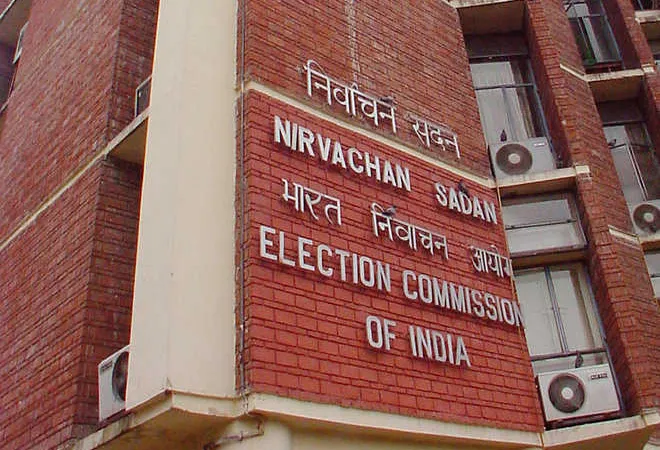
The political landscape in India has witnessed a fresh surge of tension following a cryptic social media post by senior Congress leader Rahul Gandhi. The statement, released amidst an ongoing controversy concerning the Election Commission of India (ECI), has quickly drawn national attention, igniting fierce debates across political circles and media platforms.
Rahul Gandhi took to his official social media channels to voice his concerns regarding the state of democratic institutions in the country. While his message was brief and open to interpretation, it heavily implied deep-seated apprehensions about the operational transparency and neutrality of electoral oversight bodies. The timing of the post is particularly significant, coinciding with mounting scrutiny from various opposition factions regarding the management and regulation of recent electoral processes.
Political commentators note that the opposition has increasingly targeted the Election Commission in recent months, raising questions about procedural fairness, electronic voting machine security, and the timely redressal of complaints lodged by non-ruling parties. Gandhi's latest intervention is viewed by political strategists as a calculated move to keep the pressure high on regulatory bodies, rallying party cadres and opposition allies ahead of upcoming electoral battles.
In response to the growing chorus of criticism, representatives from the ruling administration have strongly defended the independence and constitutional integrity of the Election Commission. Government spokespersons asserted that such statements from opposition leaders are politically motivated attempts to undermine faith in independent democratic institutions whenever electoral outcomes do not align with their expectations. They emphasized that the ECI has consistently operated under strict constitutional guidelines to ensure free, fair, and transparent elections across the vast and diverse landscape of India.
Legal experts and constitutional analysts have weighed in on the matter, highlighting the delicate balance required to maintain public trust in institutions that form the backbone of Indian democracy. Many have stressed the importance of open dialogue and constructive engagement between regulatory bodies and political stakeholders to address any perceived grievances transparently and prevent erosion of institutional credibility.
Meanwhile, grassroots workers and regional leaders within the opposition alliance have amplified Gandhi's message, demanding greater accountability and institutional reforms. Public debates and television panels are currently dominated by discussions surrounding the independence of oversight watchdogs, setting the stage for prolonged political friction in the Parliament and public domain.
As the situation continues to evolve, observers expect further reactions from various political entities as they navigate the complex interplay between electoral governance and political opposition strategy. The ongoing discourse underscores the vital role that transparency, public trust, and institutional integrity play in sustaining the world's largest democracy.
How do you feel about this story?
Discussion
No comments yet. Be the first to share your thoughts.
Join the discussion
Sign in to share your thoughts on this story.