BNN Summary
Recent developments highlight a broad spectrum of public engagement efforts, ranging from law enforcement agencies partnering with local residents to curb speeding violations, to creative filmmakers confronting safety concerns at high-profile premieres, and athletic leaders analyzing critical performance losses in competitive sports.
In-Depth Analysis
Public safety, creative expression, and athletic accountability have emerged as prominent themes across various sectors, reflecting how communities and professionals navigate challenges in their respective fields. From local neighborhoods collaborating with law enforcement to filmmakers speaking out against intimidation, recent events underscore a shared commitment to addressing pressing issues through dialogue, strategic planning, and direct action.
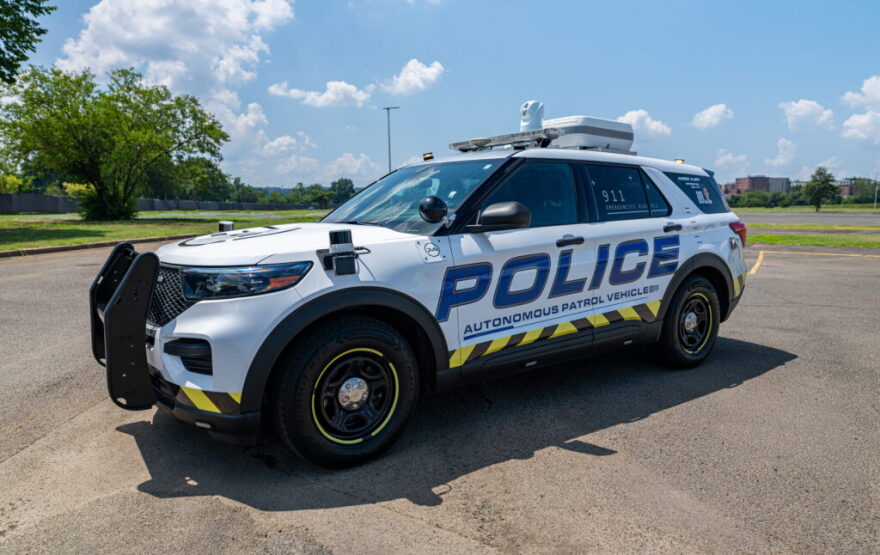
In local communities, law enforcement agencies are increasingly turning toward collaborative policing models to tackle persistent neighborhood concerns such as speeding and reckless driving. Traffic safety has long been a major anxiety for families living in residential areas, where speeding vehicles pose a direct threat to pedestrians, children, and cyclists. Traditional enforcement methods, such as stationary patrols and automated ticketing, have often proven insufficient for long-term behavioral change. Consequently, police departments are forging partnerships with local residents to design comprehensive community-led safety programs.
These collaborative initiatives often involve neighborhood watch groups, town hall meetings, and educational workshops aimed at raising awareness about the dangers of speeding. Residents are empowered to report chronic problem areas, share traffic data, and work alongside municipal planners to implement traffic-calming infrastructure. Solutions such as speed bumps, improved crosswalk signaling, and increased signage are being deployed based on direct community feedback. Authorities note that bridging the gap between law enforcement and citizens not only improves traffic compliance but also fosters a deeper sense of trust and mutual responsibility within neighborhoods.
Meanwhile, in the realm of arts and culture, creators are utilizing public platforms to confront external pressures and security threats. At high-profile cinematic events, documentary film-makers have used their premiere stages to address intimidation, censorship, and the very real dangers faced by investigative artists. Independent storytelling often exposes uncomfortable truths, leading to hostility from groups or individuals invested in suppressing specific narratives. By speaking openly about these threats during festival screenings and press conferences, directors and producers draw vital international attention to the vulnerabilities faced by cultural workers.
This discourse highlights the fragile nature of free expression in modern society. When creators face intimidation for documenting social realities, the collective response from the artistic community serves as a vital shield. Industry panels and public discussions held during these premieres provide a forum for solidarity, legal strategy discussions, and advocacy for institutional protections. By bringing these hidden struggles into the public eye, filmmakers ensure that attempts at silencing critical voices are met with greater transparency and collective pushback.
In the competitive sports arena, accountability and performance analysis take center stage following difficult defeats. Coaches and team leaders frequently face the media immediately after high-stakes games to address strategic missteps, execution errors, and areas requiring urgent improvement. These post-game analyses are crucial for maintaining team morale and guiding rigorous training regimens ahead of upcoming fixtures. Athletic leaders dissect game tape, evaluate player decision-making, and outline tactical adjustments needed to reverse negative trends. Whether dealing with defensive lapses or offensive stagnation, transparent evaluation remains a cornerstone of professional athletic development.
Ultimately, whether through neighborhood traffic safety coalitions, artistic advocacy against censorship, or rigorous athletic debriefs, the overarching trend points toward active engagement. Addressing complex problems requires collective participation, clear communication, and a willingness to confront difficulties head-on rather than ignoring them. As these diverse stories illustrate, proactive collaboration remains the most effective tool for driving positive outcomes across society.
How do you feel about this story?
Discussion
No comments yet. Be the first to share your thoughts.
Join the discussion
Sign in to share your thoughts on this story.