BNN Summary
Recent reports highlight significant changes in postal and voting trends across different regions. An NBC News poll indicates a decline in the number of Democrats planning to vote by mail. Meanwhile, residents in wildfire-affected Lahaina and Denver renters face ongoing struggles with delayed or suspended mail delivery services.
In-Depth Analysis
Aseries of recent developments concerning postal services and mail-in voting habits has highlighted the vital role that reliable mail systems play in daily civic and community life across the country. From shifting political preferences regarding election ballots to logistical nightmares in disaster-stricken and urban residential zones, postal logistics have become a focal point of widespread public concern.
Shift in Voting Habits Among Democrats
According to a recent NBC News poll, a notable shift is underway regarding how voters plan to cast their ballots in upcoming elections. Specifically, the data reveals that fewer Democrats are planning to utilize mail-in voting methods compared to previous election cycles. This change marks a potential evolution in strategic voting behaviors within the party. During the COVID-19 pandemic and the subsequent election cycles, mail-in and absentee voting were heavily promoted and utilized by Democratic voters as a safe and accessible alternative to in-person polling stations. However, recent polling suggests a recalibration, with more voters potentially returning to traditional in-person voting methods on Election Day or utilizing early voting centers.
Political analysts suggest this trend could be influenced by a variety of factors, including changing public perception of pandemic-era safety protocols, renewed confidence in in-person voting infrastructure, or strategic campaigns by political organizations encouraging voters to ensure their ballots are cast directly. Regardless of the underlying motivations, this shift has significant implications for election administrators, who must forecast ballot processing timelines, manage resource allocation for postal services, and prepare for potentially different ratios of mail-in versus in-person votes.
Lahaina Wildfire Recovery and Missing Mailboxes
While political strategists analyze voting trends, communities recovering from catastrophic natural disasters are grappling with much more fundamental postal challenges. Months after the devastating Lahaina wildfire in Hawaii destroyed entire neighborhoods, residents who have returned to rebuild their homes are finding that their mailboxes sit entirely empty. The destruction of local infrastructure wiped out standard postal routes, and the slow pace of rebuilding essential municipal services has left many families isolated from standard mail delivery.
For survivors trying to piece their lives back together, the absence of reliable mail service compounds the trauma and logistical hurdles of recovery. Important documents, insurance correspondence, medical bills, and government assistance notices are often delayed or lost, forcing residents to travel long distances or wait in long lines at temporary postal hubs just to check for correspondence. Local community advocates and affected homeowners have called on the United States Postal Service and local authorities to prioritize the restoration of postal routes to rebuilt properties, emphasizing that a functioning mail system is a critical benchmark for true community recovery.
Delivery Suspensions Leave Denver Renters Stranded
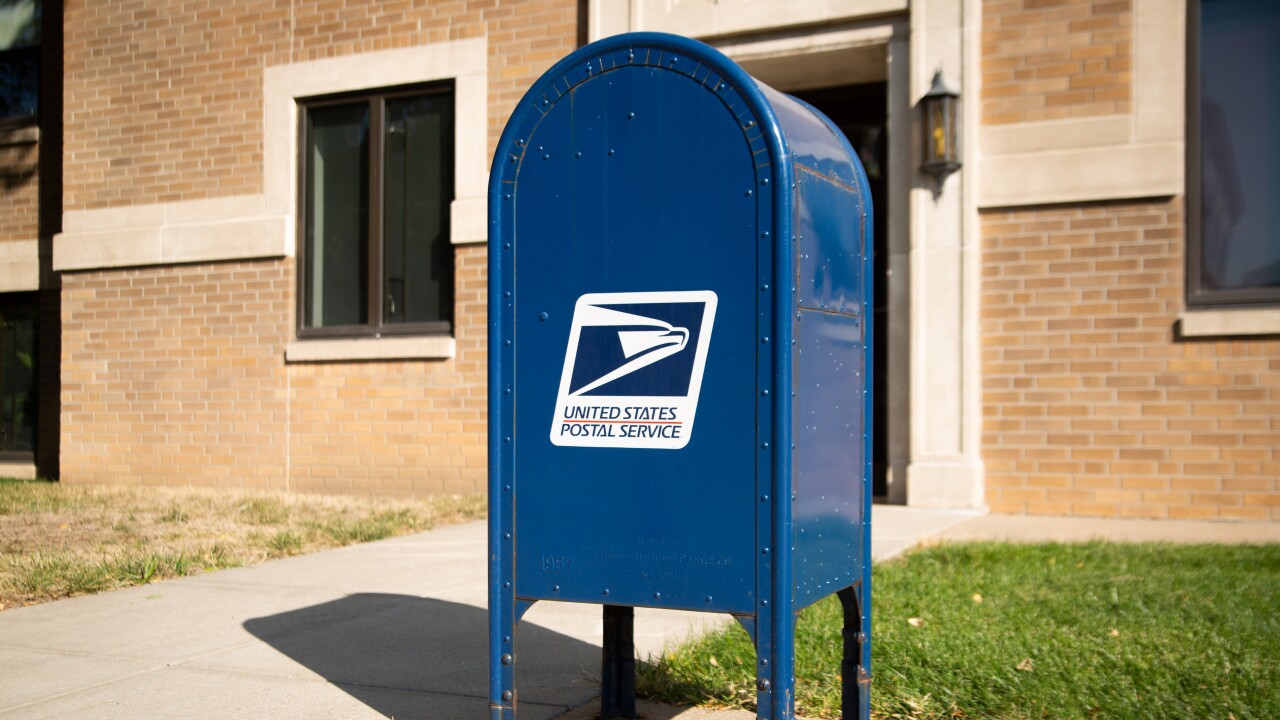
Urban centers are also experiencing severe postal disruptions. In Denver, a large number of renters are struggling to receive their mail after the United States Postal Service made the controversial decision to temporarily halt or restrict delivery to certain apartment complexes. The decision typically stems from safety concerns raised by postal carriers, such as unsecured property gates, broken parcel lockers, unlit walkways, or incidents of mail theft and vandalism in multi-family residential areas.
While safety must remain a top priority for postal workers, the suspension of delivery places an immense burden on everyday tenants who rely on timely mail for everything from paychecks and prescription medications to utility bills and legal notices. Affected renters have reported having to travel to regional post offices during restrictive weekday business hours to retrieve accumulated mail, creating significant hardships for individuals with strict work schedules or limited mobility. Tenant advocacy groups are urging property management companies and postal authorities to collaborate swiftly on security upgrades and infrastructure repairs so that standard door-to-door or locker delivery services can resume as soon as possible.
Conclusion
These diverse challenges underscore the heavy reliance society places on a functioning postal network. Whether it is facilitating democratic participation through mail-in ballots or delivering essential goods and communications to disaster survivors and urban renters, the reliability of postal services remains a cornerstone of civic stability. Addressing these multifaceted issues will require concerted efforts from federal agencies, local governments, and community stakeholders to ensure that mail delivery remains secure, accessible, and dependable for all citizens.
How do you feel about this story?
Discussion
No comments yet. Be the first to share your thoughts.
Join the discussion
Sign in to share your thoughts on this story.