BNN Summary
The proposed Frontier Nagaland Territory bill represents a groundbreaking model of regional autonomy within India. Despite its significant constitutional and governance implications for Northeast India, the development has largely flown under the radar of national mainstream media outlets.
In-Depth Analysis
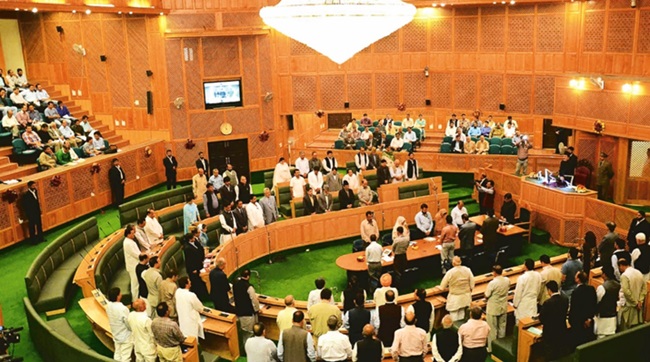
The political landscape of Northeast India recently witnessed a quiet yet profound evolution with the discourse surrounding the Frontier Nagaland bill, a legislative framework that proposes a novel model of regional autonomy. While discussions of this magnitude typically dominate national headlines and spark rigorous parliamentary debates, this development has largely remained confined to regional circles, prompting analysts to re-examine the criteria for what captures the collective attention of the Indian media ecosystem.
At its core, the proposed governance model seeks to address long-standing grievances regarding developmental disparities and socio-political representation in the eastern districts of Nagaland. Communities in these regions have historically expressed feelings of marginalization, arguing that the fruits of economic progress and administrative focus have disproportionately favored other parts of the state. The Frontier Nagaland Territory framework attempts to bridge this gap by introducing a decentralized administrative setup designed to empower local populations with greater financial autonomy, legislative oversight, and decision-making powers over their internal affairs.
Experts on constitutional law and regional governance point out that this model could serve as a compelling blueprint for resolving complex sub-national aspirations across other parts of the country. Unlike traditional statehood demands that often fracture existing states and create administrative friction, the proposed territorial council model aims to strike a delicate balance. It preserves the territorial integrity of Nagaland while simultaneously granting substantial self-governance rights to the marginalized eastern districts. This delicate balance of power requires meticulous legislative craftsmanship, ensuring that both state-level authorities and local administrative bodies can operate in harmony without perpetual friction.
However, the journey toward finalizing and implementing such an autonomous framework is fraught with political and logistical challenges. Negotiations involving central government representatives, state leadership, and tribal organizations demand immense diplomatic finesse and patience. Every stakeholder harbors distinct expectations regarding resource allocation, administrative jurisdiction, and cultural preservation. The central government faces the uphill task of accommodating these aspirations while maintaining the broader stability of the region, which shares sensitive international borders and possesses a complex ethnic mosaic.
Despite the high stakes involved—ranging from long-term regional peace to innovative democratic governance—the relative silence in national media coverage remains puzzling. Observers suggest that mainstream newsrooms often prioritize sensational political drama over intricate policy discussions, particularly when developments occur in geographically remote regions. This oversight not only deprives citizens across the rest of the country of understanding important federal experiments but also isolates regional actors who look to national platforms to amplify their legitimate grievances.
Moving forward, as the discourse around the Frontier Nagaland framework continues to evolve, civil society organizations and political commentators are urging a broader national conversation. Recognizing and understanding these innovative models of autonomy is crucial for strengthening India's federal structure. By engaging with these complex regional issues, the nation can foster a more inclusive political culture that values equitable development, minority empowerment, and cooperative federalism in every corner of the country.
How do you feel about this story?
Discussion
No comments yet. Be the first to share your thoughts.
Join the discussion
Sign in to share your thoughts on this story.