BNN Summary
The Bharatiya Janata Party has launched a sharp ideological attack against the Indian National Congress, accusing the opposition of embracing Muslim League and Maoist politics. Citing recent remarks by former Vice President Hamid Ansari, BJP leaders claimed that the grand old party is suffering from a deep internal divide and shifting away from mainstream national interest to pursue divisive political strategies ahead of crucial elections.
In-Depth Analysis
The political confrontation between the ruling Bharatiya Janata Party (BJP) and the primary opposition Indian National Congress has escalated significantly, with the BJP launching a scathing ideological critique against its principal rival. Senior leaders of the BJP have accused the Congress party of abandoning its historical foundation and increasingly adopting radical ideologies reminiscent of the Muslim League and extreme Maoist factions. This sharp political broadside comes amid heightened electoral posturing, where political parties are aggressively defining their core narratives and attempting to expose perceived contradictions in their opponents' platforms.
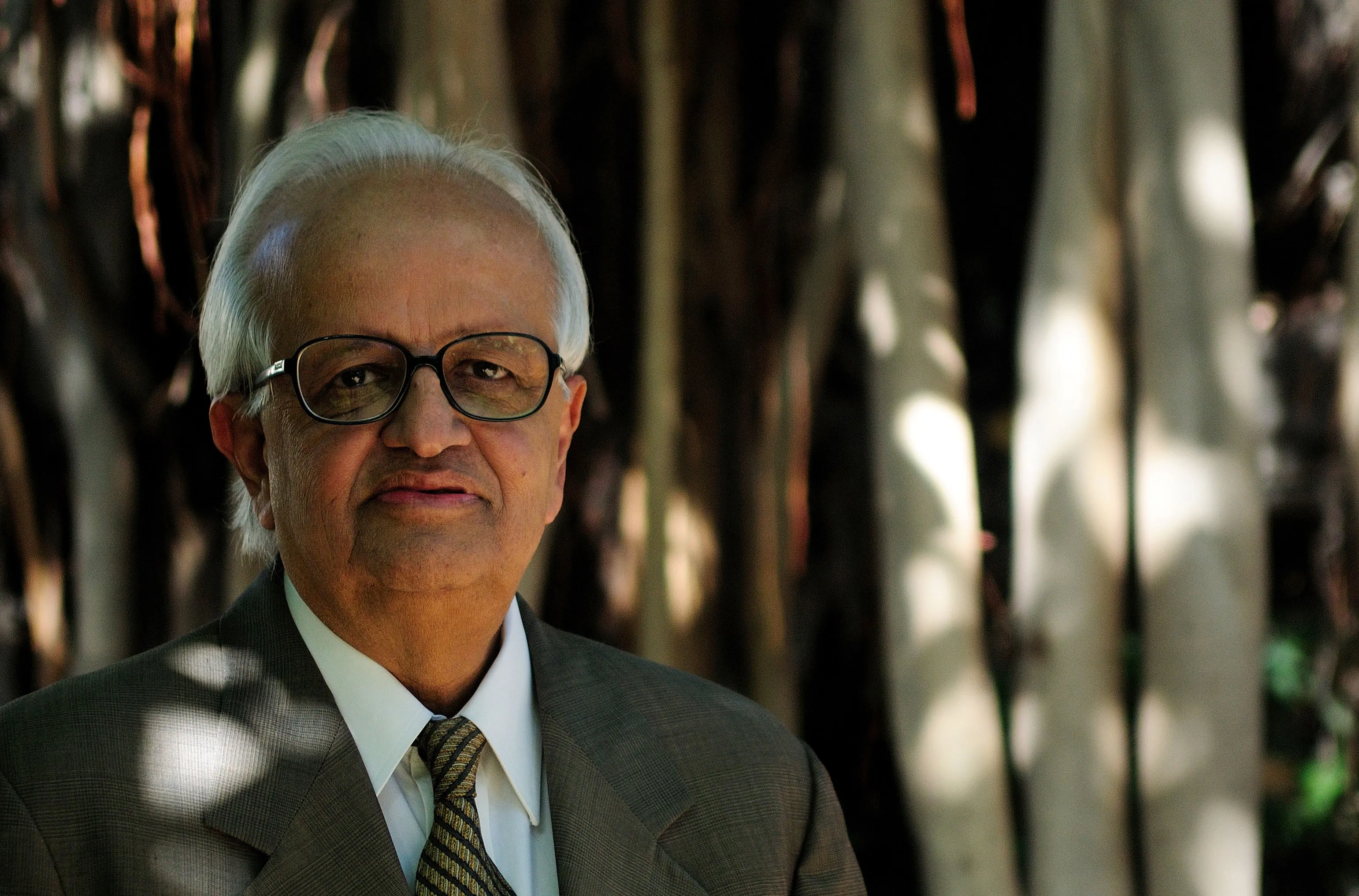
Central to the BJP's latest offensive are recent public observations and reflections associated with former Vice President Mohammad Hamid Ansari. According to the ruling party, statements made by Ansari clearly expose a profound internal ideological divide within the Congress leadership. The BJP asserted that when veteran figures and former constitutional authorities draw attention to shifts in political tone and policy direction, it serves as an undeniable confirmation that the Congress has drifted far from mainstream Indian national interests. BJP spokespersons argued that the grand old party has increasingly turned toward extreme rhetoric in a desperate bid to regain lost political ground, compromising long-standing democratic norms and national unity in the process.
Elaborating on their charges, BJP strategists pointed out that Congress' current electoral strategies, political alliance choices in various states, and public commitments reflect a troubling drift toward divisive identity politics. The BJP claimed that Congress' willingness to partner with regional entities that echo historical divisive forces, combined with its adoption of economic and social rhetoric heavily influenced by far-left Maoist philosophies, poses a direct threat to the nation's social cohesion and economic stability. Party leaders highlighted specific policy proposals and manifesto promises, characterizing them as deliberate attempts to divide Indian society along religious, caste, and class lines rather than promoting inclusive growth.
In response to these allegations, political observers note that the BJP's strategy aims to frame the primary opposition as fundamentally unreliable, ideologically compromised, and deeply fractured. By invoking emotive historical parallels like the Muslim League and highlighting internal commentary referenced by prominent public figures like Hamid Ansari, the BJP seeks to consolidate its support base while projecting itself as the sole guardian of national security, sovereignty, and developmental progress.
As major elections approach, the fierce debate over political philosophy and party legacy is expected to intensify further. This ongoing war of words underscores how modern electoral contests in India are being fought not only on governance track records and economic promises, but also on deep-seated ideological battles surrounding national identity, constitutional values, and secularism.
How do you feel about this story?
Discussion
No comments yet. Be the first to share your thoughts.
Join the discussion
Sign in to share your thoughts on this story.