BNN Summary
Prime Minister Narendra Modi recently drew sharp criticism and sparked intense debate across the political landscape following his remarks regarding opposition figures and events. The comments have reignited discussions about political discourse, decorum, and the escalating verbal battles between the ruling party and its opponents as election cycles approach.
In-Depth Analysis
The Indian political arena has once again been set ablaze following remarks made by Prime Minister Narendra Modi concerning opposition leadership and recent public events. The Prime Minister comments, which touched upon the manner and conduct of opposition figures, have drawn fierce reactions from various political factions, leading to a fresh wave of controversy and heightened rhetorical combat.
Background of the Controversy
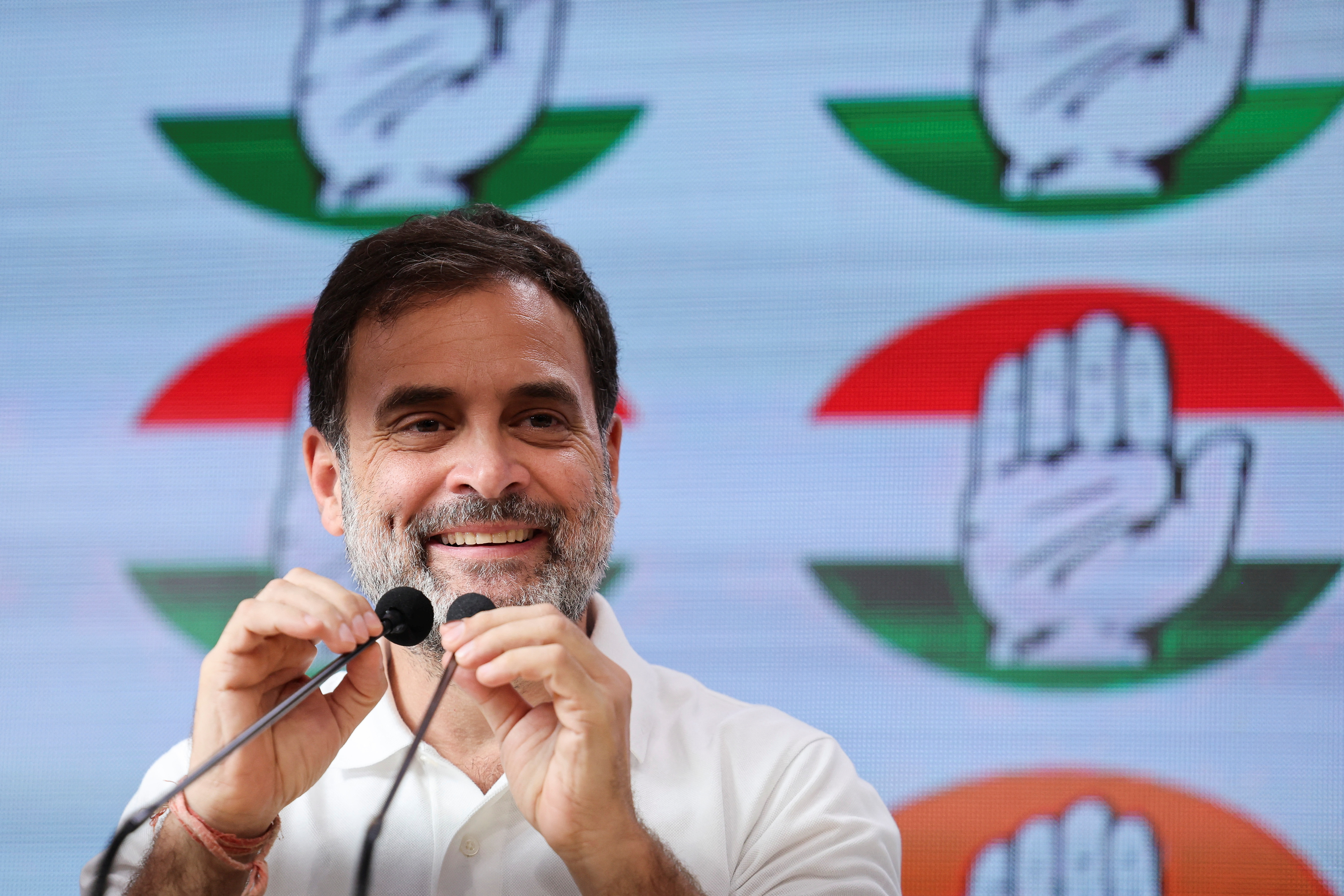
The latest political flare-up began when Prime Minister Modi addressed a public gathering, where he critiqued the style of politics practiced by key opposition members, specifically referencing events organized by senior Congress leader Rahul Gandhi. The Prime Minister utilized rhetorical flair to describe the opposition strategy, suggesting that their public engagements resembled theatrical performances rather than serious political discourse. This commentary quickly caught the attention of media outlets, political analysts, and rival party members.
Opposition leaders immediately mobilized to condemn the remarks, arguing that the Prime Minister comments degraded the dignity of high public office and deflected attention from pressing national issues such as inflation, unemployment, and economic management. Spokespersons for the opposition asserted that mocking political adversaries sets a dangerous precedent and poisons the well of democratic debate.
Ruling Party Defense
In stark contrast, leaders and supporters of the Bharatiya Janata Party (BJP) rallied around the Prime Minister, defending his statements as a necessary and accurate critique of what they term 'opportunistic politics'. BJP representatives argued that opposition events lack substantive policy proposals and instead rely on superficial theatrics designed to mislead the electorate. According to ruling party insiders, the Prime Minister remarks merely exposed the hollow nature of opposition campaigns and their inability to connect with the grassroots aspirations of common citizens.
Furthermore, ruling party defenders pointed out that political satire and sharp critique have long been staples of democratic competition. They accused the opposition of suffering from double standards, noting that opposition figures frequently launch personal attacks against the Prime Minister and cabinet ministers without facing similar moral outrage from sympathetic commentators.
Impact on National Discourse
The ongoing war of words highlights the deepening polarization within the country's political ecosystem. As political parties gear up for upcoming electoral battles across various states, the tone of public engagement has noticeably coarsened. Analysts observe that both sides are increasingly relying on aggressive messaging to mobilize their respective voter bases, often at the expense of nuanced policy debates.
Civil society organizations and independent commentators have expressed concern over the declining standards of political rhetoric. Many have called for a return to issues-based campaigning, emphasizing that voters deserve to hear detailed plans regarding healthcare, education, infrastructure, and national security rather than continuous personal sparring between prominent leaders.
Broader Political Repercussions
Beyond the immediate headlines, this incident underscores the high stakes involved in contemporary Indian politics. With social media amplifying every comment, retort, and counter-retort, political narratives shift rapidly. The ability of major leaders to set the agenda and frame their opponents remains a crucial tactical advantage, but it also carries the risk of alienating undecided voters who grow weary of perpetual acrimony.
As the political parties continue to exchange salvos over this episode, the electorate watches closely. Whether this controversy will translate into tangible electoral shifts or simply fade into the background noise of daily political life remains to be seen. However, it serves as another clear indicator of the fierce ideological and personal contestations shaping the future of the nation's governance.
How do you feel about this story?
Discussion
No comments yet. Be the first to share your thoughts.
Join the discussion
Sign in to share your thoughts on this story.