BNN Summary
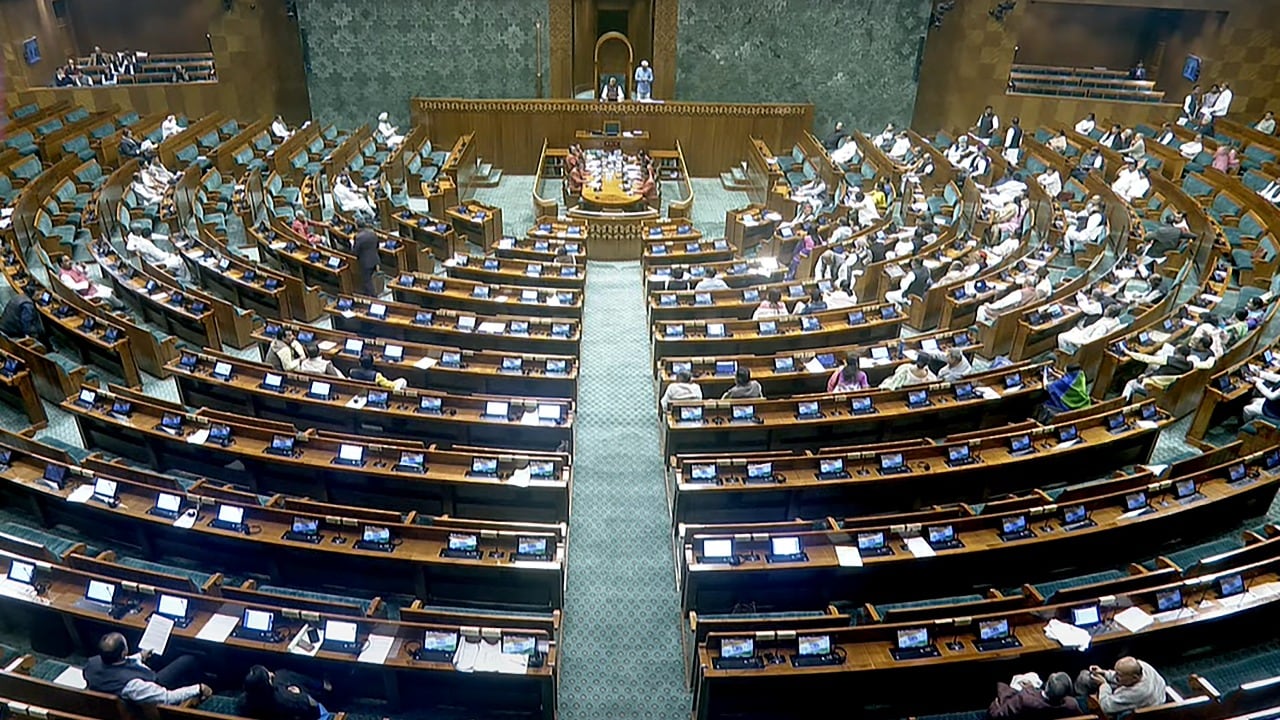
India’s Parliament is still drawn on the map of 1971. The Lok Sabha was fixed at 543 seats in 1973, when India had 54.8 crore people. The freeze was set by the 42nd Amendment and extended by the 84th Amendment in 2001 until the first census after 2026. The country has grown far beyond that population. The size of the House has not.
In-Depth Analysis
India takes pride in being the world's largest democracy. However, the strength of a democracy cannot be measured merely by the number of people who cast their votes. It must also be measured by how effectively their elected representatives can understand their problems, address their grievances and ensure that development reaches every citizen. In this context, the delimitation of parliamentary and assembly constituencies, accompanied by a substantial increase in the number of elected representatives, has become an urgent necessity for India.
India’s Parliament is still drawn on the map of 1971. The Lok Sabha was fixed at 543 seats in 1973, when India had 54.8 crore people. The freeze was set by the 42nd Amendment and extended by the 84th Amendment in 2001 until the first census after 2026. The country has grown far beyond that population. The size of the House has not.
The growing burden on elected representatives
One of the strongest arguments for increasing constituencies is the disproportionate population burden placed on individual Members of Parliament and Members of Legislative Assemblies.
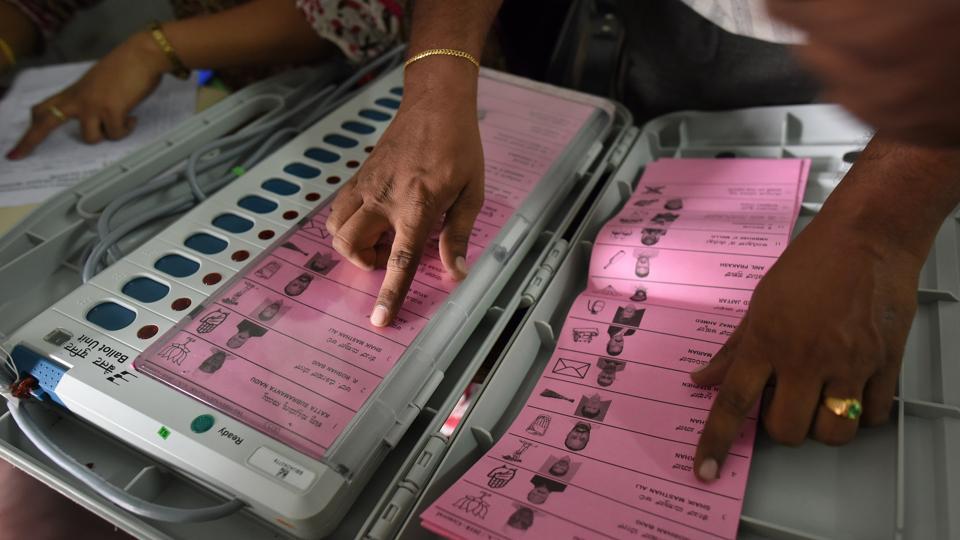
According to the Election Commission of India's Atlas 2024, Malkajgiri in Telangana has approximately 37.80 lakh registered electors, making it the parliamentary constituency with the highest number of electors in the country. Bangalore North follows with approximately 32.15 lakh electors. Other heavily populated constituencies include Shirur (25.42 lakh), Indore (25.28 lakh), Thane (25.08 lakh) and North East Delhi (24.64 lakh). At the other end, Lakshadweep has about 58,000 voters. A voter in Malkajgiri therefore shares one MP with roughly 65 times as many fellow voters as a voter in Lakshadweep does. These figures predate the Special Intensive Revision of the rolls, so an official has noted that they may have changed
These figures reveal an important democratic concern. A single MP from Malkajgiri is expected to represent nearly 38 lakh registered voters, in addition to the wider population, including children and non-voters. How can one elected representative effectively attend to the needs of such a vast population?
Consider the responsibilities of an MP. The representative must address issues relating to drinking water, roads, drainage, public transport, schools, hospitals, employment, urban planning, law and order, environmental protection and countless individual grievances. The MP must also participate in parliamentary proceedings, legislative debates, committee meetings and national policy discussions.
When a constituency contains several million electors, the representative's ability to maintain meaningful contact with citizens becomes increasingly difficult. Public grievances may remain unattended, local development issues may receive inadequate attention, and citizens may feel disconnected from their elected representatives. This is not necessarily a failure of individual legislators. It is increasingly a structural problem arising from constituencies that have become too large for effective representation.
Urbanisation makes the problem more serious
Rapid urbanisation and migration have significantly altered India's demographic landscape. Cities such as Hyderabad, Bengaluru, Mumbai, Delhi, Pune and Chennai have experienced substantial population growth. For instance, the 2011 Census-based population estimates for the Malkajgiri parliamentary constituency placed its population at approximately 24.28 lakh. The Thane parliamentary constituency had approximately 28.09 lakh people. These figures are already substantial, and the 2024 electoral rolls show the further expansion of their electorates. The Election Commission's 2024 figures show that Malkajgiri alone has more than 37.8 lakh registered electors. Such numbers demonstrate why the existing constituency structure needs serious reconsideration. A constituency should not become so large that an elected representative is unable to remain accessible to ordinary citizens. Democratic representation should be meaningful, not merely numerical.
Why more seats, not just redrawn lines
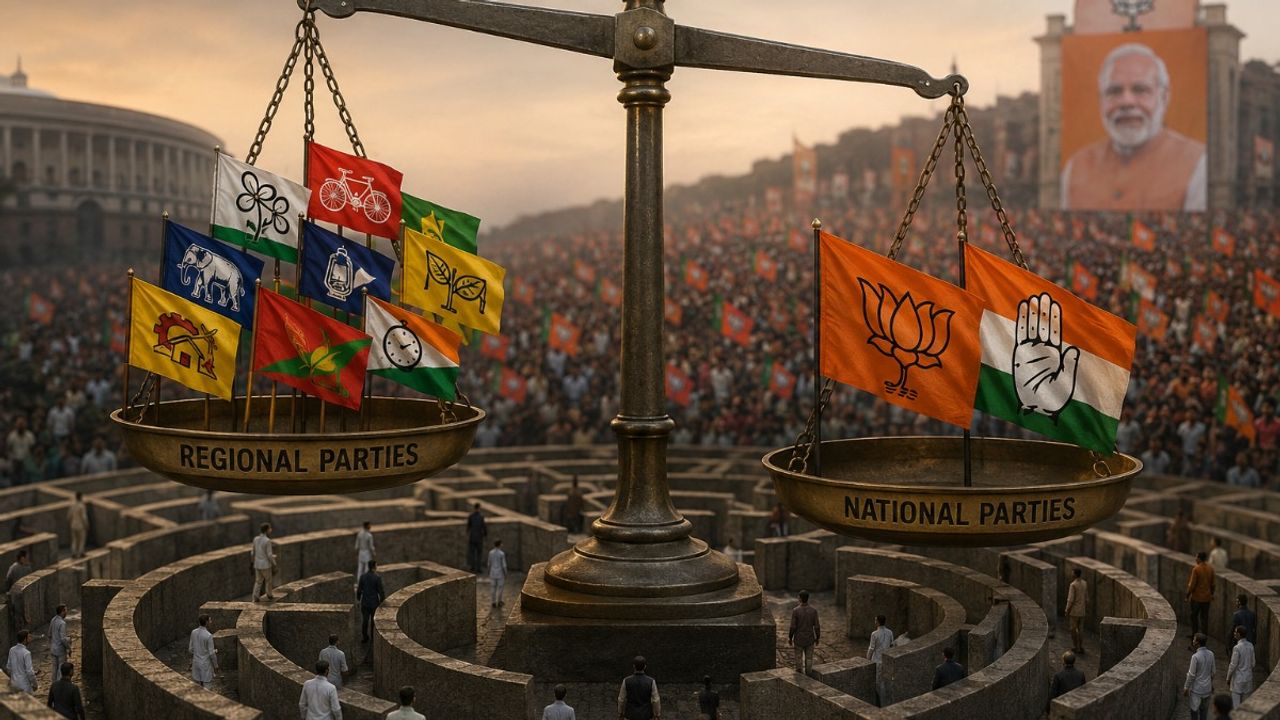
The sharpest objection to delimitation is the fear in the south. If seats were redistributed within a fixed 543 by population, Tamil Nadu would lose 11 seats and Uttar Pradesh would gain 14. That would be unfair to states that succeeded at population control.
Expansion is the answer to that fear. The failed 131st Amendment Bill proposed raising the House from 543 to 850 seats, with 815 for states and 35 for Union Territories. By the government’s own figures, the five southern states would rise from 129 to 195 seats, and their share would edge up from 23.76 to 23.87 per cent. Every state grows, none shrinks, and the biggest constituencies are split. A larger House also has room for the one-third women’s reservation Parliament passed in 2023. The new Parliament building, as it happens, was built with more seats than the present House fills.
Why increasing the number of seats is important
Delimitation is not simply about redrawing geographical boundaries. It is about making democracy more representative, accessible and accountable.
Increasing the number of Lok Sabha and Assembly constituencies would offer several important benefits. Better representation: Smaller constituencies would enable MPs and MLAs to understand local issues more closely and represent the aspirations of their people more effectively. Greater accessibility: Citizens would have better opportunities to approach their representatives, present grievances and seek solutions. Improved accountability: With a more manageable electorate, representatives could maintain closer contact with their constituents and be held more directly accountable for their performance. Focused development: Constituencies with distinct geographical, economic and social challenges could receive greater political attention. Urban areas, in particular, require dedicated representation to address congestion, housing shortages, pollution, traffic and inadequate infrastructure. Reduced administrative and representational pressure: Although MPs and MLAs do not personally administer every public service, they play a crucial role in coordinating with government departments and raising citizens' concerns. Smaller constituencies would make this responsibility more manageable. Stronger grassroots democracy: Better representation can encourage greater citizen participation and strengthen the relationship between elected institutions and the public.
Conclusion: Democracy must grow with its people
India cannot continue to rely on a constituency structure designed for a population and demographic reality that existed decades ago. As the country advances economically, socially and technologically, its democratic institutions must also evolve. A representative who is responsible for nearly 38 lakh electors faces an enormous challenge in providing meaningful representation. This raises a fundamental question: Is our present system adequately equipped to represent the aspirations of a population of more than 140 crore? Increasing the number of constituencies is not about creating more political positions or increasing political expenditure. It is about ensuring that every citizen receives adequate democratic representation. The objective should be to bring elected representatives closer to the people, improve accountability and make governance more responsive.
Delimitation, therefore, should not be viewed merely as an electoral exercise or a political debate. It is an essential democratic reform. A growing India needs a growing system of representation. The strength of Indian democracy will ultimately depend not only on how many people it represents, but also on how effectively it represents them.
How do you feel about this story?
Discussion
No comments yet. Be the first to share your thoughts.
Join the discussion
Sign in to share your thoughts on this story.