BNN Summary
Look at who runs the world’s boardrooms, Indian-born leaders such as Sundar Pichai, Satya Nadella, Arvind Krishna and Shantanu Narayen have headed some of the world’s most valuable technology companies. Gen Z sees scientists at ISRO, athletes from small towns and first-generation entrepreneurs who scaled from garages and rented rooms. These figures show that the system, imperfect as it is, can reward effort.
In-Depth Analysis
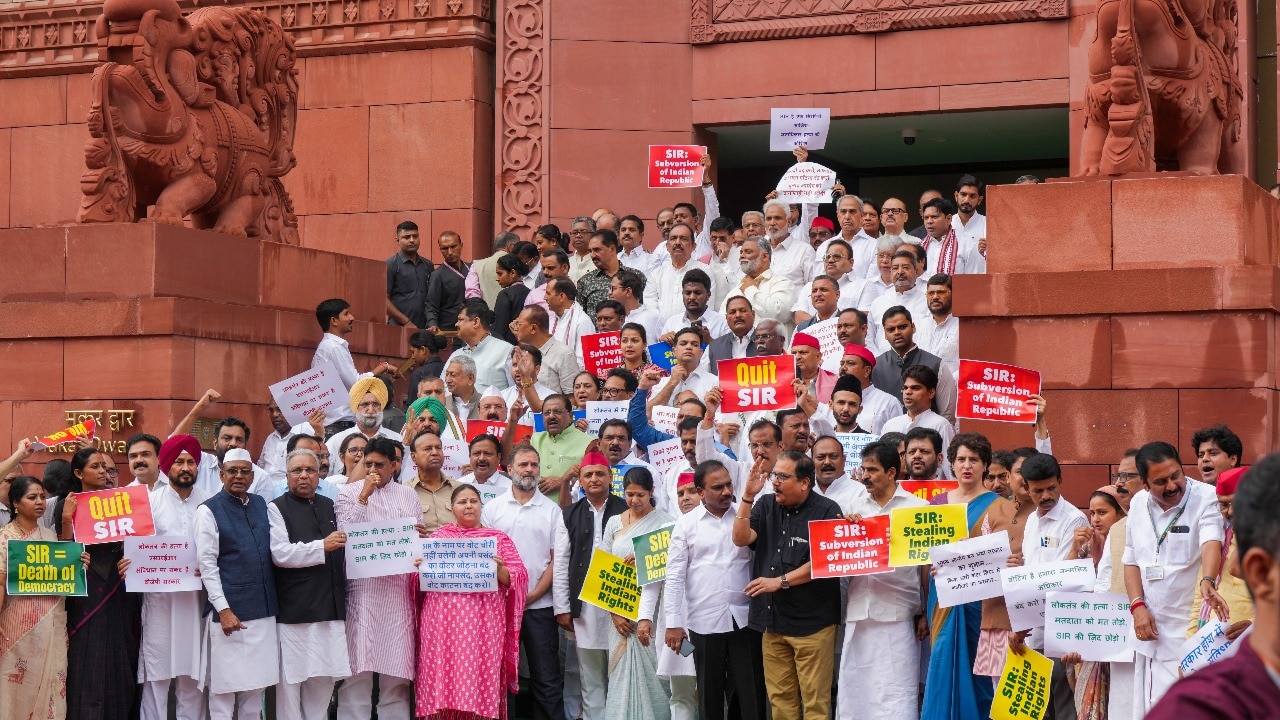
When AISA president Neha Bora recently said that Bangladesh’s Gen Z movement had inspired young Indians to organise around democracy and voting rights, the remarks, made in a video message to a Bangladeshi student organisation on October 14, set off a political row. Whatever one makes of the politics, the claim deserves a plain answer: it does not describe where most of India’s young people find their inspiration.
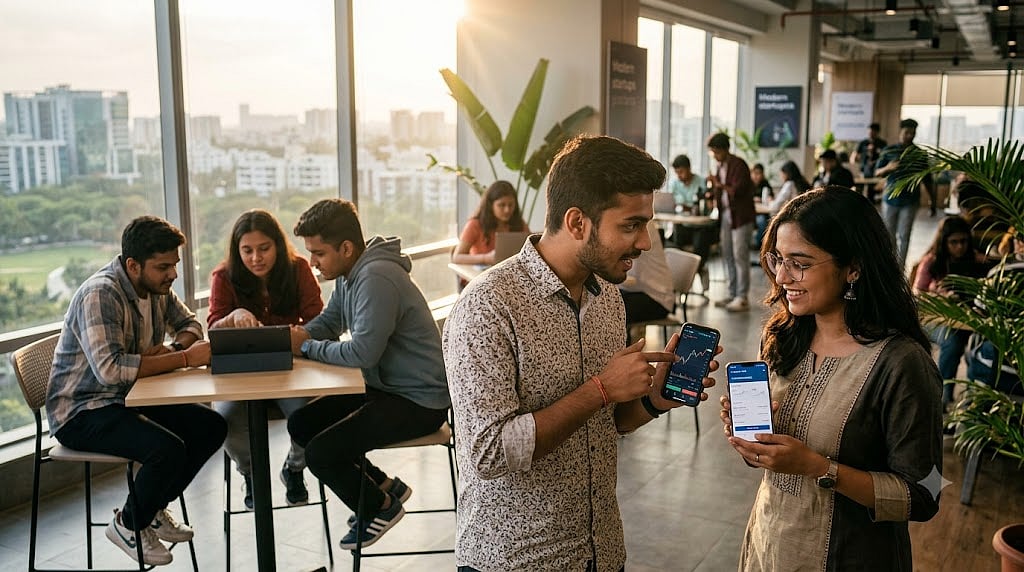
India’s Gen Z does not wait for a cue from abroad. Its drive comes from within, and it shows in daily life across the country. On a Saturday night in a Tier-2 city, a 21-year-old engineering student is not scrolling aimlessly. She is debugging the payments module of an app she hopes will help local kirana stores manage credit. Two lanes away, a pair of college friends are pitching a drone-based crop-monitoring idea to a mentor over cheap tea. Neither is thinking about protests in a neighbouring country. They are thinking about their next prototype.
This is the quieter, more telling story of India's Gen Z, the generation born roughly between the late 1990s and early 2010s. Every few years, events abroad prompt a familiar question: will young Indians, frustrated by jobs, prices and politics, take to the streets the way youth movements elsewhere have? The question assumes that young people's energy has only one direction. For most of India's youth it does not.
Look at who runs the world’s boardrooms
Indian-born leaders such as Sundar Pichai, Satya Nadella, Arvind Krishna and Shantanu Narayen have headed some of the world’s most valuable technology companies. Different as their stories are, they share a pattern. In their twenties they were not occupied with bringing down governments. They were in engineering classrooms and laboratories, learning to code, chasing scholarships, taking up demanding jobs, and slowly accumulating the skills and judgment that big institutions later trusted them with.
Leadership at that level is rarely the product of a single dramatic moment. It is the product of two decades of unglamorous work: exams cleared, products shipped, teams managed, failures survived. That is the quiet message young Indians hear from these role models, and it is a message about patience and craft, not about upheaval.
A different starting point
Gen Z in India has grown up amid digital public infrastructure that previous generations could scarcely have imagined. UPI turned a smartphone into a bank, a wallet and a storefront. Aadhaar-linked services, DigiLocker and open networks lowered the cost of starting something. A teenager in a small town can now reach a national market without a middle layer of gatekeepers.
The national mood has also shifted. The Chandrayaan-3 landing near the lunar south pole, the rise of private space start-ups, the growth of India's start-up ecosystem into one of the world's largest, and a more visible culture of homegrown brands have made ambition look achievable. For this generation, "Made in India" is increasingly a career plan.
Inspiration from within
Ask young founders what pushed them to build, and the answers are rarely about foreign headlines. They cite a family business that struggled with paperwork, a village that lacked reliable healthcare, a college senior who raised funding, or a YouTube explainer on how a product was made. Incubators on campuses, hackathons, the Atal Innovation Mission's tinkering labs and a thriving open-source community give such sparks somewhere to go.
Role models matter too. Gen Z sees scientists at ISRO, athletes from small towns and first-generation entrepreneurs who scaled from garages and rented rooms. These figures show that the system, imperfect as it is, can reward effort.
According to the Union government, India had more than 2.23 lakh recognised startups by March 31, 2026, with over 23.36 lakh direct jobs generated since the initiative began. These are figures for the overall startup ecosystem, not exclusively Gen Z. Nevertheless, they show the scale of the entrepreneurial landscape in which young Indians are coming of age.
Innovation also begins well before a company is formed. The Atal Innovation Mission reports 10,000 Atal Tinkering Labs, more than 1.1 crore participating students and over 16 lakh innovation projects. This school-level activity illustrates another powerful source of youthful ambition: the opportunity to experiment, solve problems and turn ideas into something useful.
Nation-building, on their own terms
For Gen Z, nation-building is less about slogans than about solutions. It shows up in a student team designing low-cost prosthetics, a climate-tech founder working on cleaner cooking solutions, volunteers teaching coding in government schools, and a young farmer using data to improve yields. Patriotism, for them, is practical: fix a problem, create a job, share a skill.
It is also unapologetically global. These young Indians collaborate across borders, learn from the world's best ideas and want India to compete on talent and technology. Their confidence comes from a belief that the country's best years are still ahead, not from outrage at what happens elsewhere.
What the nation owes them
This optimism is an asset, not a guarantee. If India is to turn its demographic advantage into lasting growth, it must meet its young people halfway: better-quality education, easier access to capital for first-time founders, cleaner regulation, faster justice, and more good jobs beyond the metros. Mentorship, research funding and a tolerance for failure matter as much as slogans about "start-up nation."
The lesson of this moment is that young people do not need a crisis to find purpose. India's Gen Z is motivated by possibility, by the sense that a good idea, a laptop and persistence can change a life and perhaps a neighbourhood. The country's task is to keep that belief justified.
The students in those Tier-2 cities will not make headlines tonight. But the products they ship, the companies they start and the problems they solve may well define India's next decade.
How do you feel about this story?
Discussion
No comments yet. Be the first to share your thoughts.
Join the discussion
Sign in to share your thoughts on this story.