BNN Summary
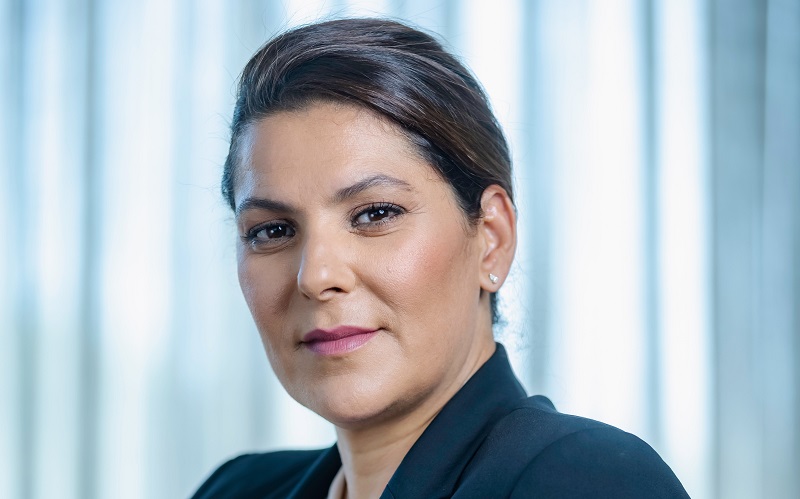
Morocco has achieved a historic milestone by appointing its first female Head of Government, capturing widespread attention from global media outlets, international leaders, and gender equality advocates worldwide.
In-Depth Analysis
The political landscape of North Africa experienced a monumental shift as Morocco officially appointed its very first female Head of Government. This historic development has sent ripples of inspiration across the globe, drawing extensive coverage from major international media organizations and sparking vital conversations about female political representation in the Arab world and beyond.
A Historic Milestone for Gender Equality
For decades, political leadership in the region has been predominantly male. The ascension of a woman to this high-ranking executive position marks a radical departure from traditional governance structures. Civil rights activists, women's empowerment organizations, and international diplomats have universally lauded the decision, viewing it as a clear testament to Morocco's ongoing progressive legal and constitutional reforms.
Analysts emphasize that this appointment is not merely a symbolic gesture, but rather a substantive step forward in the institutional integration of women into high-level decision-making processes. Observers note that over the past twenty years, Morocco has steadily implemented legislative measures aimed at enhancing female participation in both municipal and national governance.
Global Media and Diplomatic Reactions
Global news agencies dedicated extensive front-page coverage to the historic appointment, analyzing its geopolitical implications and potential to inspire neighboring nations. Major international capitals issued formal congratulatory statements, praising the Kingdom for its commitment to modernization and democratic advancement.
Diplomatic analysts suggest that this development could strengthen Morocco's bilateral ties with Western nations, particularly European Union partners who heavily prioritize gender equality and inclusive governance in their foreign policy frameworks. Furthermore, the event has positioned Rabat as a regional leader in progressive governance reforms.
Domestic Agenda and Future Challenges
Despite the widespread celebration, the new Head of Government faces a demanding domestic agenda. Key challenges awaiting the administration include navigating post-pandemic economic recovery, addressing youth unemployment, managing climate change impacts such as severe water scarcity, and implementing social welfare expansions.
Economists and political scientists point out that the success of this administration will be closely monitored, not only for its policy outcomes but also for how it redefines the role of women in executive leadership. Supporters remain optimistic that the breaking of this ultimate political glass ceiling will pave the way for a new generation of female politicians, technocrats, and public servants to enter the national stage.
As the administration begins its legislative term, the eyes of the international community remain firmly fixed on Rabat, eager to witness how this historic leadership transition translates into tangible reforms for the citizens of Morocco.
How do you feel about this story?
Discussion
No comments yet. Be the first to share your thoughts.
Join the discussion
Sign in to share your thoughts on this story.