BNN Summary
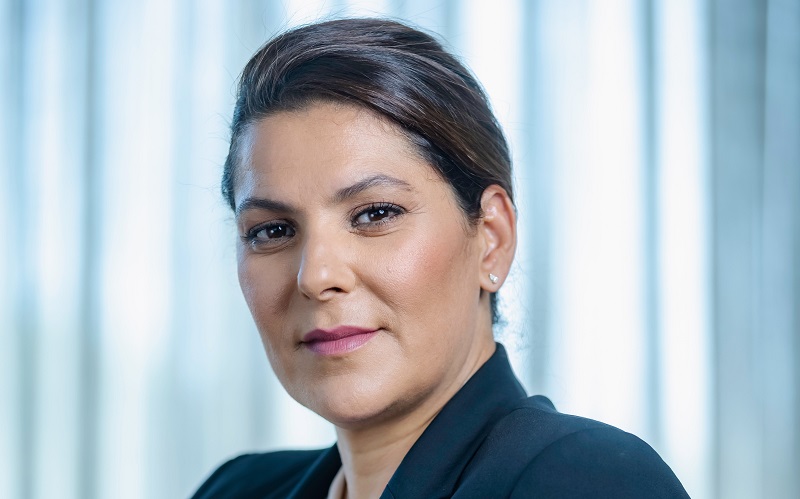
King Mohammed VI of Morocco has appointed Fatima Ezzahra El Mansouri as the country's first female prime minister. This historic decision marks a major milestone for gender equality and political representation in North Africa.
In-Depth Analysis
In a momentous and truly historic political development, King Mohammed VI of Morocco has appointed Fatima Ezzahra El Mansouri as the country's first female prime minister. This groundbreaking decision marks a watershed moment in the North African nation's political history, signaling a progressive shift toward greater gender parity and female leadership at the highest echelons of government.
A Groundbreaking Appointment
Fatima Ezzahra El Mansouri stepped into the national spotlight following a royal decree issued by King Mohammed VI. The appointment has been met with widespread acclaim from civil rights organizations, political analysts, and citizens across Morocco, who view the move as a long-overdue triumph for women's empowerment. By selecting El Mansouri for the premiership, the Moroccan monarchy has demonstrated a commitment to modernizing the nation's political landscape and integrating talented women into vital decision-making roles.
Background and Political Career
Before ascending to the office of prime minister, El Mansouri established a formidable reputation as a dynamic and reform-minded politician. Born in Marrakech, she pursued rigorous academic training in law before entering public service. Her sharp administrative acumen and dedication to urban development propelled her into prominence, notably serving as the mayor of Marrakech. During her tenure as mayor, she earned high praise for implementing modernization initiatives, improving municipal infrastructure, and enhancing transparency in local governance.
Her leadership within her political party further solidified her status as a formidable national figure. Known for her pragmatic approach to governance and her unwavering advocacy for social justice, El Mansouri successfully navigated the complex dynamics of Moroccan politics. Her ability to build consensus across diverse political factions made her an ideal candidate to lead the government during a period of crucial economic and social transformation.
National and International Significance
Political experts have hailed the appointment as a significant milestone not only for Morocco but for the broader Middle East and North Africa (MENA) region. Women have steadily made inroads into various sectors of Moroccan society, including parliament and the judiciary, but holding the premier executive position is an unprecedented leap forward. International leaders and diplomatic missions have extended warm congratulatory messages, praising King Mohammed VI for his visionary leadership and acknowledging El Mansouri's exceptional qualifications.
Challenges Ahead
As Morocco's new prime minister, El Mansouri faces a demanding agenda. Her administration will need to address pressing domestic challenges, including economic diversification, youth unemployment, climate resilience, and water scarcity. Furthermore, she will play a pivotal role in maintaining Morocco's strategic diplomatic alliances and fostering regional stability.
With her proven track record of effective governance and crisis management, supporters remain confident that El Mansouri is well-equipped to steer the nation forward. Her premiership is expected to inspire a new generation of young Moroccan women to pursue careers in public service, politics, and leadership, cementing a lasting legacy of empowerment and progress.
How do you feel about this story?
Discussion
No comments yet. Be the first to share your thoughts.
Join the discussion
Sign in to share your thoughts on this story.