BNN Summary
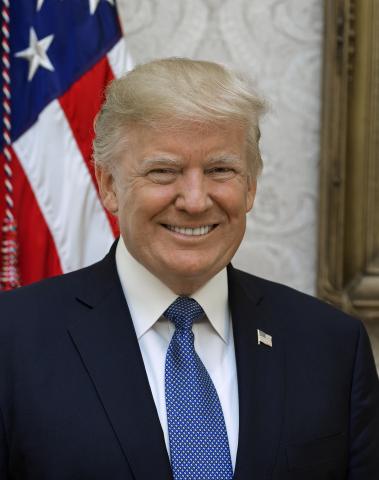
Across nine crucial Senate races, five Republican candidates are deliberately distancing themselves or refusing to commit to joint campaign appearances with Donald Trump. This strategic hesitancy highlights the tightrope conservative nominees must walk as they attempt to balance loyal Trump supporters with moderate and independent voters in competitive states.
In-Depth Analysis
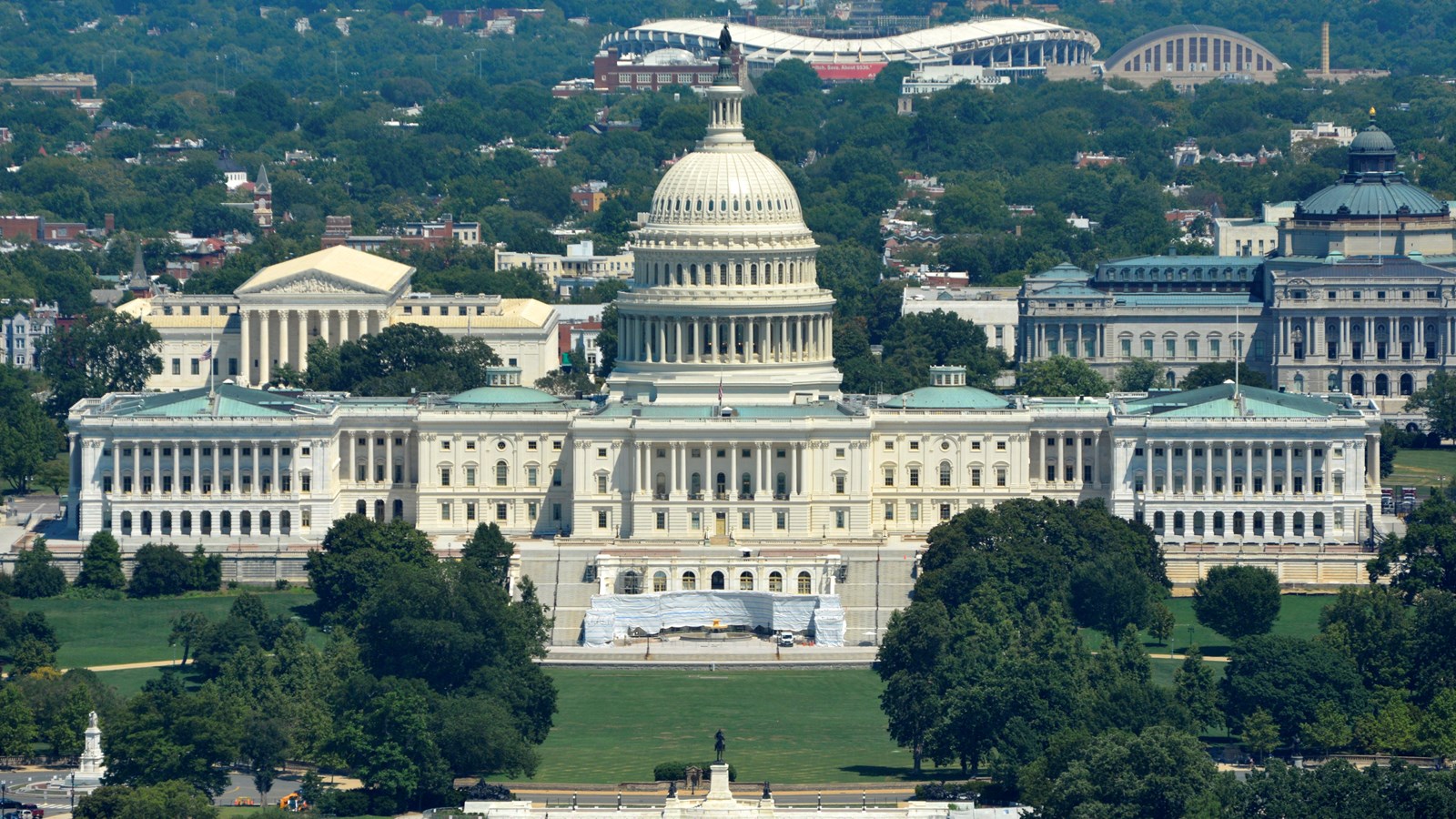
The political landscape leading up to the upcoming midterm and general elections is proving to be a complex arena for the Republican Party, particularly in high-stakes Senate contests across the nation. Recent reports indicate that in nine critical Senate races that could ultimately determine control of the upper chamber of Congress, five prominent Republican nominees have declined to firmly commit to campaigning alongside former President Donald Trump.
This strategic reluctance underscores a profound strategic calculation being made by Republican strategists and candidates alike. While Trump remains a powerful and animating force for a substantial portion of the conservative base, his polarizing nature presents significant hurdles when trying to appeal to crucial suburban, independent, and moderate voters who often decide the outcome in swing states.
The Strategic Dilemma in Competitive States
Senate campaigns in battleground and traditionally red states have transformed into intensely watched arenas. Candidates are forced to carefully calibrate their messaging and public appearances. For nominees who have secured their party's nomination through enthusiastic support from the grassroots conservative base, publicly embracing Trump is often seen as a prerequisite for maintaining base enthusiasm. However, general election dynamics demand a broader coalition of support.
Political analysts note that candidates refusing to commit to joint rallies or campaign stops with Trump are employing a classic balancing act. By keeping the former president at arm's length during public campaign events, these nominees hope to reassure undecided voters that they will act as independent legislators, all while signaling to Trump loyalists that their conservative policy priorities remain aligned.
Implications for Control of the Senate
The balance of power in the United States Senate rests heavily on the outcomes of these closely contested races. With the legislative body currently divided on razor-thin margins, every single seat carries immense national significance. The decision of these five Republican candidates to navigate their relationships with Trump independently could either shield them from alienating moderates or risk dampening turnout among fervent Trump supporters who expect total unity.
Democratic opponents have been quick to seize upon these tactical divisions, attempting to paint hesitant Republican nominees as either untrustworthy to the conservative base or inextricably linked to Trump's most controversial policies, depending on the specific audience being targeted. Meanwhile, national Republican campaign committees are quietly advising local candidates to focus on pressing economic issues, inflation, and national security rather than getting bogged down in debates over national personalities.
As the election cycle progresses, the visibility of Donald Trump on the campaign trail will likely remain a fluctuating variable. Whether this distance-keeping strategy proves successful for these five Republican candidates will only become clear once voters cast their ballots in November, testing the enduring electoral weight of the Trump endorsement in a fractured political environment.
How do you feel about this story?
Discussion
No comments yet. Be the first to share your thoughts.
Join the discussion
Sign in to share your thoughts on this story.