BNN Summary
Young populations hold the potential to reshape political landscapes globally, provided that outdated policy frameworks and institutional barriers do not stifle their engagement, innovative ideas, and active participation in governance.
In-Depth Analysis
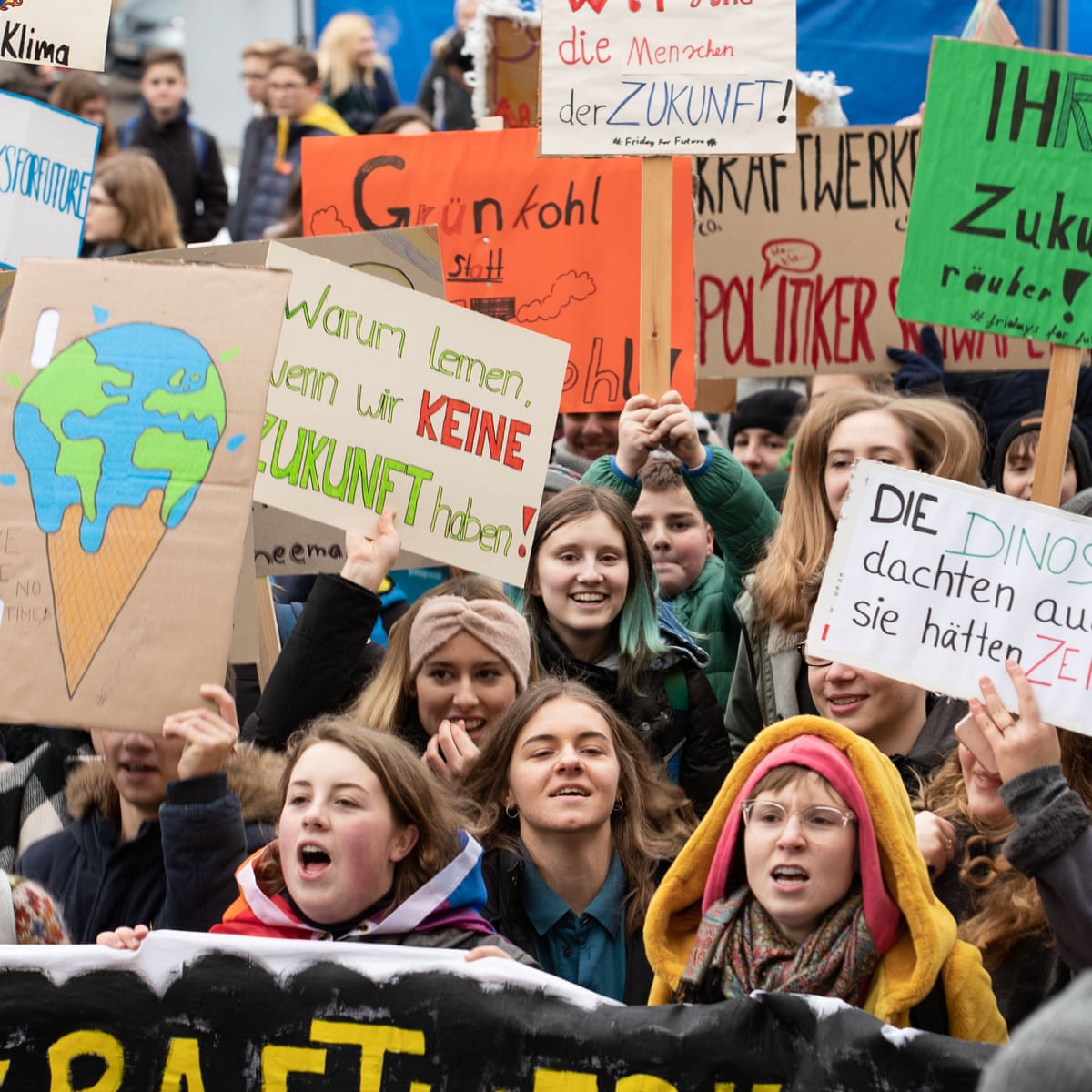
The contemporary political landscape faces a profound transformation as the younger generation demands a more prominent seat at the table. Across democratic societies, youth participation has emerged as a critical catalyst for institutional reform, social justice, and economic modernization. However, this growing enthusiasm often collides with rigid bureaucratic structures and traditional policy frameworks that inadvertently silence fresh perspectives.
Political analysts and sociologists frequently emphasize that nations with burgeoning youth demographics possess a unique demographic dividend. When channeled effectively, young voices can revitalize stagnant political parties, introduce forward-thinking environmental and technological policies, and bridge deep societal divides. Unfortunately, many current governance models remain anchored in the past, viewing youth activism with skepticism rather than embracing it as an engine for constructive development.
Barriers to Meaningful Political Engagement
One of the primary obstacles preventing young individuals from entering the political arena is the existence of restrictive candidacy age requirements. In numerous jurisdictions, laws dictate that citizens must reach an advanced age before they can run for major legislative positions. This creates an artificial barrier, effectively alienating millions of politically conscious individuals who are legally old enough to vote, pay taxes, and serve in the workforce, but are deemed insufficiently experienced to craft laws.
Furthermore, campaign finance structures heavily favor established political figures and traditional parties. The high cost of modern campaigning means that young aspirants, who rarely possess substantial wealth or deep-pocketed corporate backing, struggle to mount viable electoral bids. This financial threshold reinforces a gerontocracy where political power remains concentrated in the hands of older generations, ultimately leading to policies that favor incumbent interests over long-term sustainability.
The Impact of Stifled Policy on Innovation
When government policies fail to adapt to the realities of a modern, interconnected world, the consequences extend far beyond mere political frustration. Issues such as climate change, digital privacy, artificial intelligence regulation, and flexible labor markets require agile, forward-looking solutions. Young people are often at the forefront of these sectors, possessing an intuitive understanding of the technological and ecological crises that will define the coming decades.
When policy frameworks stifle these voices, societies risk falling behind globally. Innovation suffers when regulatory bodies refuse to consult with younger entrepreneurs, scientists, and activists who challenge the status quo. Bureaucratic red tape and archaic legal definitions often criminalize or marginalize grassroots movements, turning energetic civic participation into adversarial confrontation.
Pathways Toward Inclusive Governance
To unlock the true potential of youth-driven political change, structural reforms must be implemented at multiple levels of government. Lawmakers must consider lowering the minimum age for running for office, fostering mentorship programs within political institutions, and introducing transparent campaign financing laws that level the playing field for independent and young candidates.
Additionally, educational systems must incorporate comprehensive civic literacy programs that go beyond rote memorization of government structures. Encouraging critical thinking, debate, and community involvement from an early age ensures that future generations enter adulthood equipped to navigate and reform complex political ecosystems.
Ultimately, the vitality of a democracy is measured by its ability to absorb new ideas and adapt to changing times. By dismantling barriers and listening to the aspirations of the young, societies can build resilient, inclusive, and forward-thinking political systems capable of addressing the multifaceted challenges of the twenty-first century.
How do you feel about this story?
Discussion
No comments yet. Be the first to share your thoughts.
Join the discussion
Sign in to share your thoughts on this story.