BNN Summary
World leaders frequently gather at the United Nations to emphasize collective responsibility and international unity in addressing planetary challenges. However, translating high-level diplomatic rhetoric into concrete, actionable policies remains a persistent challenge for the global community.
In-Depth Analysis
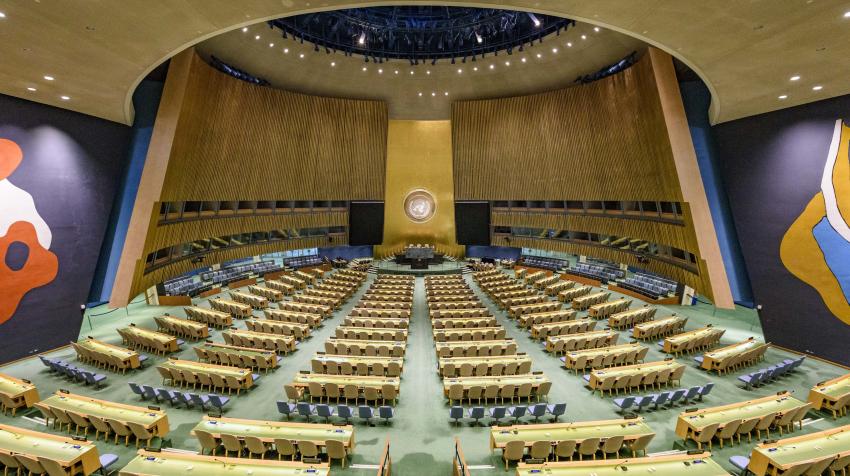
The annual gatherings of global leaders at the United Nations headquarters in New York frequently echo a central, resonant theme: humanity is in this together. From climate change mitigation and economic inequality to armed conflicts and public health crises, heads of state routinely take to the podium to declare that global challenges require global solutions. Yet, beneath the polished rhetoric of diplomatic solidarity lies a complex web of national interests, sovereign priorities, and geopolitical rivalries that often stymies effective action.
The Rhetoric Versus Reality Gap
When leaders speak of collective survival and shared destiny, they articulate an ideal rooted in multilateralism. The post-World War II international order was built on the premise that nations could avoid catastrophic conflicts and manage transnational issues through institutional cooperation. However, the operational reality of the United Nations is starkly different from its aspirational goals. The organization functions as a forum for sovereign states, meaning its decisions depend heavily on voluntary compliance and political consensus among nations with vastly differing values and economic capacities.
For instance, during climate summits, developing nations often argue that wealthy industrialized countries, having historically contributed the most greenhouse gas emissions, must bear the primary financial and technological burden of the green transition. Conversely, developed economies frequently demand binding commitments from emerging economic powerhouses before releasing funds for climate adaptation. This tug-of-war transforms cooperative frameworks into protracted negotiations where urgent planetary imperatives are delayed by domestic political pressures and economic competition.
Mechanisms of Multilateralism
How does international cooperation actually work in practice? The machinery of the United Nations operates through specialized agencies, treaties, peacekeeping missions, and General Assembly resolutions.
- Diplomatic Negotiation: Countless hours are spent drafting resolutions and treaties that attempt to balance the demands of nearly two hundred member states. The resulting documents are often compromises that dilute ambitious goals to secure universal sign-off.
- Financial Commitments: Global funds are established to address specific crises, such as pandemic preparedness or poverty reduction. However, donor nations frequently fall short of their pledged financial contributions, leaving vital programs underfunded.
- Enforcement Challenges: Unlike domestic governments, the United Nations lacks a centralized police force or a sovereign taxation system. The Security Council, tasked with maintaining international peace and security, is frequently paralyzed by the veto power held by its five permanent members.
The Path Forward for Global Governance
Despite these structural limitations, dismissing the United Nations or multilateral cooperation would ignore the profound achievements of international diplomacy. Eradicated diseases, regulated international aviation, maritime laws, and coordinated humanitarian disaster relief are testaments to what nations can accomplish when they align their efforts.
To bridge the gap between lofty declarations and practical execution, experts argue that global governance must evolve. This includes reforming outdated institutional structures to better reflect the geopolitical realities of the twenty-first century, fostering greater transparency, and ensuring that non-state actors, civil society, and local communities have a voice in shaping international policies.
Ultimately, the declaration that 'we are in this together' is not merely a diplomatic platitude; it is an objective description of a tightly interconnected world. Whether global leaders can transform that realization into effective, timely action will determine the trajectory of human civilization in the decades to come.
How do you feel about this story?
Discussion
No comments yet. Be the first to share your thoughts.
Join the discussion
Sign in to share your thoughts on this story.