BNN Summary
India is experiencing a profound electoral crisis driven by declining public trust in democratic institutions. Critics and civil society groups raise concerns over transparency, the autonomy of electoral bodies, and the fairness of the voting process, threatening the core of the nation's democratic framework.
In-Depth Analysis
The world's largest democracy is currently navigating a complex electoral crisis that has brought questions of institutional integrity and public trust to the forefront of national discourse. As India continues to assert its position as a global superpower, critics, civil society organizations, and political analysts argue that the foundation of its democratic framework is under unprecedented stress.
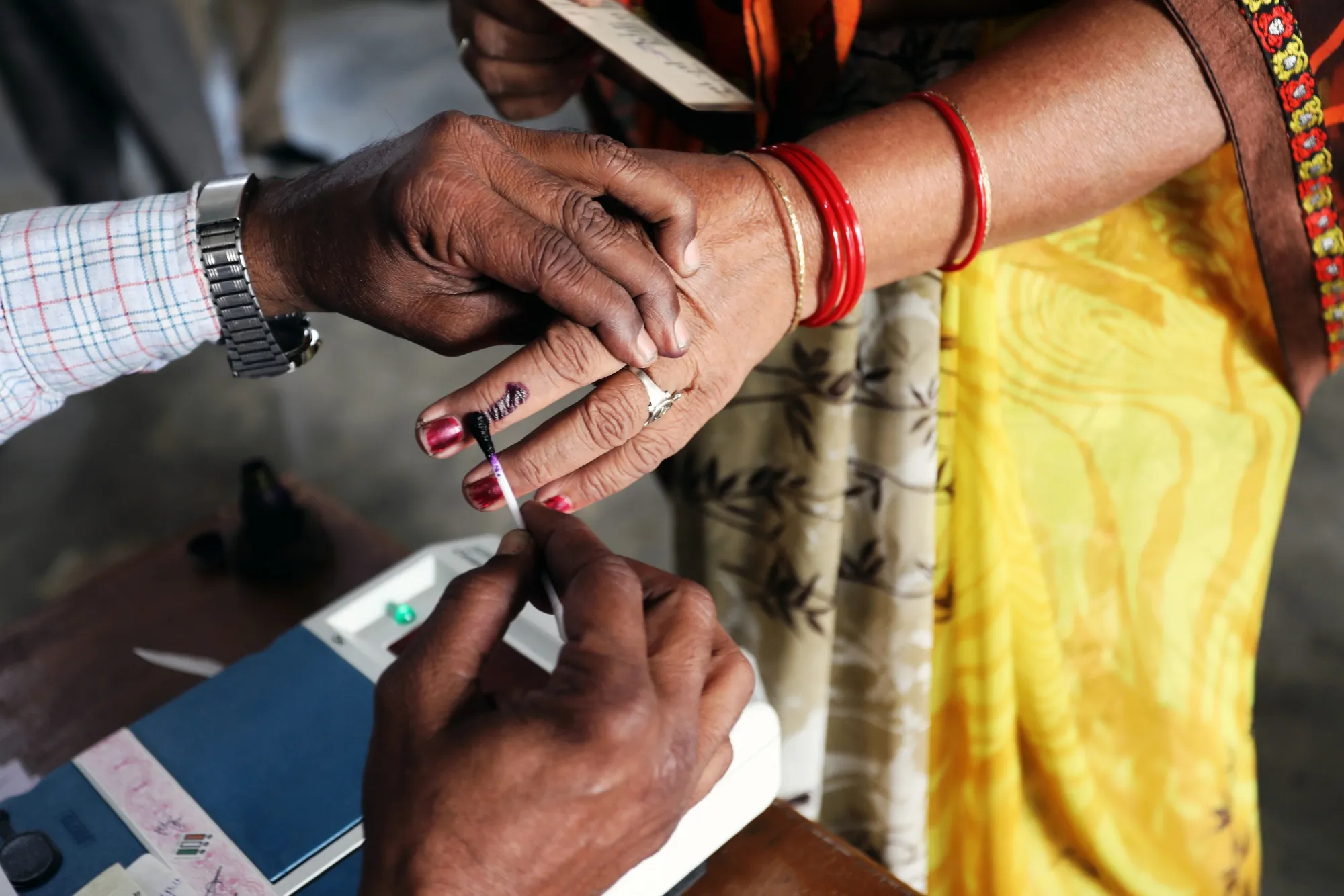
At the heart of this crisis is a growing skepticism regarding the independence and neutrality of key oversight institutions. Observers point to various controversies surrounding the administration of recent elections, ranging from allegations of administrative bias to concerns over the transparency of electronic voting machines. While election authorities maintain that the current system is robust, secure, and tamper-proof, public confidence has undeniably wavered.
The Role of Electoral Autonomy
Independent election commissions are traditionally viewed as the ultimate arbiters of democracy. However, recent legislative changes regarding the appointment processes of top election officials have sparked intense debate. Critics contend that these modifications dilute the checks and balances necessary to ensure impartial oversight, potentially tipping the scales in favor of the ruling administration. This perceived erosion of autonomy has fueled widespread anxiety among opposition parties and civic groups who demand greater accountability and transparency.
Furthermore, the unequal playing field in campaign financing has emerged as a major point of contention. The opaque nature of political funding mechanisms has allowed vast sums of money to flow into election campaigns, raising fears of corporate capture and undue influence over policy decisions. Civil society organizations have continuously pushed for comprehensive electoral financing reforms to restore a level playing field for all political participants.
Information Dissemination and Media Landscapes
The crisis of trust extends far beyond the voting booths, encompassing the broader information ecosystem. The rapid proliferation of digital media, alongside traditional broadcast channels, has transformed how political campaigns are conducted. However, the rise of coordinated disinformation campaigns, hate speech, and partisan narratives has severely distorted public discourse. Voters are increasingly finding it difficult to distinguish between factual reporting and targeted propaganda, leading to a polarized electorate.
Independent journalism, a vital pillar of any healthy democracy, faces mounting pressures. Journalists reporting on electoral discrepancies or government accountability often encounter legal hurdles and intimidation. This shrinking space for dissent further compromises the public's right to access unbiased information necessary for making informed electoral choices.
Impact on Democratic Participation
Despite these challenges, voter turnout in various regional and national polls remains remarkably high, demonstrating the Indian citizenry's enduring commitment to the democratic process. Citizens continue to view the ballot box as their primary tool for civic expression and accountability. However, high voter turnout alone does not fully reflect the health of a democracy if the underlying processes are marred by systemic inequities.
To address this escalating crisis, constitutional experts and democracy advocates have called for urgent structural reforms. Key recommendations include:
- Strengthening the independence of appointment committees for electoral regulators.
- Enhancing transparency in political donations and campaign expenditures.
- Implementing stricter regulations against the spread of electoral disinformation.
- Protecting the rights of journalists and civil society watchdogs to ensure unhindered public oversight.
As India looks toward future electoral cycles, the restoration of public trust remains an existential imperative. Safeguarding the sanctity of the ballot is not merely a technical challenge for election administrators, but a moral and political necessity for preserving the democratic ethos of the nation. Without meaningful dialogue and corrective measures, the widening trust deficit threatens to undermine the legitimacy of India's democratic institutions for generations to come.
How do you feel about this story?
Discussion
No comments yet. Be the first to share your thoughts.
Join the discussion
Sign in to share your thoughts on this story.