BNN Summary
The Election Commission of India has issued an interim order barring competing factions of the Trinamool Congress from using the official party name and symbol in the upcoming West Bengal assembly bypolls. This unprecedented move comes amid a severe internal leadership struggle and factional war within the regional party, creating significant political uncertainty ahead of the crucial electoral contest.
In-Depth Analysis
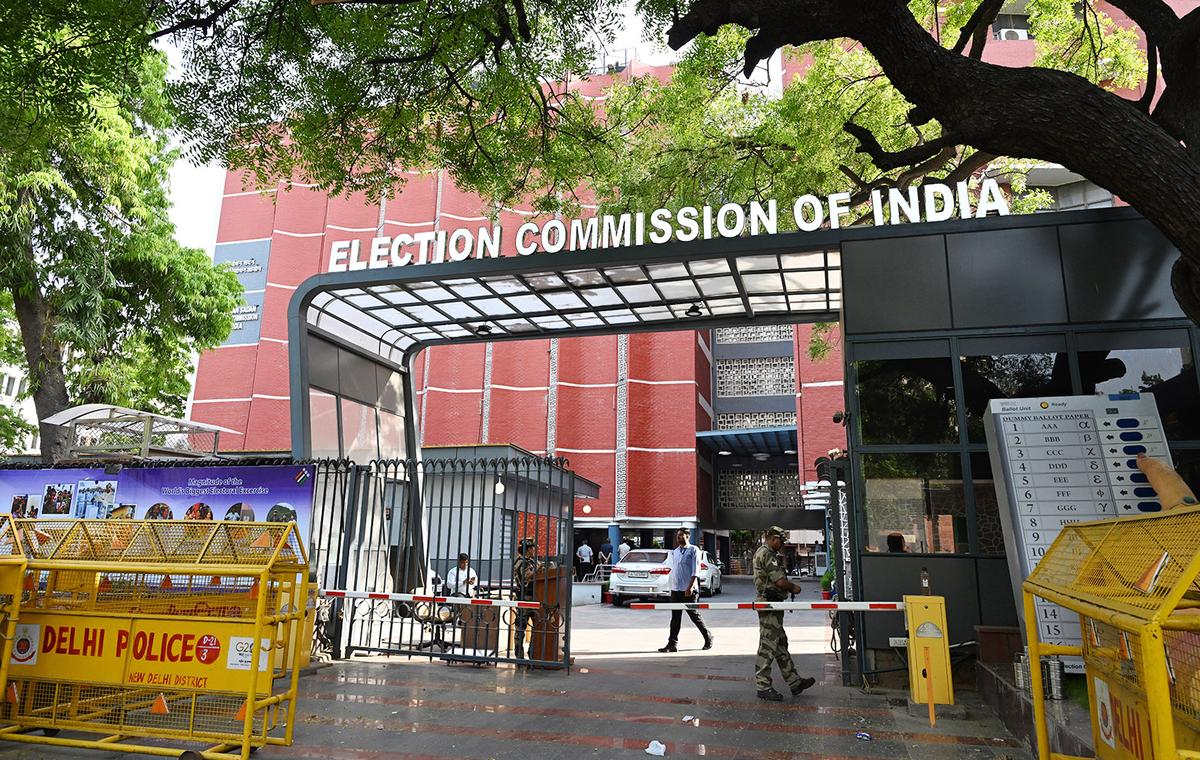
The Election Commission of India (ECI) has stepped into a major political crisis in West Bengal, issuing a stringent interim order that halts both rival factions of the Trinamool Congress (TMC) from utilizing the party's official name and its recognizable election symbol for the upcoming legislative assembly bypolls. The decisive regulatory intervention follows weeks of escalating infighting, intense factional disputes, and conflicting claims over the legitimate leadership and control of the prominent regional political organization.
According to details released by the election authority, the interim measure was deemed necessary to maintain public order, ensure a level playing field, and prevent voter confusion during the election cycle. Both warring camps had submitted formal petitions to the commission, asserting exclusive rights over the party apparatus, financial accounts, and the designated election symbol. Unable to resolve the complex dispute instantly through summary proceedings, the poll panel opted to freeze the assets temporarily until a thorough investigation and formal hearings are concluded.
Background of the Factional Rift
The roots of the current crisis trace back to months of silent discontent within the upper echelons of the Trinamool Congress, which eventually erupted into open warfare. Disagreements over organizational appointments, candidate selection strategies for local bodies, and overall party direction created deep fault lines between the established leadership and dissident groups. As rhetoric escalated, leaders from both factions proclaimed themselves as the true torchbearers of the movement, prompting separate delegations to knock on the doors of the Election Commission.
The public display of division threatened to derail the party machinery just as the state gears up for high-stakes assembly by-elections. Opposition parties have been closely watching the unfolding drama, hoping to capitalize on the internal turmoil. Political analysts note that the freezing of the symbol strips both factions of a vital psychological and branding advantage, forcing candidates to either contest as independents or under newly assigned temporary identities.
Impact on the Upcoming Bypolls
With the formal symbol and name placed under regulatory freeze, the immediate operational reality for local candidates has changed drastically. Campaigns that relied heavily on the traditional imagery associated with the party now face the arduous task of educating rural and urban voters about their new provisional identifiers. Party workers have expressed deep concern over how the electorate will react at the polling booths, fearing that confusion might lead to spoiled ballots or suppressed voter turnout.
Legal experts suggest that the interim order is standard administrative practice by the Election Commission under the relevant provisions governing symbol disputes. However, the political fallout within West Bengal is expected to be profound. Both factions have vowed to legally challenge the restrictions while simultaneously preparing their ground forces to campaign under the adversity.
Next Steps and Legal Proceedings
The Election Commission has scheduled a series of comprehensive hearings where both factions must present documentary evidence, including affidavits from elected representatives, organizational office-bearers, and general members, to substantiate their claims of majority support. The final adjudication could take several months, meaning the long-term leadership structure of the party hangs in the balance.
As the bypolls draw closer, the political landscape in West Bengal remains exceptionally volatile. The ECI's firm stance underscores the critical importance of maintaining institutional neutrality and electoral integrity amidst internal party fractures.
How do you feel about this story?
Discussion
No comments yet. Be the first to share your thoughts.
Join the discussion
Sign in to share your thoughts on this story.