BNN Summary
An analysis of the recent Election Commission affidavit reveals a notable omission regarding the detailed break-up of Special Information Review appeals in West Bengal. The missing data involves specific counts for the inclusion and exclusion of voter names, sparking questions regarding administrative transparency and electoral data management in the state.
In-Depth Analysis
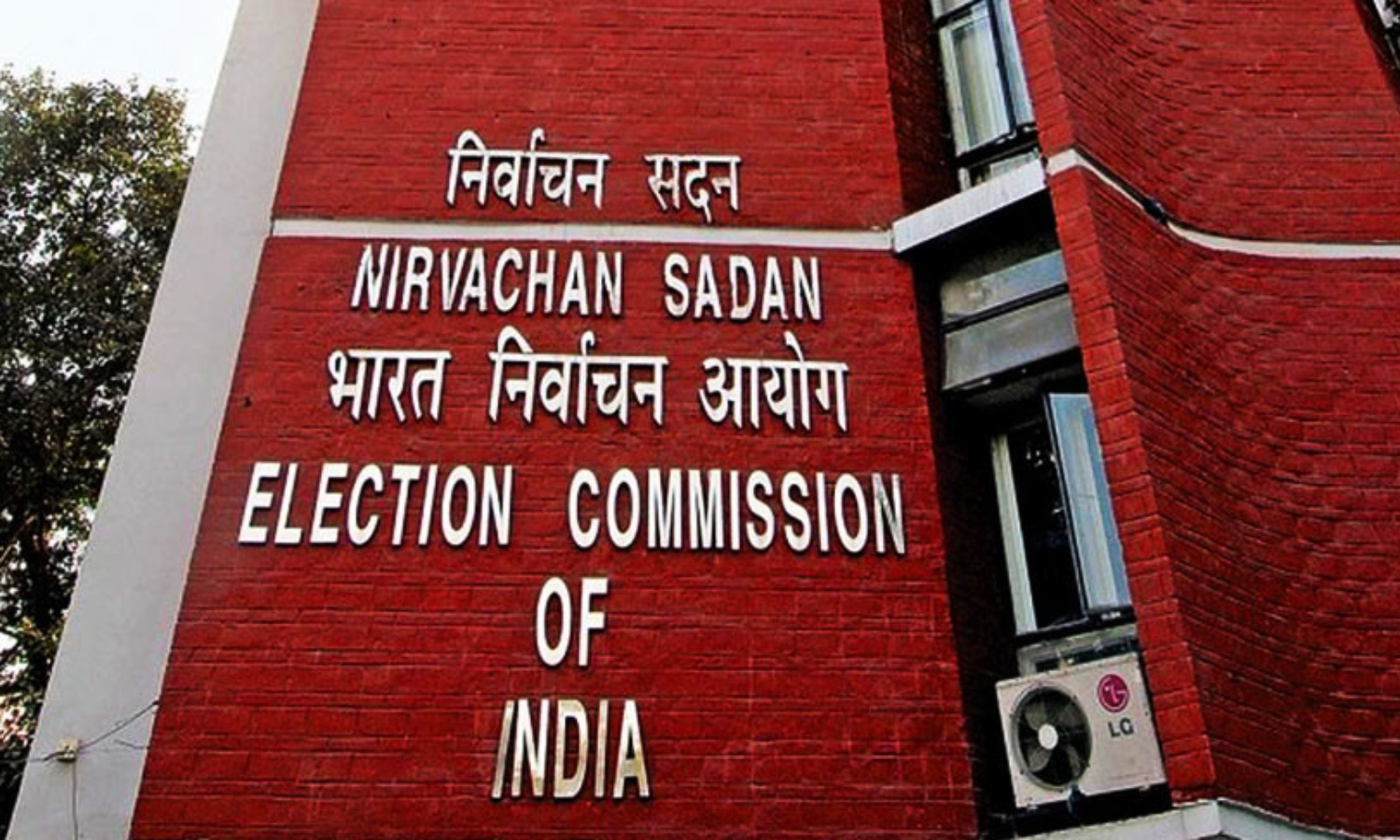
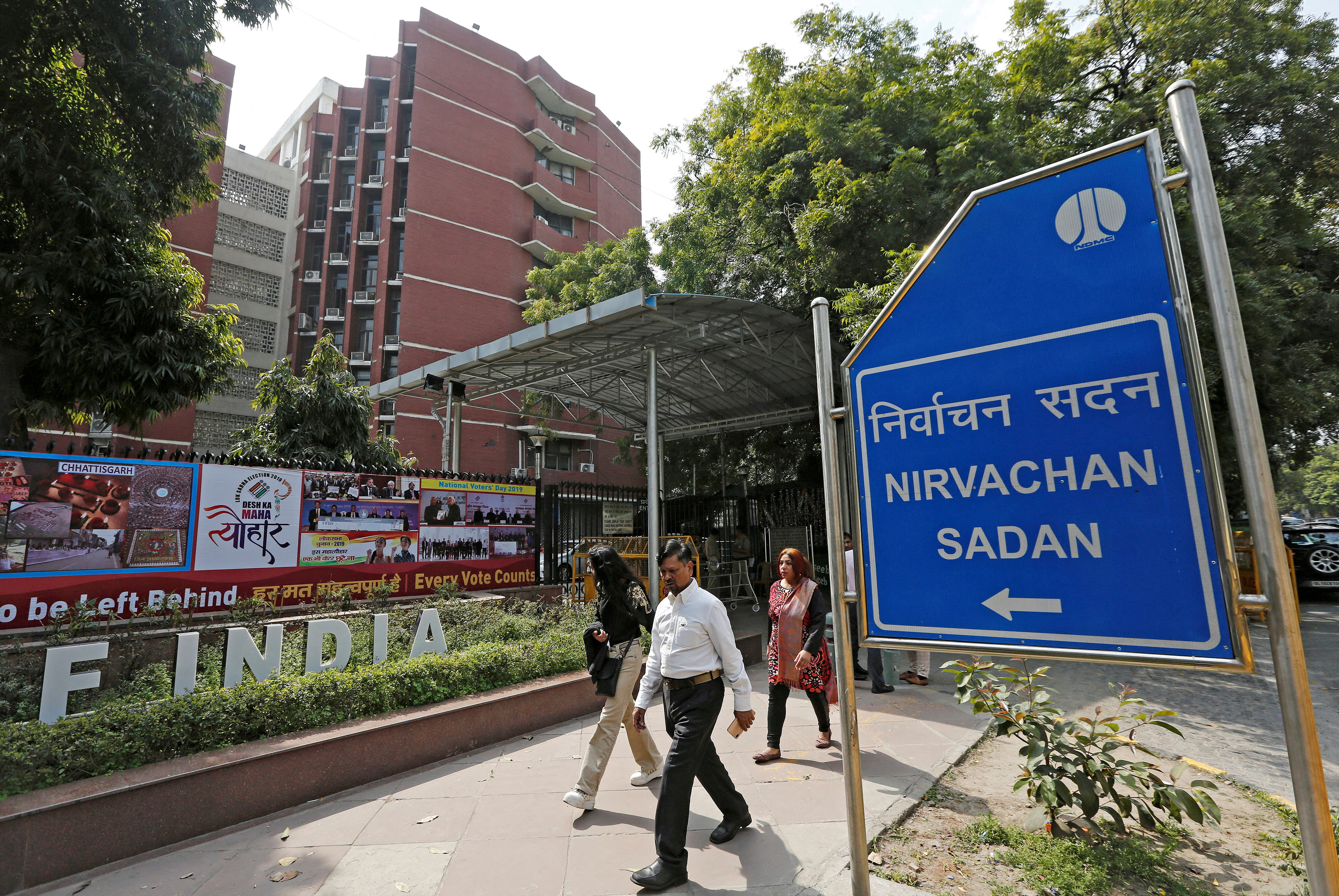
Arecent review of the affidavit submitted by the Election Commission has brought to light a significant information gap regarding the electoral rolls in West Bengal. Specifically, the official document lacks the detailed break-up of Special Information Review (SIR) appeals filed for the inclusion and exclusion of voter names across various constituencies in the state.
Electoral transparency advocates and political analysts have expressed concern over the missing metrics. The Special Information Review process is a critical component of maintaining accurate voter rolls, ensuring that eligible citizens are not disenfranchised while unauthorized entries are systematically removed. Without a comprehensive statistical break-up of these appeals, stakeholders find it challenging to independently verify the scale and nature of modifications made to the electoral lists.
According to sources familiar with the election administration process, the affidavit provides aggregate figures but fails to break down the data into granular categories. This includes the exact number of applications submitted for name insertions versus objections raised for name deletions, along with the subsequent disposal rates of these appeals by local election authorities. The absence of this vital data has triggered discussions among political parties regarding the need for greater accountability and detailed reporting in pre-election preparations.
In related administrative developments, public discourse in various regions has also touched upon urban infrastructure and local grievances. For instance, representatives of the Krishi Bhawan mosque panel recently sought official clarity regarding the long-term fate of their structure, urging authorities to ensure its preservation or to allocate a suitable alternate prayer site if redevelopment plans necessitate changes. Similarly, grassroots economic discussions in busy commercial hubs like Chandni Chowk highlight everyday financial challenges, with local merchants voicing concerns over the burden of Unified Payments Interface (UPI) transaction fees in a rapidly cashless economy.
However, the omission in the Election Commission affidavit remains the primary focus for legal experts and electoral watchdogs. Accurate maintenance of voter lists is foundational to democratic integrity. Observers argue that granular data on SIR appeals is essential for monitoring administrative efficiency and preventing any systemic bias in voter roll revisions. As political preparations intensify, pressure is mounting on election officials to release comprehensive addendums that clarify the exact breakdown of inclusion and exclusion appeals in West Bengal.
Moving forward, transparency international groups and opposition leaders are expected to formally request the detailed statistics from the statutory body. Ensuring that every eligible voter retains their franchise without administrative hurdles requires open access to such foundational electoral datasets. The Election Commission is yet to issue a detailed public statement addressing the specific omissions noted in the recent affidavit filing.
How do you feel about this story?
Discussion
No comments yet. Be the first to share your thoughts.
Join the discussion
Sign in to share your thoughts on this story.