BNN Summary
Aprofound generational shift is reshaping India's social and political landscape, as the nation's youth increasingly prioritize national aspirations over traditional regional loyalties. Fueled by widespread social media use, intense competition in national examinations, and a pursuit of opportunities across state borders, this new demographic exhibits a declining resonance with regional exceptionalism. This trend signals a potential reordering of political dynamics, favoring national narratives and parties over localized ones, as evidenced by challenges faced by traditionally strong regional entities.
In-Depth Analysis
India is currently witnessing a significant sociological evolution, driven primarily by its younger demographic. A new generation of Indians is increasingly unbound by the traditional strictures of regionalism, instead forging a more unified national identity. This pivotal shift, fueled by evolving patterns of social interaction, educational pursuits, and career aspirations, marks a departure from historical political and social allegiances that often emphasized state-specific identities.
At the heart of this transformation is the pervasive influence of social media. Unlike previous generations, today's youth are constantly exposed to a pan-Indian, and often global, stream of information, culture, and opinions. Platforms like Instagram, X (formerly Twitter), and YouTube transcend linguistic and geographical barriers, creating shared national conversations and cultural touchpoints. Viral trends, national news events, and popular entertainment are consumed simultaneously across the country, fostering a collective consciousness that diminishes the salience of regional differences. This digital interconnectedness means that issues of national importance often resonate more deeply than purely local concerns, creating a broader, shared understanding of India's challenges and opportunities. The politics of regional exceptionalism, resonates less with a generation that consumes social media, competes in national examinations, aspires to national....
Another critical factor is the intense competition for admission into prestigious national educational institutions and for coveted positions in national examinations. Examinations like the UPSC Civil Services Exam, JEE for engineering, and NEET for medical sciences are intrinsically national in scope. Preparing for these exams requires a national curriculum, fosters competition among peers from diverse linguistic and cultural backgrounds, and instills an ambition that often looks beyond state boundaries. Aspirants from across India vie for the same limited seats and jobs, leading to a natural gravitation towards national standards and a meritocratic outlook that transcends regional quotas or preferences. This shared crucible of national competition creates a common experience and fosters a sense of belonging to a larger Indian academic and professional community, rather than merely a state-level one. The aspiration to succeed on a national stage naturally diminishes the allure of purely regional pathways.
Furthermore, the increasing mobility of young Indians for both education and employment plays a crucial role. Economic liberalization and the growth of national industries have created job markets that demand relocation and flexibility. Young professionals are increasingly willing to move to different states—from the IT hubs of Bengaluru and Hyderabad to the financial centers of Mumbai and Delhi—in pursuit of better career opportunities and quality of life. This geographical mobility leads to significant cultural exchange and integration. Living and working alongside individuals from various parts of India broadens perspectives, breaks down stereotypes, and fosters a sense of shared Indian identity. Marriages across state lines, inter-regional friendships, and exposure to diverse regional cuisines and traditions further solidify this pan-Indian outlook, diluting strong parochial sentiments.
The entertainment and media landscape has also evolved dramatically. While regional cinema and television remain popular, the rise of national streaming platforms (OTT services) offering content in multiple languages with subtitles, along with the dominance of national news channels and Bollywood, has created a more unified cultural narrative. Young Indians are exposed to stories, heroes, and cultural references that are nationally recognized, fostering a common cultural lexicon. This shared consumption of national media content reinforces a sense of collective Indian identity, making regional cultural boundaries feel less rigid and more permeable. The cultural touchstones of this generation are often pan-Indian, ranging from national sporting events to globally trending music and internet memes.
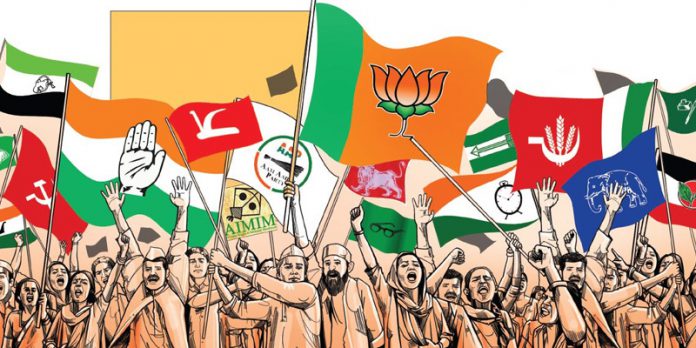
This generational shift has profound implications for India's political landscape. Traditionally strong regional parties, which often thrived on appeals to regional identity, language, and local grievances, may find their influence waning as this new generation comes of voting age. The ‘implosion’ suggested in the source title for parties like the Trinamool Congress (TMC), though not detailed in this context, hints at the challenges regional parties face in adapting to this changing electorate. Young voters, prioritizing national issues such as economic growth, employment, good governance, and national security, may increasingly gravitate towards national parties that offer broader visions and a more cohesive national agenda. This could lead to a rebalancing of power within India's federal structure, potentially strengthening the mandate of national political entities and prompting regional parties to either broaden their appeal or risk diminishing relevance. The declining resonance of regional exceptionalism among the youth necessitates a re-evaluation of political strategies, pushing parties to articulate visions that speak to a pan-Indian identity and national aspirations rather than confined regional interests.
In essence, India's youth are not just a demographic bulge; they are a transformative force. Their engagement with social media, pursuit of national excellence through competitive exams, willingness to embrace mobility for career growth, and consumption of national media are collectively eroding the foundations of traditional regionalism. This phenomenon points towards a future where a shared national identity becomes increasingly paramount, shaping not only individual aspirations but also the broader social and political trajectory of the nation.
How do you feel about this story?