BNN Summary
Prime Minister and senior BJP leader Narendra Modi has reaffirmed his unwavering commitment to transforming India into a developed nation by 2047, actively working 24/7 towards this ambitious goal. This vision is a central theme in the high-octane campaign for the Lok Sabha elections, particularly as the nation progressed through its crucial third phase. The campaign highlights comprehensive national development, economic prosperity, and social advancement, aligning electoral choices with India's long-term aspirations.
In-Depth Analysis
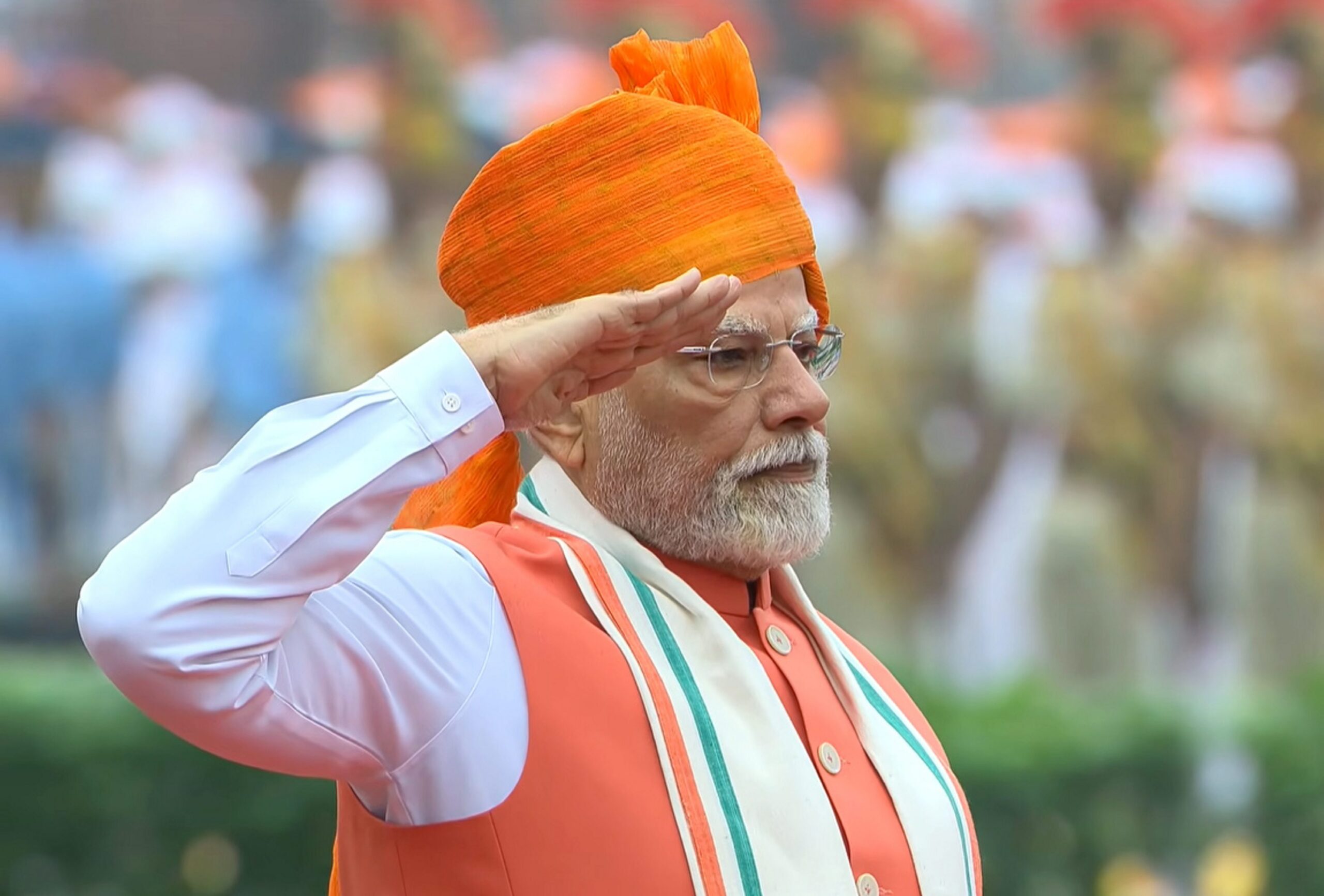
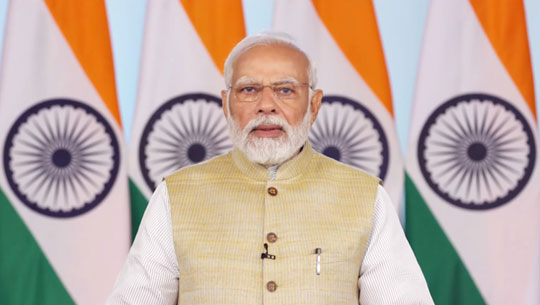
Prime Minister and senior BJP leader Narendra Modi has emphatically reiterated his profound commitment to sculpting India into a developed nation by the year 2047, a landmark coinciding with the centenary of the nation's independence. He underscored his continuous dedication, stating he is working '24 by 7' with this singular vision in mind. This ambitious national objective formed a cornerstone of the Bharatiya Janata Party's (BJP) electoral narrative during the ongoing high-octane Lok Sabha elections, particularly prominent as campaigning concluded for the third phase.
The 'Viksit Bharat @2047' initiative encapsulates a comprehensive national blueprint aimed at achieving holistic and sustainable development across various critical sectors. At its core, the vision projects India as an economically prosperous nation, targeting a substantial Gross Domestic Product (GDP) ranging from USD 30 trillion to USD 40 trillion by 2047. This economic expansion is anticipated to significantly boost the per capita income of citizens, aiming for levels between USD 15,000 and USD 18,000. Beyond mere economic metrics, the framework emphasizes social advancement, striving for an ambitious goal of zero poverty through inclusive development and financial empowerment. It further prioritizes ensuring universal access to quality education and healthcare, alongside a substantial increase in female participation within the economy.
The vision is structured around four key pillars: youth, the poor, women, and farmers, aiming for inclusive and sustainable development in areas such as economic prosperity, social advancement, environmental sustainability, and effective governance. The initiative envisions India emerging as a leading global power, providing its citizens with high standards of living and ensuring equitable growth for all, with a strong emphasis on self-reliance.
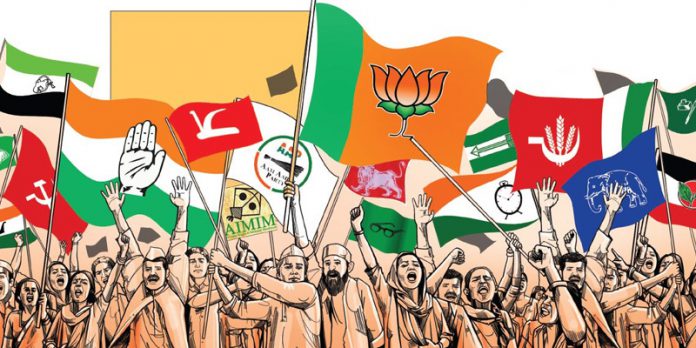
The Lok Sabha elections, particularly the vigorously contested third phase, served as a crucial platform for political parties to present their agendas aligned with or in contrast to this overarching national vision. Polling for this pivotal phase took place on May 7, 2024, encompassing 94 constituencies spread across 12 states and Union Territories. These included significant electoral battlegrounds in Assam, Bihar, Chhattisgarh, Goa, Gujarat, Jammu and Kashmir, Karnataka, Maharashtra, Madhya Pradesh, Uttar Pradesh, and West Bengal. This phase marked the completion of roughly half of the electoral journey, with 93 constituencies going to polls, representing 52% of the total 543 parliamentary constituencies.
Campaigning for this phase was characterized by intense activity, with 'star leaders' from various political parties engaging in back-to-back rallies and public addresses to garner support for their candidates. The BJP's campaign, led by Prime Minister Modi, heavily relied on slogans like 'Modi Ki Guarantee' (Modi's Guarantee) and the ambitious 'Abki Baar 400 Paar' (This Time Surpassing 400), signaling their intent to secure over 400 seats in the Lok Sabha. The party's manifesto, titled 'Modi Ki Guarantee,' meticulously outlined 14 promises focusing on the 'GYAN' formula—Garib (poor), Yuva (youth), Annadata (farmers), and Nari (women). Key promises included extending benefits under the Ayushman Bharat scheme to all individuals aged 70 and above, providing free electricity to low-income homes through the PM Surya Ghar Muft Bijli Yojana, and constructing three crore additional houses for the poor.
Beyond domestic policy, the BJP's campaign also highlighted India's enhanced diplomatic role and international economic successes under Prime Minister Modi's leadership, emphasizing national pride and presenting India as a 'Vishwa Bandhu' (friend of the world). Meanwhile, the Opposition, notably the INDIA alliance, vigorously countered the BJP's narrative, with debates around issues like reservations becoming central. The opposition alleged that the BJP aimed to secure over 400 seats to amend the Constitution and revoke reservations for Scheduled Castes (SCs), Scheduled Tribes (STs), and Other Backward Classes (OBCs, with Modi rebutting these claims by suggesting the Congress would divert these quotas to its 'Muslim vote bank'.
This third phase was particularly crucial for the ruling BJP and its allies. In the 2019 general elections, the National Democratic Alliance (NDA) had secured 75 out of these 93 constituencies, making the performance in these seats vital for maintaining momentum towards their broader electoral goals. The elections thus represent not just a democratic exercise to form the next government but also a crucial referendum on the strategies and leadership proposed to guide India towards its ambitious 'Developed Nation by 2047' target.
How do you feel about this story?