BNN Summary
United States Senator Richard Blumenthal has issued a stern warning to India and China, urging both nations to halt their purchases of Russian crude oil. Speaking firmly after the passage of a bipartisan sanctions bill, Blumenthal stated that continued energy trade with Moscow effectively finances the conflict in Ukraine, calling on Asian economic powerhouses to redirect their procurement elsewhere.
In-Depth Analysis
United States Senator Richard Blumenthal has directed a blunt warning toward major Asian economies, specifically naming India and China, demanding an immediate cessation of Russian crude oil imports. The sharp remarks follow the recent legislative advancement of a robust bipartisan sanctions package in Washington, designed to tighten economic pressure on Moscow amid the ongoing conflict in Ukraine.
During a forceful public address, Senator Blumenthal emphasized that purchasing discounted energy from Russia directly translates into financial support for the Kremlin's military operations. The senator asserted that global democracies must maintain a unified front to isolate the Russian economy completely, arguing that energy trade loops undermine international security architectures.
'Clean up your act and buy your oil elsewhere,' Blumenthal stated, capturing international media attention and sparking diplomatic discussions across capitals. The American lawmaker underscored that nations benefiting from international trade systems must shoulder their responsibility in upholding global stability rather than capitalizing on geopolitical crises for short-term economic gains.
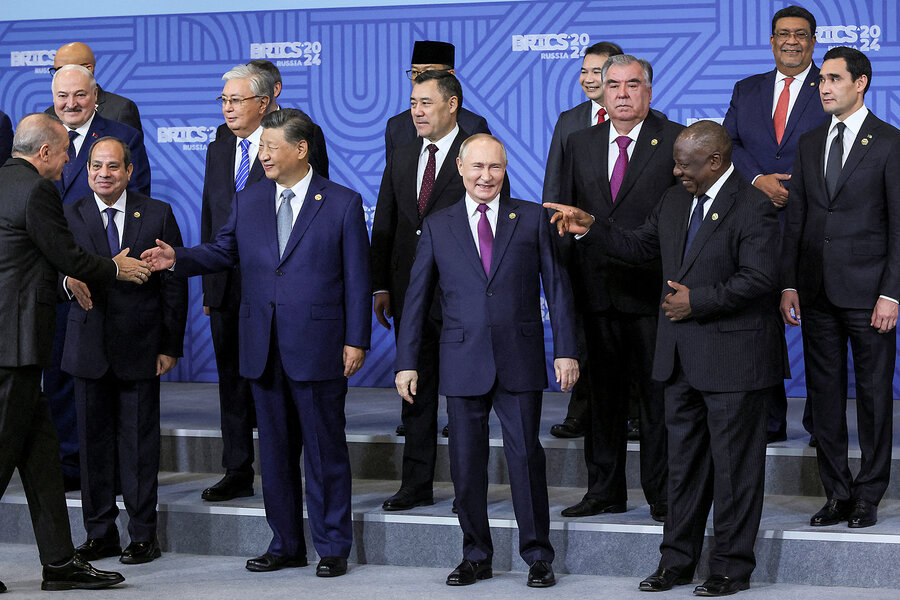
India and China have significantly increased their intake of sea-borne Russian petroleum since Western nations imposed sweeping embargoes and price caps following the escalation in Ukraine. New Delhi has consistently defended its purchasing strategy, maintaining that its primary obligation is to ensure energy security and affordable fuel for its vast population of over 1.4 billion citizens. Indian diplomatic officials have repeatedly noted that purchasing discounted crude helps stabilize global energy markets by preventing extreme price spikes that would otherwise harm developing economies worldwide.
Similarly, Beijing has maintained robust commercial ties with Moscow, expanding bilateral trade and energy cooperation despite mounting pressure from Western allies. China has criticized unilateral sanctions as ineffective and counterproductive, advocating instead for negotiated political settlements rather than economic coercion.
The latest remarks from Capitol Hill reflect growing impatience among American legislators regarding loopholes in the current sanctions regime. The newly proposed legislative measures aim to penalize third-party intermediaries and secondary entities that facilitate the transport, insurance, or refinement of Russian petroleum products.
Global energy analysts point out that completely reorienting supply chains away from Russian crude would pose significant logistical and financial challenges for refining hubs in Asia. However, political pressure from Washington continues to mount, raising questions about how major importers will balance their national energy security requirements against evolving geopolitical demands from Western partners.
As the diplomatic fallout from the senator's comments unfolds, international trade experts anticipate intensified dialogue between Washington and New Delhi regarding energy diversification strategies. Whether these diplomatic exchanges will alter existing commercial agreements remains to be seen, as both nations navigate a complex landscape of global alliances and economic imperatives.
How do you feel about this story?
Discussion
No comments yet. Be the first to share your thoughts.
Join the discussion
Sign in to share your thoughts on this story.