BNN Summary
Urban districts across the United States are experiencing vastly different realities, ranging from successful emergency services expansion in Brockport and vibrant cultural celebrations in San Francisco to severe economic challenges and vacant storefronts plaguing Los Angeles' Fairfax District.
In-Depth Analysis
Urban and regional districts across the United States are navigating starkly different trajectories, highlighting a complex tapestry of community resilience, cultural expression, and economic distress. Recent developments in various localities demonstrate how local districts are managing public safety, community identity, and commercial viability.
In upstate New York, the Brockport Fire District has emerged as a beacon of successful recruitment and community engagement. Over the span of just three years, the department managed to dramatically increase its roster of active interior firefighters from 17 to 44. This remarkable turnaround was achieved through targeted recruitment campaigns, enhanced training programs, and stronger community outreach initiatives. Leaders within the district attribute this growth to a renewed interest in public service among local residents and modernized equipment that makes volunteering more attractive and safer for new recruits. The bolstered firefighting force significantly improves emergency response capabilities for the entire district, ensuring better protection of local homes and businesses.
Meanwhile, on the West Coast, San Francisco's historic Mission District played host to a vibrant cultural display that drew hundreds of enthusiasts and spectators. Known colloquially as the 'King of the Streets' gathering, the event brought out a massive fleet of meticulously customized lowriders that cruised through the neighborhood. The procession served as a powerful celebration of Chicano culture and automotive artistry, filling the streets with vibrant colors, hydraulic-powered dancing cars, and classic hip-hop music. Local community organizers emphasized that such events are vital for preserving the cultural heritage of the Mission District amidst rapid gentrification and demographic shifts that have transformed many parts of the city in recent years.
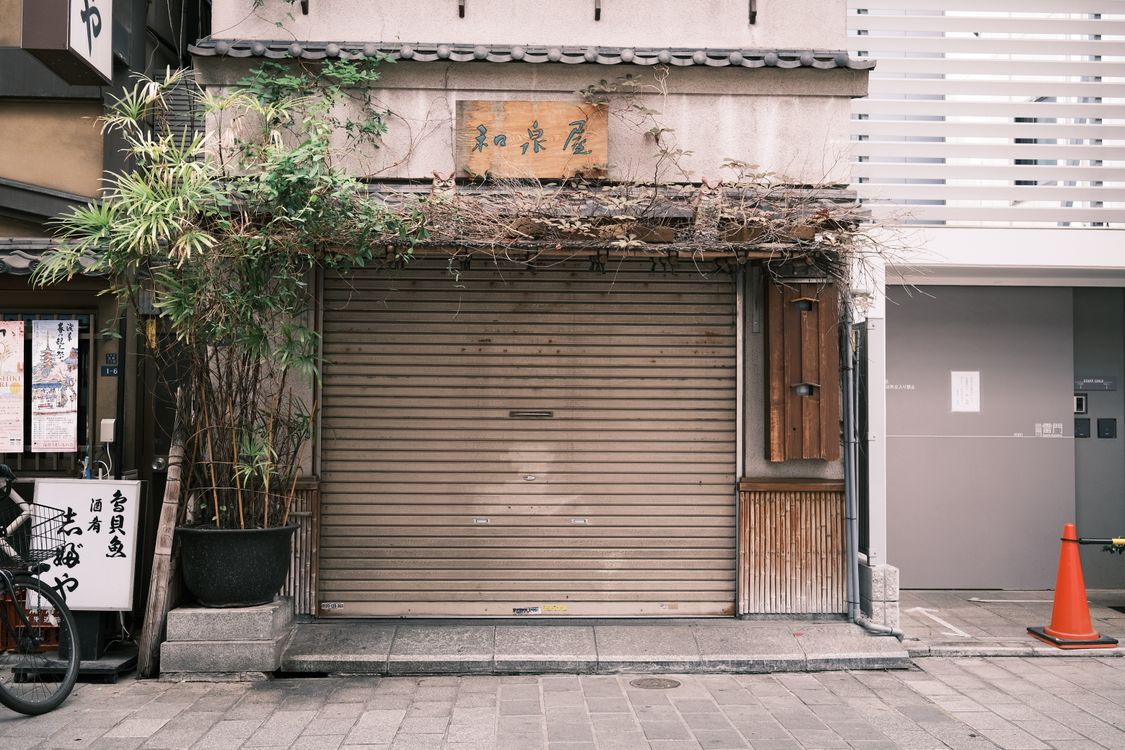
In stark contrast to the cultural vibrancy in San Francisco, the commercial landscape in Los Angeles tells a much more sobering story. The once-thriving Fairfax District has increasingly transformed into what local business owners describe as a ghost town, marked by an alarming number of empty storefronts. Longstanding merchants and independent shop owners are openly blasting what they term 'greedy' landlords, accusing property owners of squeezing surviving businesses with exorbitant rent hikes and inflexible lease terms. Even as foot traffic returns to pre-pandemic levels in other parts of the city, the Fairfax District struggles to retain its retail identity. Many small business owners argue that unless commercial landlords adopt more realistic leasing strategies and local authorities step in with tenant protection measures, the historic neighborhood risks losing its unique commercial character permanently.
These contrasting scenarios underscore the diverse challenges faced by community districts nationwide. Whether dealing with the trials of emergency preparedness, the preservation of cultural traditions against economic pressures, or the brutal realities of commercial real estate markets, district-level dynamics continue to shape the everyday experiences of citizens across the country.
How do you feel about this story?
Discussion
No comments yet. Be the first to share your thoughts.
Join the discussion
Sign in to share your thoughts on this story.