BNN Summary
Afresh suicide attempt linked to the escalating drug crisis in Punjab has ignited a massive political firestorm, drawing intense criticism from opposition parties against the ruling Aam Aadmi Party government over law enforcement and public health failures.
In-Depth Analysis
The persistent and deeply concerning drug crisis in Punjab has once again thrown the state into political turmoil following a distressing incident in the Sangrur district. A recent suicide attempt, allegedly driven by severe distress associated with rampant narcotics availability, has triggered a massive political showdown between the ruling Aam Aadmi Party (AAP) administration and various opposition factions. The incident has intensified scrutiny over the government's handling of the illegal drug trade, which continues to plague local communities, destroy families, and claim countless young lives across the region.
Opposition leaders have launched scathing attacks against Chief Minister Bhagwant Mann and his administration, accusing them of failing to deliver on pre-election promises to completely eradicate the drug menace within weeks of assuming office. Critics argue that despite repeated claims of cracking down on high-level drug cartels and local peddlers, ground-level realities indicate a worsening situation. Families in rural districts continue to suffer silently as synthetic drugs and traditional narcotics remain easily accessible to youth, pushing many to the brink of despair.
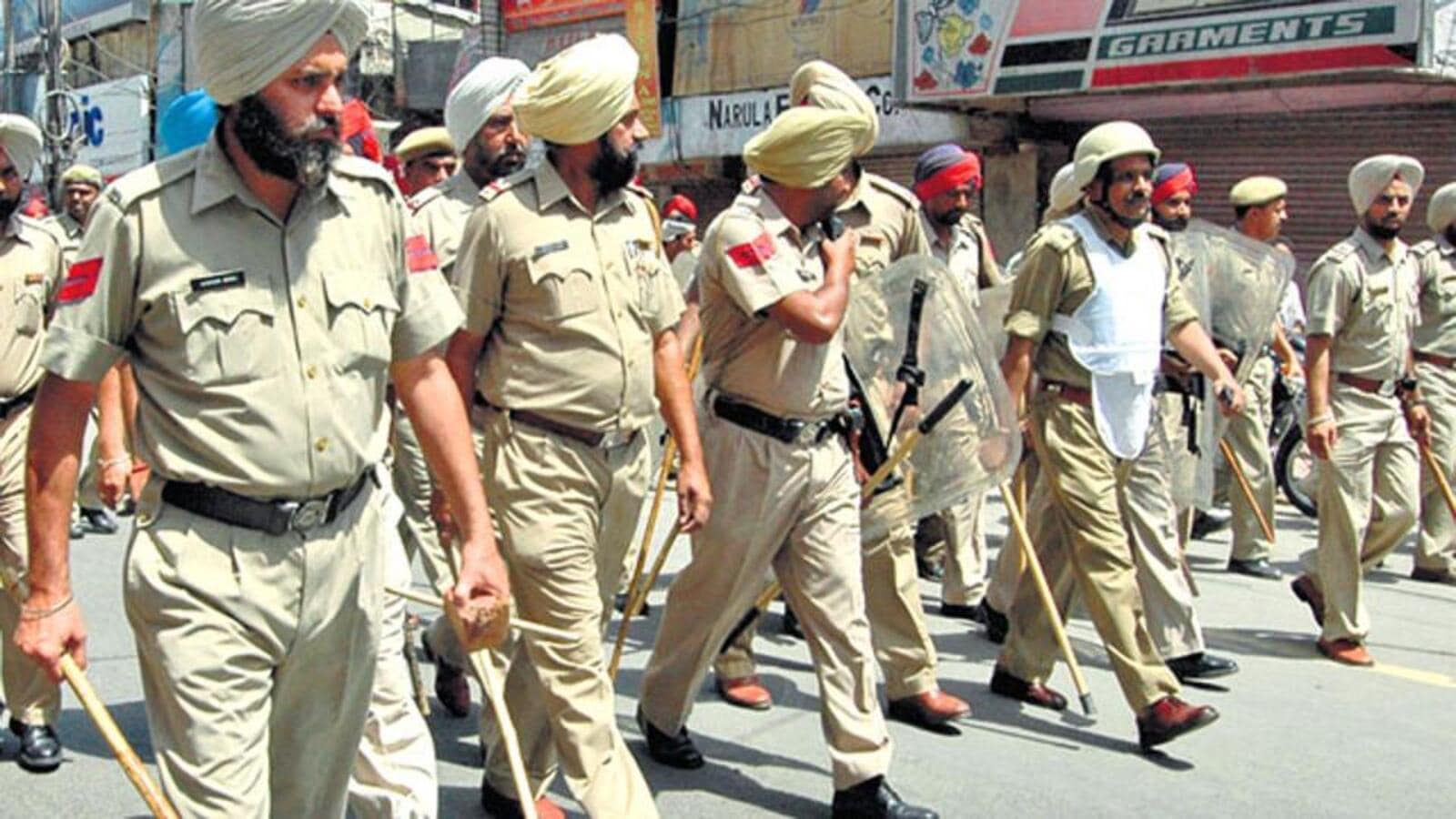
During recent legislative sessions and public rallies, opposition parties presented alarming data regarding rising addiction rates, overdose fatalities, and related criminal activities. They pointed to the Sangrur incident as a grim reminder of administrative apathy and the absence of adequate rehabilitation infrastructure. Lawmakers demanded immediate accountability from the state police force, questioning the effectiveness of intelligence-gathering operations and anti-drug campaigns currently underway.
In response to the mounting pressure, senior AAP representatives defended the government's track record, highlighting a series of aggressive raids, massive asset seizures from arrested traffickers, and the closure of several illicit distribution networks. Government spokespersons emphasized that tackling a deep-rooted crisis that has festered for decades requires sustained, systemic intervention rather than overnight fixes. They outlined ongoing initiatives focused on community policing, awareness campaigns in schools and colleges, and the expansion of free counseling and medical treatment at state-run de-addiction centers.
Furthermore, the ruling party accused the opposition of exploiting human tragedies for petty political mileage, noting that previous administrations also struggled to curb the multi-layered narcotics economy. Officials reiterated their unwavering commitment to transforming Punjab into a drug-free state, urging all political stakeholders to cooperate constructively rather than engaging in partisan blame games during a public health emergency.
Civil society organizations and local community leaders have also chimed in, expressing deep frustration with the slow pace of meaningful reform. Experts suggest that a holistic approach integrating stringent law enforcement with robust socioeconomic support systems, employment generation, and mental health counseling is essential to break the vicious cycle of addiction and hopelessness. As public anger simmers and political rhetoric intensifies, the pressure on the Punjab government to deliver tangible results on the ground has never been higher.
How do you feel about this story?
Discussion
No comments yet. Be the first to share your thoughts.
Join the discussion
Sign in to share your thoughts on this story.