BNN Summary
Arecently launched book offers a fascinating glimpse into the culinary preferences and personal food histories of India's Prime Ministers, blending political history with the cultural significance of food across different administrations.
In-Depth Analysis
Food has always been a powerful cultural anchor in India, reflecting the rich diversity of regions, traditions, and communities that comprise the nation. A newly launched book brings this unique perspective to the forefront by exploring the lesser-known food stories and culinary preferences of India's Prime Ministers. The publication sheds light on how personal backgrounds, regional origins, and individual lifestyles shaped the daily meals and formal banquets hosted by the leaders who shaped the destiny of the country.
Exploring Culinary Traditions at the Highest Office
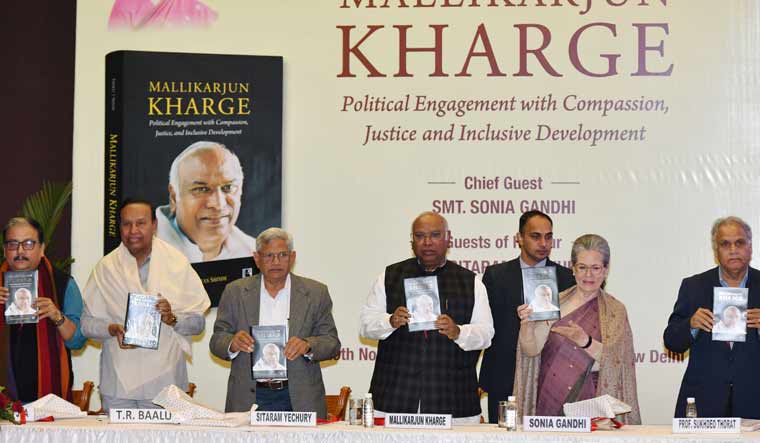
The book launch event, which drew prominent figures from literature, politics, and culinary arts, served as a platform to discuss how the kitchen of the Prime Minister's residence often functioned as a quiet cultural ambassador. From the simple, comforting traditional meals cherished by leaders hailing from northern heartlands to the diverse coastal and southern delicacies preferred by others, the publication compiles fascinating anecdotes, recipes, and historical notes.
Historians and food researchers collaborated to trace the origins of various dishes associated with key political figures. For instance, the preference for vegetarian home-cooked meals by certain leaders highlighted their deep-rooted cultural values, while others enjoyed experimenting with local delicacies during their extensive travels across the country and abroad. These accounts offer a more humanizing perspective on leaders who are often viewed strictly through the lens of policy, legislation, and geopolitical strategy.
The Cultural Politics of Food
Discussions during the launch emphasized that food in the highest office of governance is never merely about sustenance. State banquets and diplomatic dinners organized by prime ministers have historically played a crucial role in shaping diplomatic relations. Serving regional delicacies to visiting foreign dignitaries often served as an icebreaker, introducing global leaders to the vast gastronomic heritage of India.
Furthermore, the book highlights the dedication of the kitchen staff and chefs who catered to these high-profile figures. Operating under immense pressure and stringent security protocols, these culinary professionals mastered the art of balancing nutrition, strict dietary preferences, and the complex diplomatic etiquette required for international summits and state visits.
A Journey Through Time
By documenting these stories, the publication acts as a bridge between political history and social anthropology. Attendees at the launch praised the meticulous research that went into uncovering details that had previously remained confined to private diaries, archival documents, and oral histories shared by former staff members.
The event concluded with a panel discussion featuring culinary experts and biographers, who noted that understanding what India's leaders ate provides a unique window into the social fabric of the eras they governed. As the book becomes available to the wider public, it is expected to inspire food enthusiasts and history lovers alike to appreciate the subtle yet profound ways in which daily meals intersect with national leadership and cultural identity.
How do you feel about this story?
Discussion
No comments yet. Be the first to share your thoughts.
Join the discussion
Sign in to share your thoughts on this story.