BNN Summary
An in-depth look at Prime Minister Narendra Modi's political evolution, national governance, economic reforms, and ongoing debates surrounding his leadership style, foreign policy maneuvers, and domestic political opposition from key figures like Rahul Gandhi.
In-Depth Analysis
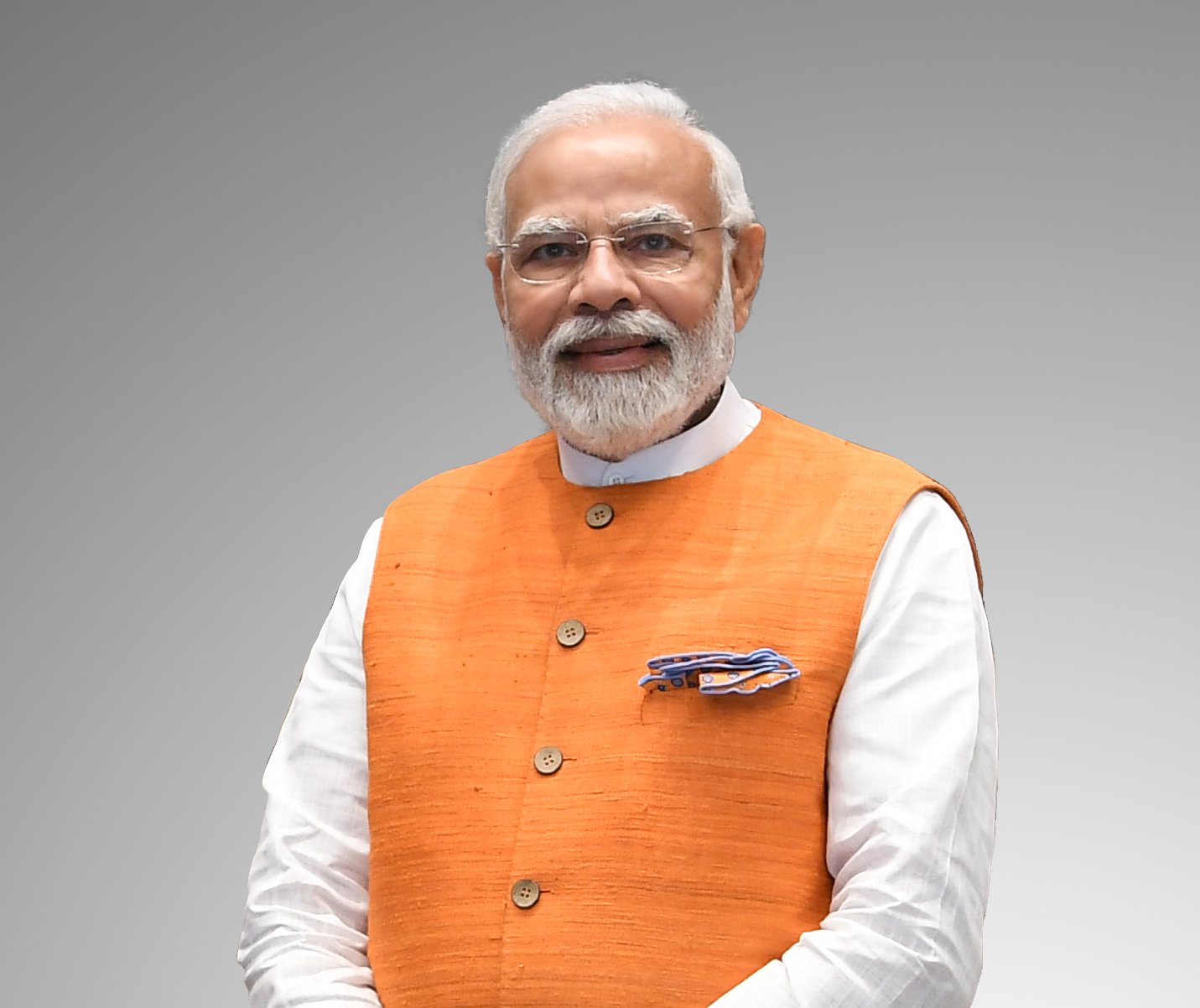
The political trajectory of Narendra Modi remains one of the most extensively analyzed phenomena in contemporary global politics. From his humble beginnings in Gujarat to commanding the world's largest democracy as Prime Minister, his leadership has consistently polarized opinion while fundamentally reshaping India's political and economic landscape. Supporters praise his administrative drive, decisive governance, and ambitious infrastructural initiatives, whereas critics continuously scrutinize his policies, centralizing authority, and handling of democratic institutions.
Economic Reforms and National Vision
Since assuming office at the national level, Prime Minister Modi has championed a transformative vision for India centered around digital empowerment, financial inclusion, and manufacturing growth. Programs such as Digital India have revolutionized how millions of citizens interact with financial systems, highlighted by the massive expansion of the Unified Payments Interface (UPI). This digital infrastructure has not only streamlined domestic transactions but has also garnered international acclaim, serving as a model for developing economies worldwide.
However, these reforms have not been without controversy. Economic policies, taxation structures, and technological rollouts frequently face rigorous scrutiny from opposition leaders and economic analysts alike. Critics often point out the socio-economic pressures faced by marginalized communities and small businesses, arguing that regulatory frameworks require more empathetic calibration. Despite these challenges, the administration maintains that structural overhauls are essential for long-term national resilience and global competitiveness.
Foreign Policy and Global Stance
On the international stage, Modi has pursued an assertive, proactive foreign policy designed to secure India's strategic autonomy while fostering deep partnerships with major global powers, including the United States, European nations, and regional allies. His diplomatic engagements emphasize national interest, economic collaboration, and security cooperation in the Indo-Pacific region.
Yet, this assertive diplomacy also attracts domestic political sparring. Recently, prominent opposition figures like Congress leader Rahul Gandhi have publicly criticized the administration's foreign policy and trade negotiations. Debates often flare up around sensitive international trade dynamics, tariffs, and diplomatic postures vis-a-vis global leaders, with critics urging a firmer stance to protect domestic industries and financial ecosystems from external pressures.
Domestic Politics and Regional Dynamics
Within the domestic sphere, the political machinery of the ruling Bharatiya Janata Party (BJP), under Modi's ideological and electoral guidance, continues to exert significant influence across various states. Regional leaders, such as Haryana Chief Minister Nayab Singh Saini, frequently highlight the positive developmental outcomes of central policies while launching sharp counter-attacks against regional rivals, including the Aam Aadmi Party (AAP) and other opposition factions.
These ongoing political battles underscore the intensely competitive nature of Indian federalism. State-level governance, regional grievances, and ideological clashes form the bedrock of daily political discourse. As political parties gear up for future electoral contests, the central debate invariably returns to Modi's leadership style, his ability to deliver on promises of inclusive growth, and the broader trajectory of Indian democracy.
Ultimately, understanding the real Narendra Modi requires examining the complex interplay between massive developmental ambitions, relentless electoral campaigns, and the vigorous checks and balances provided by a vibrant political opposition and a watchful civil society. As India navigates its path toward becoming a developed nation, the legacy of his leadership will continue to be a subject of profound national and international study.
How do you feel about this story?
Discussion
No comments yet. Be the first to share your thoughts.
Join the discussion
Sign in to share your thoughts on this story.