BNN Summary
A2017 letter written by Bihar Chief Minister Nitish Kumar regarding the Uniform Civil Code has resurfaced, sparking intense political friction and renewed debate between the ruling JD(U) and opposition RJD. The document has reignited discussions on ideological alignments and governance strategies across the state.
In-Depth Analysis
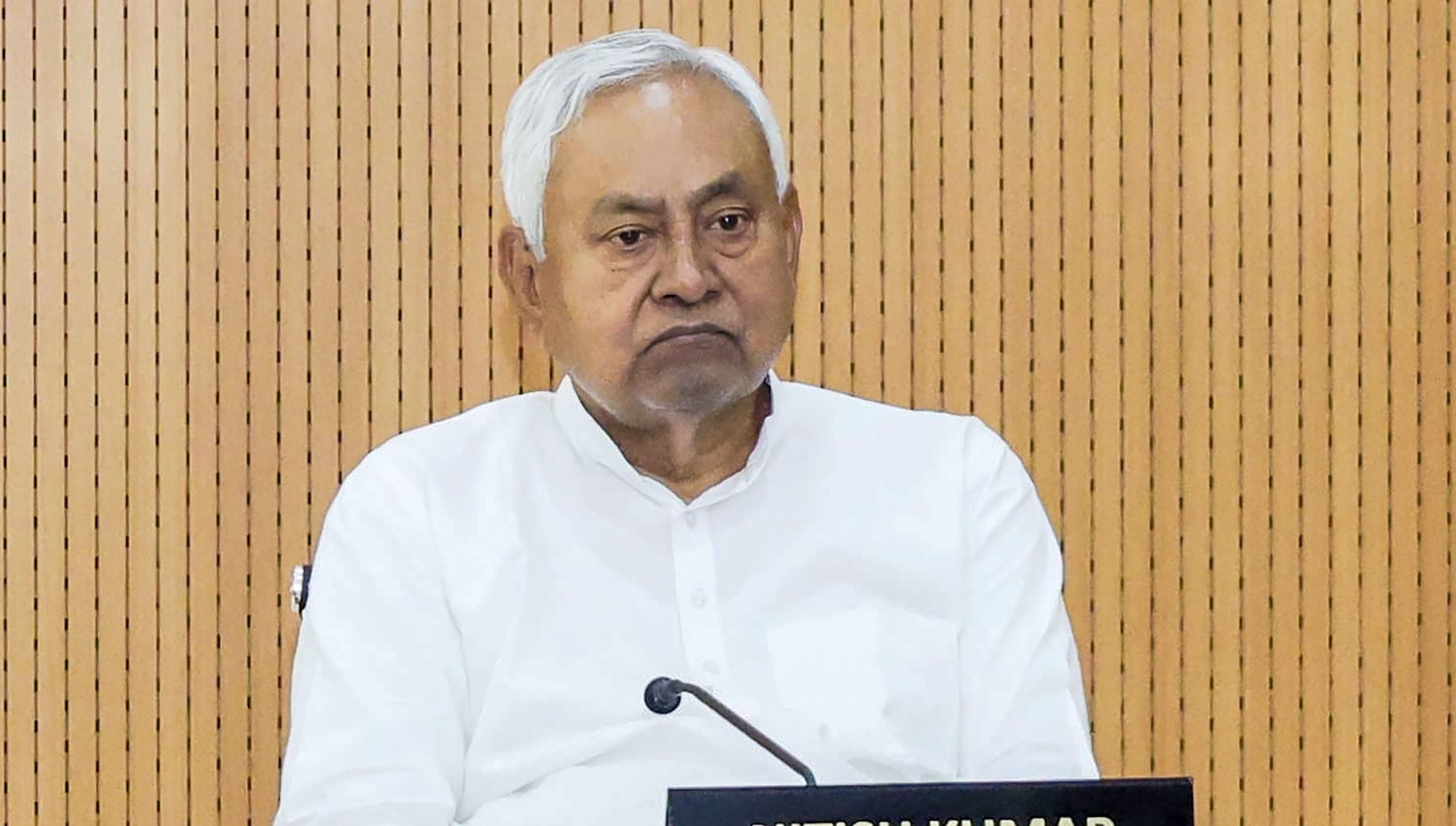
Asignificant political controversy has erupted in Bihar following the resurfacing of a 2017 letter written by Chief Minister Nitish Kumar concerning the Uniform Civil Code (UCC). The emergence of this historical document has immediately intensified political maneuvering and verbal sparring between the Janata Dal-United (JD(U)) and the Rashtriya Janata Dal (RJD), setting the stage for a heated political climate in the state.
The Resurfaced 2017 Letter
The letter in question, originally penned by Nitish Kumar during his earlier tenure when JD(U) was allied with different political dynamics, addressed the Law Commission regarding the feasibility and implementation of a Uniform Civil Code. In the document, the Chief Minister had outlined a measured approach, emphasizing the importance of broad-based consultations, social consensus, and respect for diverse cultural practices across various communities before undertaking any radical legislative overhaul.
Political analysts note that while the content of the letter reflects a cautious stance historically maintained by regional parties balancing diverse vote banks, its sudden reappearance in the public domain has altered the immediate political narrative. Opponents and allies alike are scrutinizing the timing of the leak, interpreting it through the lens of current national policy debates surrounding the UCC.
RJD and JD(U) Crossfire
The resurfacing of the document has provided fresh ammunition to the RJD and other opposition factions, who have sought clarification on the JD(U)'s current ideological stance. Opposition leaders argue that the principles outlined in the 2017 letter contradict the shifting political alliances and compromises characteristic of contemporary state politics. They have accused the ruling administration of maintaining ambiguous positions on critical secular and constitutional matters to suit immediate electoral conveniences.
In sharp response, senior leaders and spokespersons of the JD(U) have defended Nitish Kumar's consistent approach to governance and social harmony. They asserted that the Chief Minister has always advocated for inclusive dialogue, constitutional propriety, and the protection of minority rights while maintaining a development-oriented agenda. JD(U) representatives dismissed the opposition's attacks as politically motivated attempts to manufacture controversy where none exists, emphasizing that Bihar's governance model remains focused on inclusive growth and social justice.
Broader Political Implications
As political temperatures rise across Patna and New Delhi, the debate over the 2017 letter underscores the delicate balance regional parties must maintain in India's complex federal structure. The Uniform Civil Code remains a deeply contentious national issue, touching upon personal laws, religious freedoms, and cultural autonomy. For Bihar, a state known for its deeply entrenched identity politics and caste-based equations, any discourse touching upon social legislation carries profound electoral ramifications.
Observers believe that this controversy will likely dominate the legislative debates and public rallies in the coming weeks. Both the ruling coalition and the opposition are expected to leverage the issue to consolidate their respective support bases, keeping the political pressure high as upcoming legislative sessions and electoral milestones approach. The enduring relevance of a seven-year-old administrative letter demonstrates how historical positions can swiftly be resurrected to shape modern political battlegrounds.
How do you feel about this story?
Discussion
No comments yet. Be the first to share your thoughts.
Join the discussion
Sign in to share your thoughts on this story.