BNN Summary
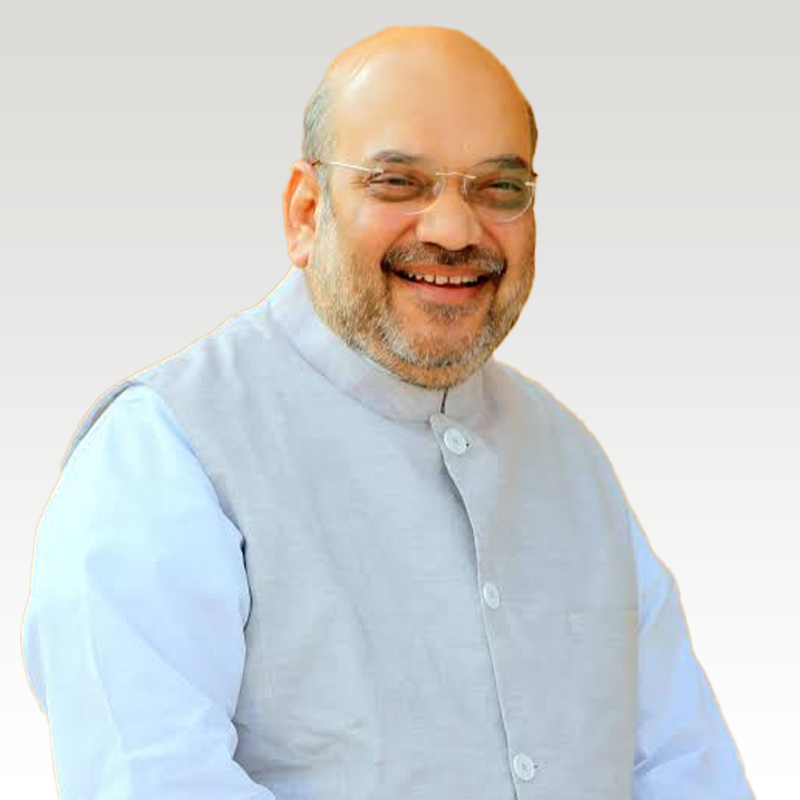
Union Home Minister Amit Shah has announced plans to implement the Uniform Civil Code across the nation, sparking political debates and raising questions regarding regional and national consensus among political allies.
In-Depth Analysis
Union Home Minister Amit Shah has once again brought the contentious issue of the Uniform Civil Code into the national spotlight by officially announcing the government's intention to implement it across the country.
Speaking at a high-profile political gathering, Shah emphasized that the implementation of a single set of laws governing personal matters such as marriage, divorce, inheritance, and adoption for all citizens, regardless of their religion, remains a core ideological objective for the ruling administration. The announcement has immediately galvanized political circles, drawing sharp reactions from opposition parties while simultaneously prompting internal deliberations and varied responses among National Democratic Alliance partners.
The Uniform Civil Code has historically been one of the foundational promises of the ruling party's ideological manifesto, alongside the abrogation of Article 370 and the construction of the Ram Temple. With those two major milestones having been achieved in previous terms, the implementation of the Uniform Civil Code is now widely perceived as the primary ideological frontier for the administration as it looks toward future political milestones and electoral cycles.
However, the announcement has also brought to the surface underlying complexities regarding coalition dynamics. Political analysts note that while the central leadership of the ruling party is fully committed to the rollout, various regional allies within the alliance have expressed the need for widespread consultation, caution, and consensus-building before any formal legislation is introduced in Parliament. These regional parties must navigate diverse demographic sensitivities within their respective home states, where tribal customs, minority personal laws, and regional traditions hold significant sway.
Opposition parties have been quick to criticize the timing and intent of the announcement, accusing the government of utilizing polarizing issues to consolidate majoritarian support ahead of crucial local body elections and upcoming state assembly polls. Leaders from various opposition factions argued that a diverse and pluralistic nation like India requires the preservation of distinct cultural and religious practices rather than the enforcement of a homogenous legal framework.
In response to these criticisms, senior functionaries of the ruling party defended the proposal, arguing that the Uniform Civil Code is enshrined in the Directive Principles of State Policy under the Constitution of India, which mandates the state to endeavor to secure for the citizens a Uniform Civil Code throughout the territory of India. Proponents assert that the code will promote gender equality, eradicate discriminatory practices embedded in certain religious personal laws, and foster a stronger sense of national integration.
Legal experts and constitutional scholars have pointed out that drafting a comprehensive Uniform Civil Code that accommodates the vast diversity of personal laws, tribal exemptions, and customary practices across different states will be an immensely intricate legislative task. The Law Commission of India has previously initiated public consultations on the matter, receiving millions of suggestions from various religious organizations, legal experts, and citizens.
As the political discourse intensifies, all eyes will be on how the central leadership manages coalition coordination and whether a consensus can be forged among allied parties before the legislative framework is formally tabled. The debate over the Uniform Civil Code promises to remain a central pillar of the national political narrative in the months to come.
How do you feel about this story?
Discussion
No comments yet. Be the first to share your thoughts.
Join the discussion
Sign in to share your thoughts on this story.