BNN Summary
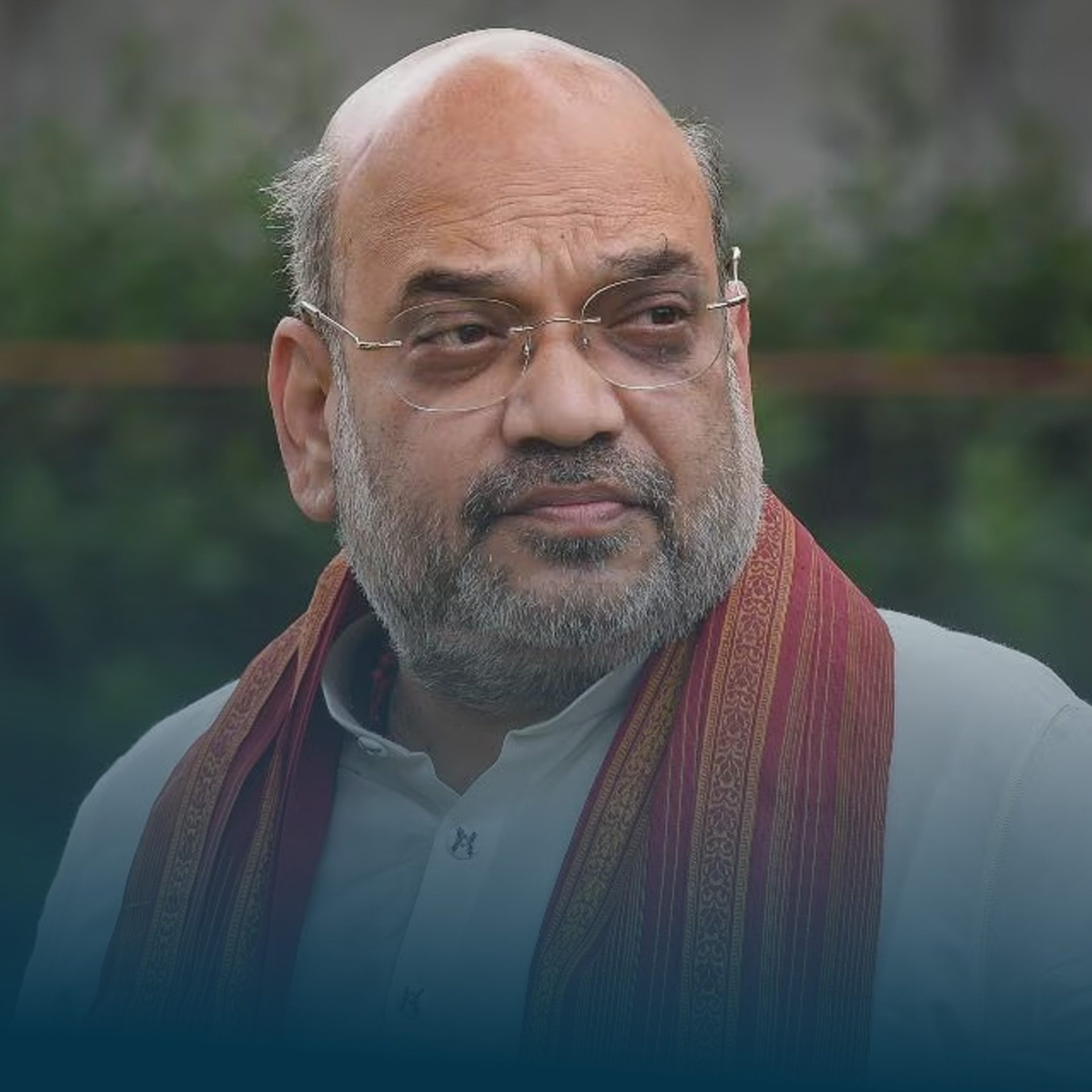
Union Home Minister Amit Shah has announced that all 21 states governed by the National Democratic Alliance intend to implement the Uniform Civil Code before the year 2029. This strategy leverages state-level legislative avenues rather than an immediate parliamentary push, signaling a coordinated nationwide implementation framework for personal law reforms across India.
In-Depth Analysis
Union Home Minister Amit Shah has outlined a decisive strategic roadmap for the implementation of the Uniform Civil Code (UCC) across India, setting a firm deadline of 2029 for its rollout in all 21 states governed by the National Democratic Alliance (NDA). This landmark announcement marks a significant pivot in the ruling dispensation's legislative agenda, shifting the operational battlefield from the national Parliament to individual state legislative assemblies.
Political analysts view the decision to pursue the UCC through state-level legislation as a calibrated political and administrative maneuver. By encouraging NDA-ruled states to draft and pass their own iterations of the Uniform Civil Code, the central leadership aims to build a robust legal and societal precedent. This bottom-up approach allows for localized fine-tuning of the legislation, accommodating unique regional and tribal nuances while steadily establishing a unified legal framework for marriage, divorce, inheritance, and adoption across the country.
The push for a Uniform Civil Code has long been a core ideological tenet of the Bharatiya Janata Party (BJP) and its political predecessor, the Jan Sangh. Following the successful abolition of Triple Talaq and the abrogation of Article 370 in Jammu and Kashmir, the UCC remains one of the final major ideological commitments outlined in the party's foundational manifesto. Home Minister Amit Shah emphasized that the administration is fully committed to fulfilling this promise, asserting that a modern secular democracy requires a unified set of civil laws that apply to all citizens regardless of their religion, gender, or community.
The announcement has immediately ignited intense political debate across the national landscape. Opposition parties, particularly regional outfits and minority representatives such as Asaduddin Owaisi's All India Majlis-e-Ittehadul Muslimeen (AIMIM), have strongly criticized the move. Critics argue that enforcing a Uniform Civil Code infringes upon the religious freedom and cultural diversity guaranteed under the Constitution of India. They contend that personal laws, deeply rooted in religious traditions and customs, should not be subjected to a monolithic state-sponsored framework, especially in a pluralistic society like India.
Conversely, supporters of the UCC argue that personal laws currently in practice often contain archaic provisions that discriminate against women in matters of succession, property rights, and maintenance. Proponents maintain that replacing these fragmented religious personal laws with a gender-just, uniform code will strengthen national integration, promote gender equality, and modernize the Indian judicial system. They point to the pioneering implementation of the UCC in Uttarakhand as a successful template that other NDA-ruled states can emulate and adapt.
As the 2029 deadline approaches, political observers expect the debate over the Uniform Civil Code to dominate electoral campaigns and legislative sessions across multiple states. The success of this state-led rollout will largely depend on how effectively individual governments can build political consensus, address minority concerns, and draft legislation that withstands potential judicial scrutiny in the Supreme Court of India. Meanwhile, the central leadership continues to coordinate closely with state chief ministers and legal experts to ensure a seamless and legally sound transition toward a unified civil legal order.
How do you feel about this story?
Discussion
No comments yet. Be the first to share your thoughts.
Join the discussion
Sign in to share your thoughts on this story.