New Delhi, India
Live Updates
Home›Editorial›Trump Administration Seeks 60-Day Review Period For Russia Sanctions Impact
Editorial

Trump Administration Seeks 60-Day Review Period For Russia Sanctions Impact

b
Written ByBNN Opinion Desk

Sunday, 18 October 2026 at 06:40 am

AI-Assisted Reporting · Reviewed by our Editorial Team
Trump Administration Seeks 60-Day Review Period For Russia Sanctions Impact

BNN Summary

United States officials have indicated that President Donald Trump is requesting a 60-day window to thoroughly analyze the geopolitical and economic consequences of impending Russia sanctions legislation. The disclosure comes amid high-level diplomatic engagements and international tours by top US leadership, highlighting ongoing discussions regarding foreign policy, international trade, and strategic alliances involving key global partners.

In-Depth Analysis

The United States government is navigating a complex phase of international diplomacy and legislative oversight, with President Donald Trump reportedly seeking a 60-day review period to comprehensively analyze the potential impacts of a new Russia sanctions law. The development underscores the intricate balance the White House must maintain between enforcing stringent foreign policy measures against foreign adversaries and mitigating unintended economic repercussions for American allies and domestic industries.

According to high-level diplomatic briefings, the request for a 60-day window emerged as senior administration officials and congressional leaders deliberate on the timing and scope of the legislative measures. The primary objective of this proposed delay is to allow executive agencies, economic advisors, and intelligence analysts to conduct exhaustive risk assessments. These evaluations will focus on how the proposed sanctions might influence global energy markets, international trade flows, and diplomatic relations with nations that maintain economic ties with Moscow.

The announcement of this strategic pause coincides with intense diplomatic activity. The United States Secretary of State addressed related inquiries from the press during a weekend media interaction prior to embarking on a significant week-long diplomatic tour across Central Asia and South Asia, including stops in Uzbekistan and India. During these engagements, regional security, bilateral trade agreements, and adherence to international sanctions frameworks remain prominent topics of discussion.

Foreign policy experts note that secondary sanctions often present diplomatic challenges, particularly for developing economies and strategic partners that rely heavily on diversified energy imports and defense equipment from various global suppliers. By carving out a 60-day analysis window, the Trump administration appears to be creating space for multilateral consultations, ensuring that international partners are adequately briefed and that potential vulnerabilities in the global supply chain are identified well before the legislation takes full effect.

Critics of the proposed delay argue that postponing the implementation of strict sanctions could send mixed signals to international adversaries and diminish the immediate deterrent effect of the legislation. However, proponents within the administration maintain that a calculated, methodical approach is essential to avoid self-inflicted economic damage and to craft a more cohesive, sustainable long-term foreign policy strategy.

As the review period commences, international markets and foreign ministries will closely monitor Washington for any official announcements regarding adjustments to the sanctions bill. The ultimate outcome of this 60-day assessment will likely shape the trajectory of US foreign relations and economic diplomacy for the remainder of the legislative term, signaling how the administration plans to balance unilateral pressure with cooperative international engagement.

How do you feel about this story?

Discussion

No comments yet. Be the first to share your thoughts.

Join the discussion

Sign in to share your thoughts on this story.

Sign In

More You Can Read

White House Press Secretary Dismissed Following Brief and Turbulent Tenure
Editorial

White House Press Secretary Dismissed Following Brief and Turbulent Tenure

White House press secretary Katie Zacharia is leaving her position after a short and challenging tenure as President Donald Trump's chief spokeswoman. Her departure comes shortly after the president asked her to reconsider stepping down, only for the decision to be finalized hours later. The rapid transition underscores the ongoing volatility within the administration's communications team and highlights the intense pressures associated with representing the White House on the national stage.

18 October 2026 at 12:43 amRead Story →
AGuide To Properly Unfurling The National Flag Of India
Editorial

AGuide To Properly Unfurling The National Flag Of India

Understanding the correct protocol and guidelines for unfurling the Indian national flag, known as the Tiranga. This comprehensive overview examines the traditions, locations, and civic responsibilities associated with displaying the national emblem with utmost respect and dignity during national celebrations and everyday contexts.

17 October 2026 at 09:43 pmRead Story →
India's Gen Z Is Building, Not Burning
Editorial

India's Gen Z Is Building, Not Burning

Look at who runs the world’s boardrooms, Indian-born leaders such as Sundar Pichai, Satya Nadella, Arvind Krishna and Shantanu Narayen have headed some of the world’s most valuable technology companies. Gen Z sees scientists at ISRO, athletes from small towns and first-generation entrepreneurs who scaled from garages and rented rooms. These figures show that the system, imperfect as it is, can reward effort.

17 October 2026 at 07:07 pmRead Story →
India Prioritizes National Energy Security Amid Western Scrutiny Over Russian Imports
Editorial

India Prioritizes National Energy Security Amid Western Scrutiny Over Russian Imports

India's Ambassador to the Russian Federation, Vinay Kumar, has strongly defended New Delhi's foreign trade policies, asserting that national energy security remains an absolute priority. Despite mounting Western pressure, economic criticism, and United States sanctions targeting Russian energy resources, the Indian government continues to maintain its strategic stance to ensure a steady and reliable supply of affordable energy for its rapidly expanding domestic economy.

17 October 2026 at 06:47 amRead Story →
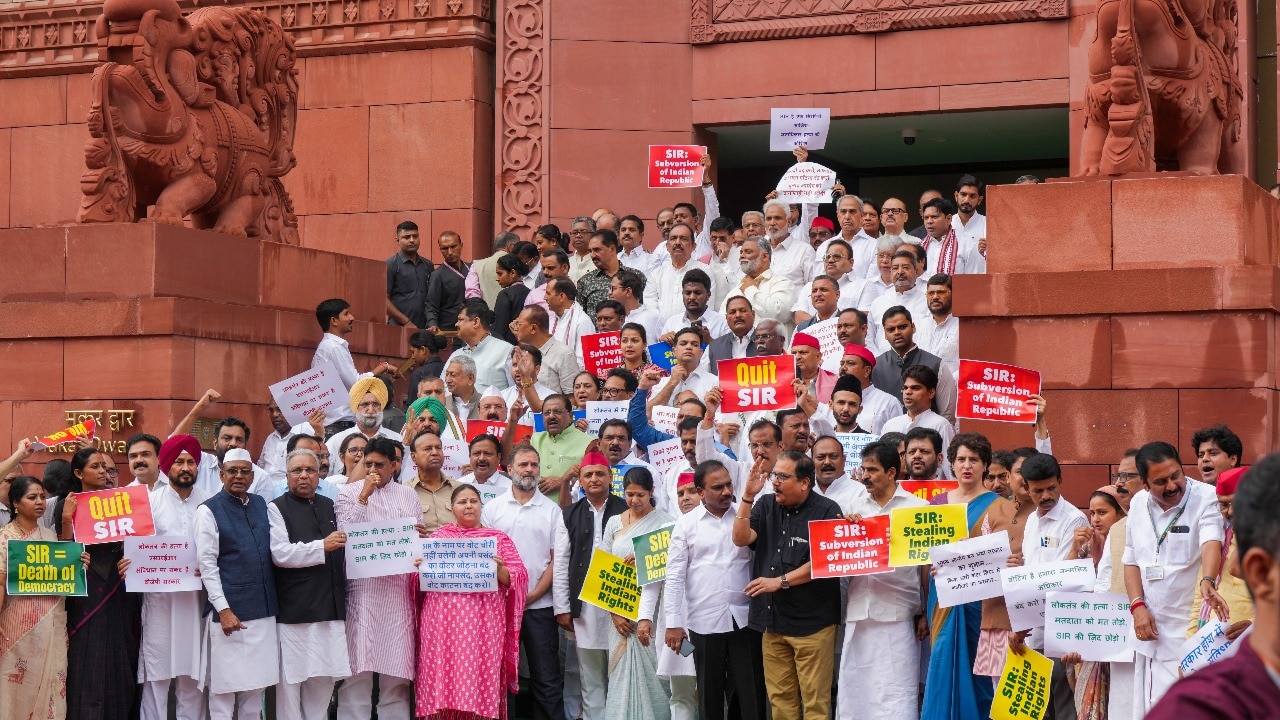
The Anatomy of a Localized Stir: Why Anti-SIR Agitations Failed to Build Nationwide Momentum
Editorial

The Anatomy of a Localized Stir: Why Anti-SIR Agitations Failed to Build Nationwide Momentum

What further diminished the credibility of the anti-SIR agitation was the ideological framing adopted by prominent figures and commentators associated with the broader movement. Rather than anchoring their critique entirely within domestic constitutional norms, several vocal activist factions drew explicit comparisons to external political upheavals. Until opposition parties pivot away from sensationalist posturing and re-anchor their strategy in grassroots, issue-based governance, hyper-localized agitations will continue to boomerang—further solidifying the government's political advantage.

16 October 2026 at 04:56 amRead Story →
New Strat360PL Report Outlines India's Strategic Road Map for Semiconductor Growth
Editorial

New Strat360PL Report Outlines India's Strategic Road Map for Semiconductor Growth

Strategic advisory firm Strat360 Private Limited has published a comprehensive report titled 'India's Electronics and Semiconductor Industry' in New Delhi. The publication charts a detailed pathway for the country to transition from assembly operations into a deeper, more self-reliant manufacturing powerhouse. The report evaluates critical policy measures, infrastructure advancements, and global supply chain shifts that position India as an emerging hub for advanced technology and semiconductor fabrication.

16 October 2026 at 03:42 amRead Story →