BNN Summary
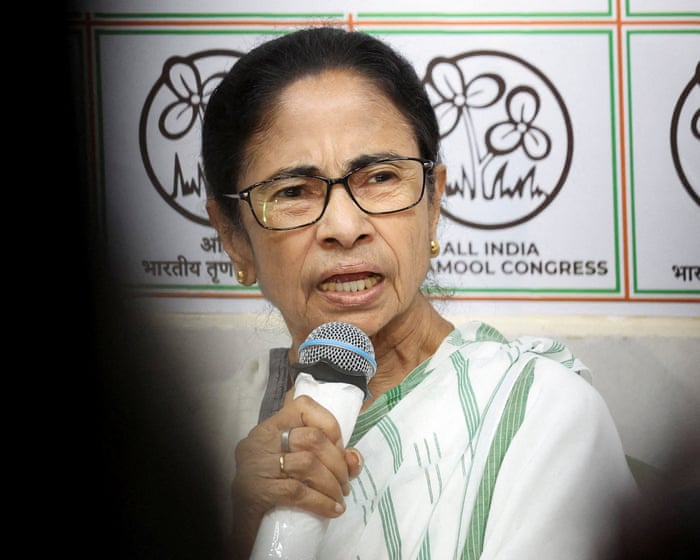
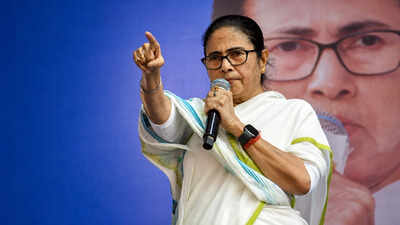
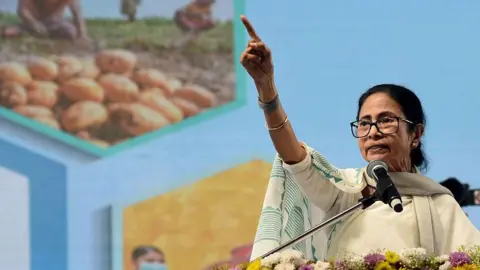
Political tensions have escalated in West Bengal following intense electoral battles and administrative disputes. The Bharatiya Janata Party has launched a scathing attack on Chief Minister Mamata Banerjee, demanding her immediate resignation and calling her refusal to step down a direct assault on democratic principles and the Constitution.
In-Depth Analysis
The political landscape of West Bengal has witnessed a dramatic surge in friction, characterized by intense confrontations between the ruling Trinamool Congress and the opposing Bharatiya Janata Party. Following high-stakes electoral contests and subsequent institutional developments, the political atmosphere in the state remains volatile. The primary catalyst for this recent escalation revolves around fierce demands from opposition leaders urging Chief Minister Mamata Banerjee to relinquish her post.
Escalation of Political Rhetoric
The Bharatiya Janata Party has stepped up its offensive against the state administration, labeling the refusal of the Chief Minister to resign as an unprecedented attack on the democratic fabric and constitutional integrity of the nation. Opposition figures argued that recent political setbacks and institutional rulings necessitate a moral and administrative reckoning, asserting that continuing in office under current circumstances undermines public trust.
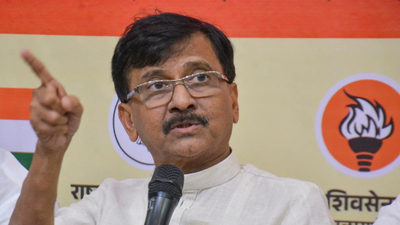
Prominent opposition leaders expressed deep concern over the direction of governance in West Bengal, claiming that democratic norms are being systematically bypassed. They pointed to various administrative hurdles and electoral disputes as evidence of a deepening political crisis. According to BJP spokespersons, accountability is a cornerstone of parliamentary democracy, and leaders who face significant electoral challenges or regulatory complications must step aside to ensure a fair and transparent administrative process.
Institutional Challenges and Administrative Hurdle
Compounding the political turmoil, administrative and electoral bodies have occasionally intervened in matters concerning party symbols and organizational recognition. Reports of internal factional disputes and regulatory scrutiny over party identifiers have added another layer of complexity to the governance of the state. These developments have not only kept political analysts on edge but have also triggered widespread public debate regarding the stability of local governance structures.
Political analysts note that the ongoing face-off between the state government and central political heavyweights has transformed West Bengal into one of the most closely watched political arenas in the country. Every policy decision, administrative appointment, and public statement is currently being scrutinized through a political lens, amplifying polarization among voters.
The Ruling Party's Defense
In response to the relentless barrage of criticism, leaders and loyalists of the Trinamool Congress have rallied strongly around Mamata Banerjee. They dismissed the opposition demands as politically motivated maneuvers designed to destabilize a democratically elected government. Ruling party representatives maintained that the administration continues to enjoy the mandate of the people and remains fully committed to executing its developmental agenda across the state.
Furthermore, supporters of the Chief Minister emphasized her long-standing grassroots connection and resilience in the face of political adversity. They argued that such demands for resignation are routine tactics employed by opponents seeking to create artificial administrative paralysis. The ruling camp reiterated that legal and constitutional frameworks clearly define the tenure and duties of an elected Chief Minister, and external political pressure will not deter the government from serving the citizens.
Broader Implications for State Politics
As the war of words intensifies, civil society members and constitutional experts are closely monitoring the situation. The debate over accountability, governance ethics, and the role of electoral institutions highlights the complex nature of federal politics in India. With both sides refusing to yield ground, the political standoff in West Bengal is expected to remain the focal point of national attention, setting the stage for further electoral and legislative battles in the foreseeable future.
How do you feel about this story?
Discussion
No comments yet. Be the first to share your thoughts.
Join the discussion
Sign in to share your thoughts on this story.