BNN Summary
Spain's prime minister has announced early general elections following intense political pressure and mounting public discontent over a severe national housing crisis. The decision marks a pivotal moment for the administration as affordability issues and rental shortages dominate the national political landscape.
In-Depth Analysis
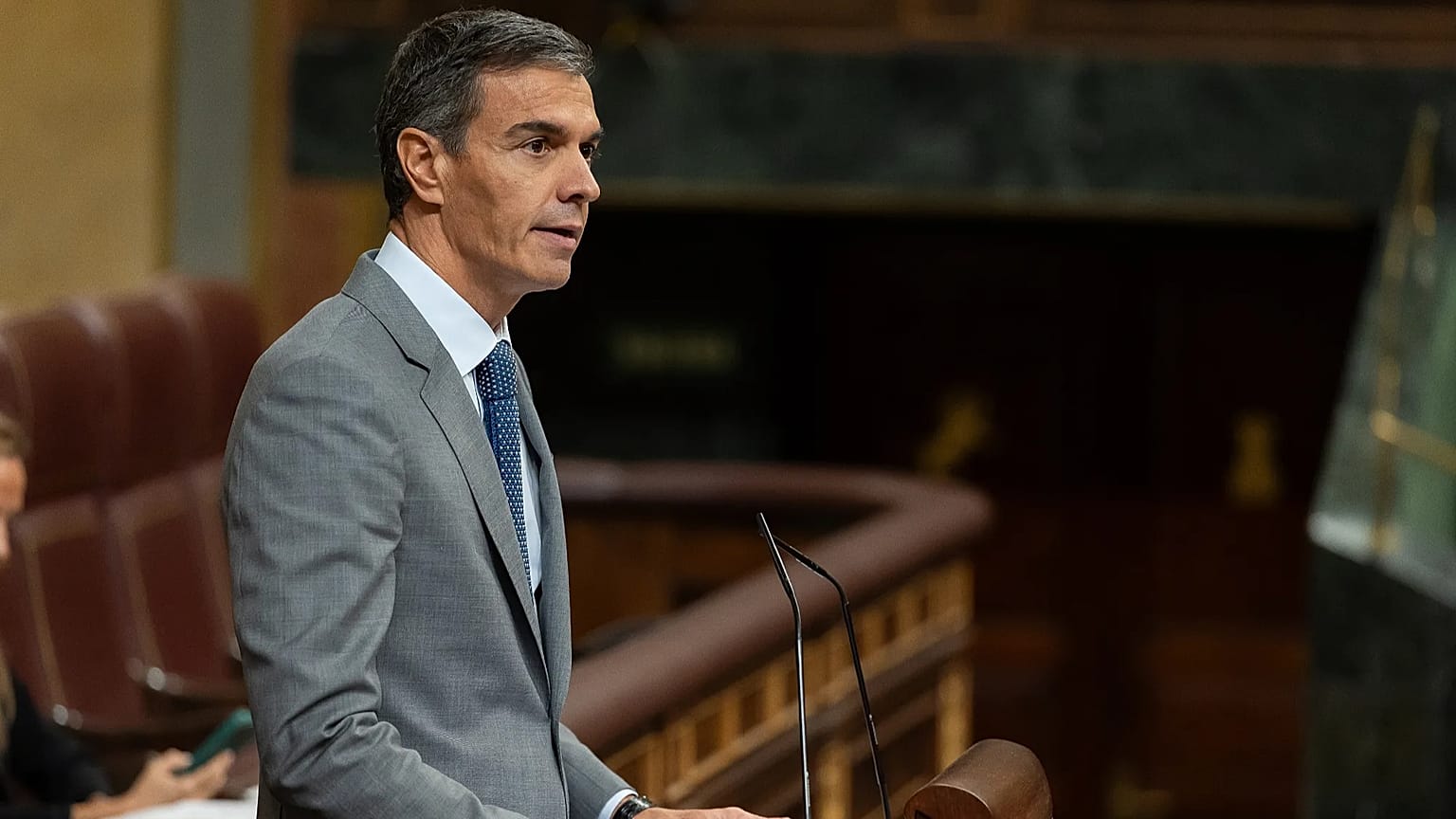
Spanish Prime Minister Pedro Sanchez has officially announced a snap general election, responding directly to escalating political tension and widespread public frustration over the country's worsening housing crisis. The surprise announcement has sent shockwaves through the national political arena, prompting immediate reactions from coalition partners, opposition leaders, and civic organizations across the country.
The decision to dissolve parliament and bring forward the electoral calendar comes after months of turbulent debates regarding housing affordability, surging rental prices, and the scarcity of accessible housing options for young and low-income citizens. Analysts note that the housing emergency has transformed into the primary battleground for Spanish voters, eclipsing traditional economic indicators and forcing the government to take drastic political action.
The Roots of the Housing Crisis
In recent years, urban centers such as Madrid, Barcelona, Valencia, and major tourist destinations have experienced an unprecedented surge in housing costs. Factors contributing to the crisis include:
- The explosive growth of short-term tourist rentals, which has significantly reduced the availability of long-term residential housing stock.
- Stagnant wage growth failing to keep pace with soaring property values and inflation.
- Foreign real estate investment driving up market prices beyond the reach of local residents.
- Insufficient construction of public social housing units over the past decade.
Public demonstrations have grown increasingly frequent and vocal. Citizens have taken to the streets demanding legislative caps on rental prices, stricter regulations on property speculators, and immediate government intervention to protect tenants from arbitrary eviction and displacement. Despite previous legislative attempts to curb rent hikes, critics argued that government policies were too lenient and failed to address the systemic nature of the emergency.
Political Fallout and Opposition Reactions
Opposition parties have seized upon the housing crisis as proof of governmental failure, accusing the administration of ignoring the daily struggles of ordinary Spaniards. Conservative and right-wing opposition factions argue that the government's interventionist approach, including proposed rent controls, stifles real estate development and exacerbates supply shortages. They are campaigning on platforms promoting market deregulation, tax incentives for private developers, and measures to stimulate economic growth.
Conversely, left-wing coalition partners and grassroots housing advocates contend that the government did not go far enough in challenging powerful landlords and real estate conglomerates. They argue that bolder redistributive policies and direct state involvement are essential to guarantee housing as a fundamental human right rather than a speculative commodity.
Implications for the Upcoming Campaign
As political parties mobilize for the accelerated electoral campaign, housing policy is expected to dominate every debate, rally, and policy manifesto. Economists and political scientists suggest that the outcome of these snap elections will reshape Spain's social contract and redefine the government's role in regulating the free market.
International observers are also closely monitoring the situation, noting that Spain's housing crisis mirrors broader affordability challenges affecting major metropolitan areas throughout Western Europe and North America. The upcoming vote will test whether electorate frustration can be successfully channeled into stable legislative reform or if it will lead to prolonged political fragmentation.
Election officials are currently finalizing preparations for the expedited polling date, urging citizens to review voter registration details and prepare for a high-stakes campaign cycle. As candidates hit the campaign trail, the central question remains whether future leadership can deliver sustainable solutions to the deep-seated structural flaws plagging Spain's housing market.
How do you feel about this story?
Discussion
No comments yet. Be the first to share your thoughts.
Join the discussion
Sign in to share your thoughts on this story.