BNN Summary
As the international community faces unprecedented geopolitical fragmentation, climate emergencies, and deep-seated conflicts, the selection process for the next Secretary-General of the United Nations takes center stage. Experts debate the essential qualities, political agility, and visionary leadership required to steer the global organization through an increasingly complex and polarized world order.
In-Depth Analysis
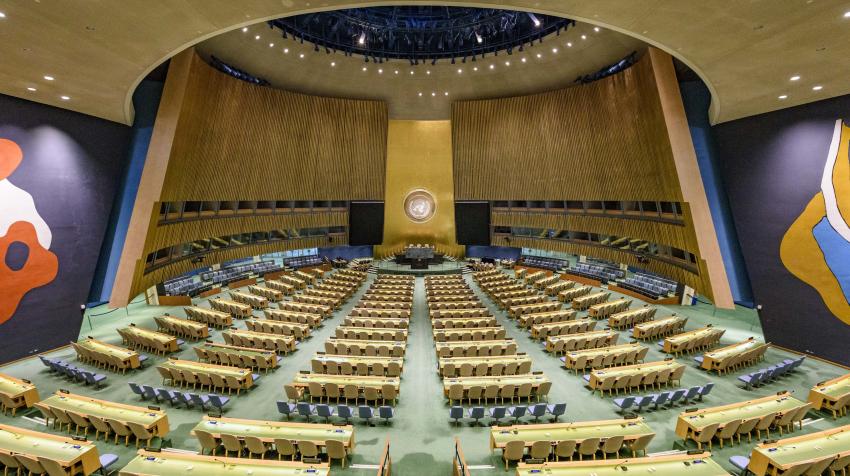
The search for the next leader of the United Nations brings to the forefront a critical evaluation of what the global body requires to remain relevant in a deeply fractured world. As current geopolitical tensions rise, institutional challenges mount, and transnational threats such as climate change and artificial intelligence regulation accelerate, the demands placed upon the UN Secretary-General have never been more daunting. Observers, diplomats, and international relations scholars agree that the traditional diplomatic playbook is no longer sufficient to navigate the modern global landscape.
The Anatomy of Modern Global Crisis Management
At the core of the discussion is the fundamental tension between national sovereignty and multilateral cooperation. The next leader will inherit an institution designed in the wake of the Second World War, a period starkly different from the contemporary era. Today, multilateralism faces severe headwinds from rising nationalism, protectionist economic policies, and the erosion of trust in international frameworks.
To bridge these divides, the incoming chief executive of the UN must possess exceptional political acumen. Unlike a traditional head of state, a UN Secretary-General does not command an army, a national treasury, or a domestic electorate. Instead, their primary instruments of power are moral authority, persuasive diplomacy, and the ability to forge consensus among bitterly opposed member states. They must act as an honest broker who can quietly negotiate behind closed doors while remaining a fierce public advocate for human rights, international law, and sustainable development.
Reforming the Security Council and Multilateral Architecture
One of the most pressing mandates for the next UN leader will be addressing the structural gridlock within the Security Council. For decades, criticism has mounted over the veto power held by the permanent five members, which often paralyzes the organization during major international crises. Whether addressing conflicts in Eastern Europe, the Middle East, or the Horn of Africa, the Security Council's inability to act swiftly has undermined global confidence in the UN's peace and security pillar.
The incoming leader must champion institutional reform with unprecedented vigor. This involves not only advocating for the expansion of the Security Council to better reflect the geopolitical realities of the twenty-first century—including greater representation for the Global South—but also streamlining bureaucratic procedures within the wider Secretariat to ensure rapid response capabilities. Bureaucratic inertia has frequently hindered humanitarian relief operations and peacekeeping missions, making internal modernization an operational imperative.
Championing Climate Action and Technological Governance
Beyond traditional diplomacy and security, the next leader must confront existential threats that transcend borders. Climate change continues to accelerate, posing severe risks to global food security, economic stability, and human displacement. The UN Secretary-General must maintain relentless pressure on governments to honor their climate commitments, phase out fossil fuels, and provide adequate financing for climate adaptation in vulnerable developing nations.
Simultaneously, the rapid advancement of emerging technologies presents a brand-new frontier for international governance. Artificial intelligence, autonomous weapons systems, and cyberspace security are areas where global norms are desperately lagging behind innovation. The next UN chief will need to spearhead groundbreaking regulatory frameworks that harness the benefits of technology while safeguarding humanity from its profound risks.
The Imperative of Moral Clarity and Courage
Ultimately, the success of a UN Secretary-General is often defined by their willingness to speak truth to power. In an era where disinformation campaigns run rampant and democratic norms face severe stress, the global community looks to the UN leader to defend the foundational principles of the United Nations Charter. This requires immense personal courage, resilience, and an unwavering commitment to universal human values.
As the selection process unfolds, member states and civil society organizations alike must prioritize candidates who demonstrate not only administrative competence but also visionary leadership. The world does not need a mere manager of the status quo; it requires a transformative figure capable of uniting a divided planet in pursuit of a secure, equitable, and sustainable future.
How do you feel about this story?
Discussion
No comments yet. Be the first to share your thoughts.
Join the discussion
Sign in to share your thoughts on this story.