BNN Summary
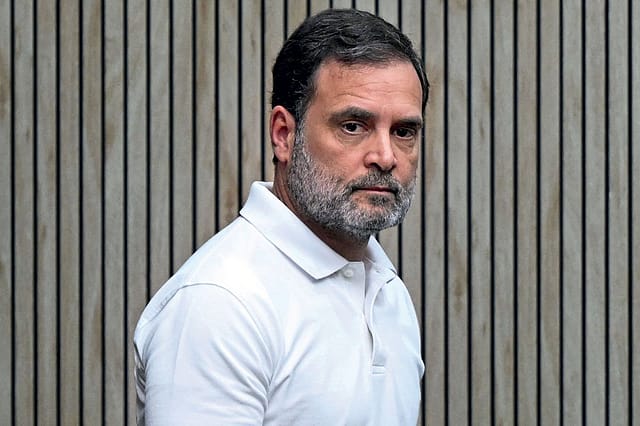
Congress leader Rahul Gandhi is successfully capturing the attention of Generation Z voters through innovative digital outreach and relatable public interactions. However, political analysts question whether the grand old party possesses the grassroots machinery necessary to convert this modern virtual momentum into tangible electoral success during upcoming legislative battles.
In-Depth Analysis
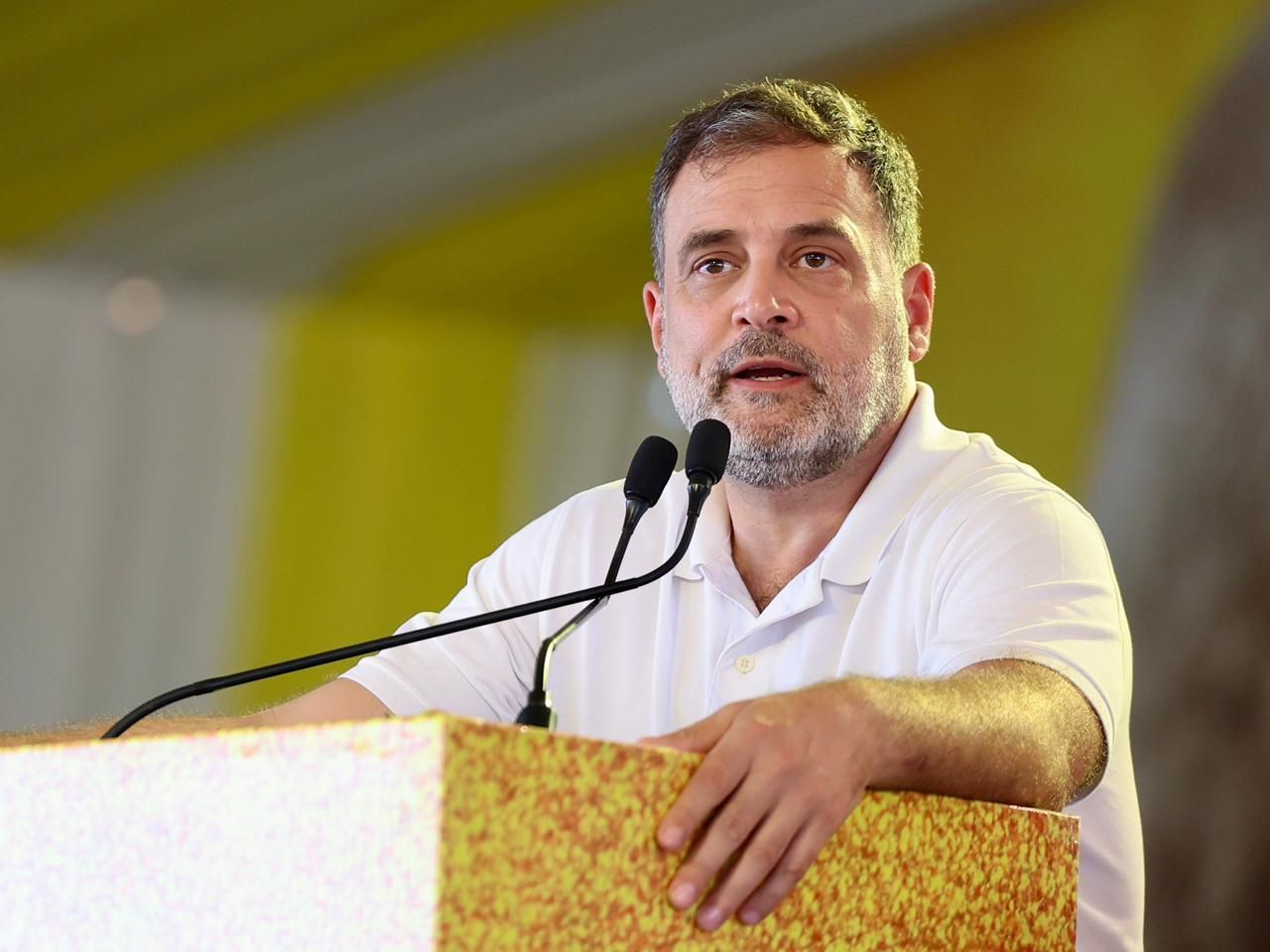
The political landscape is shifting rapidly as opposition leaders adapt to the digital age, with prominent Indian National Congress figure Rahul Gandhi making significant inroads into the younger demographic. Known as Generation Z, these first-time voters and young adults are increasingly engaging with political discourse through short-form video content, social media platforms, and direct interactions during nationwide yatras. Observers note that Gandhi's casual yet focused demeanor, often highlighted by unscripted conversations with college students, gig workers, and young professionals, has humanized his political persona and resonated deeply with modern youth aspirations.
Despite this growing digital popularity and a distinct ideological pitch centered around employment, economic equity, and constitutional protection, a critical question looms over the grand old party. Does the Congress organization possess the structural agility, grassroots depth, and disciplined machinery required to translate virtual likes, shares, and fleeting goodwill into actual ballot-box victories? Historically, political campaigns relied heavily on traditional booth management, localized caste alignments, and enduring patronage networks. While the Bharatiya Janata Party and other regional heavyweights have fine-tuned their cadre-based mobilization strategies with advanced data analytics, the Congress party has often struggled with internal factionalism and antiquated administrative setups at the district and block levels.
Political strategists argue that while a compelling national narrative is vital for capturing the imagination of youth, local organizational muscle is what ultimately secures a victory on counting day. In many states, the organizational vacuum left by years of electoral defeats has rendered the party incapable of sustaining momentum between major election cycles. Furthermore, youth wings of political parties often function as launchpads for career politicians rather than vibrant incubators for grassroots activism. Unless the party leadership systematically integrates these young enthusiasts into active booth-level committees, the current Gen Z wave risks remaining a superficial social media phenomenon rather than a transformative political force.
Moreover, the economic anxieties troubling Gen Z—ranging from shrinking formal sector jobs and stagnant wages to intense competition in higher education—provide fertile ground for opposition messaging. Yet, articulating these grievances effectively requires a sustained, two-way communication channel that connects national policy debates with localized municipal and panchayat issues. As the political calendar advances toward crucial state and national contests, the primary challenge for the Congress high command is less about formulating the right message and more about empowering local leaders to execute it. Only time will reveal whether the party can bridge the widening gap between Rahul Gandhi's modern digital outreach and its traditional, often sluggish, organizational apparatus.
How do you feel about this story?
Discussion
No comments yet. Be the first to share your thoughts.
Join the discussion
Sign in to share your thoughts on this story.