BNN Summary
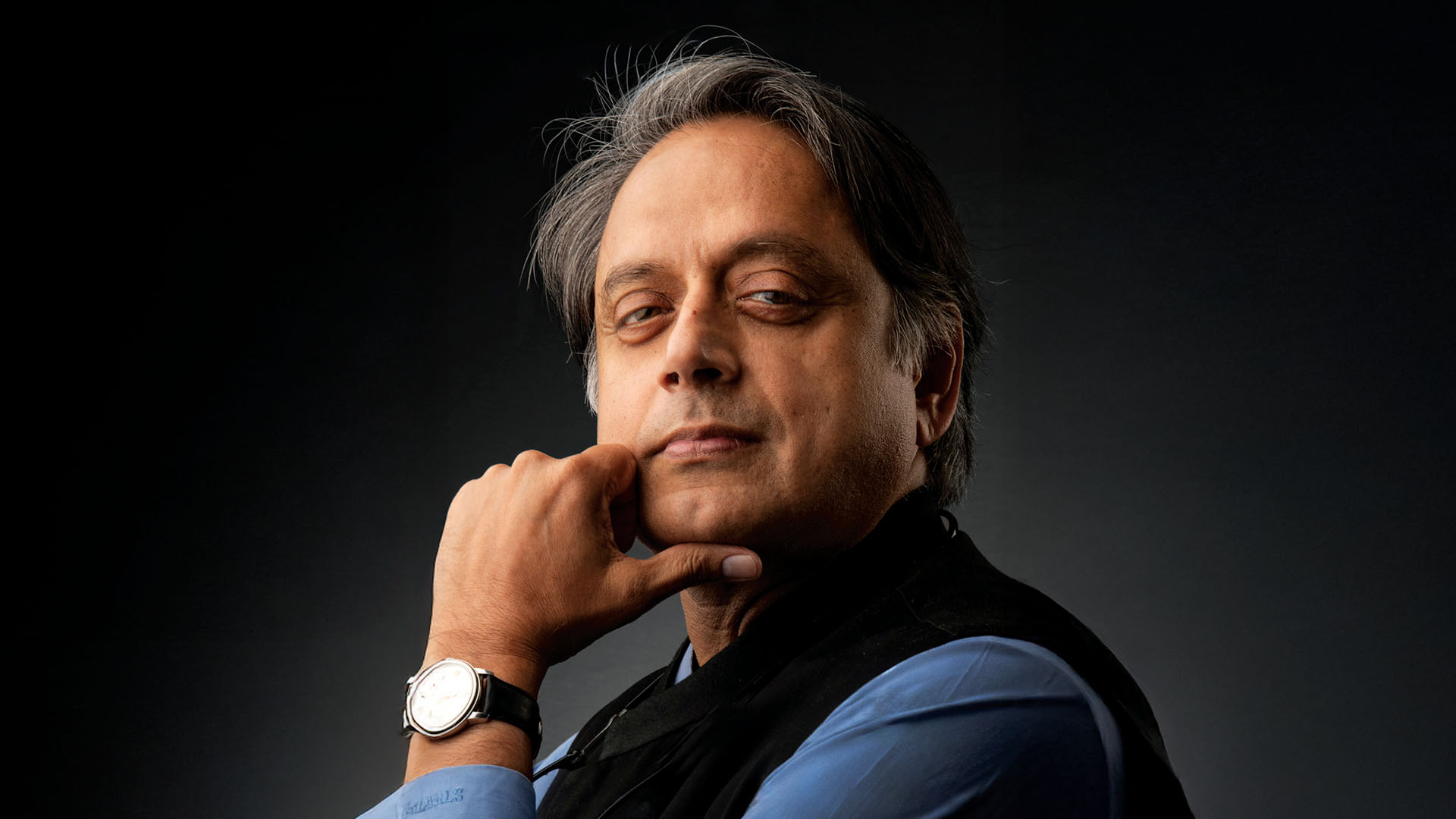
Senior Indian politician Rahul Gandhi led a high-profile march of opposition INDIA bloc leaders to the Supreme Court of India in New Delhi. The demonstration culminated in a formal legal plea filed against Chief Election Commissioner Gyanesh Kumar, alleging electoral manipulation and systemic irregularities during recent polls. Gandhi addressed the gathered crowds and media, asserting that the opposition would not be intimidated by state apparatuses or political pressure.
In-Depth Analysis
NEW DELHI — In a significant escalation of political tensions in the national capital, senior Indian opposition leader Rahul Gandhi spearheaded a massive march involving leaders of the Indian National Developmental Inclusive Alliance (INDIA) bloc toward the Supreme Court of India. The high-stakes demonstration brought together prominent opposition figures who united to voice deep concerns regarding the transparency and integrity of the country's electoral processes.
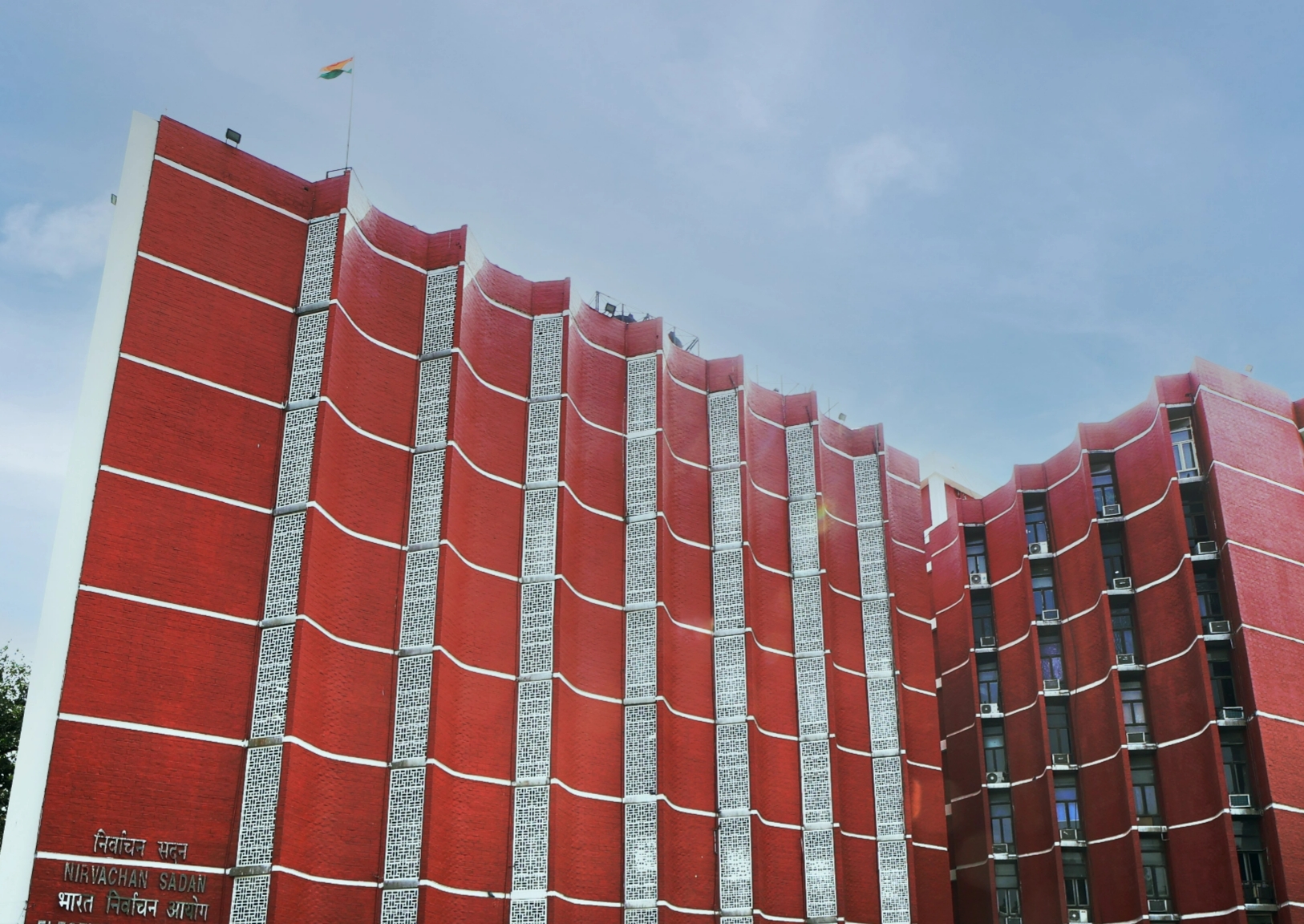
Following the march, the opposition delegation formally lodged a comprehensive legal petition against Chief Election Commissioner (CEC) Gyanesh Kumar. The petition places heavy emphasis on allegations of 'vote chori' or electoral theft, demanding urgent judicial scrutiny into the administrative conduct of the election watchdog. Opposition leaders argued that independent constitutional bodies must remain entirely impartial and transparent to safeguard the foundational principles of Indian democracy.
Addressing a charged gathering of supporters, party workers, and media personnel after the march concluded, Rahul Gandhi adopted a defiant stance against political adversaries and state authorities. 'They cannot beat us, they cannot threaten us, and they cannot frighten us,' Gandhi declared to roaring applause from the crowd. He expressed profound gratitude to the protesters and coalition members who traveled from various parts of the country to participate in the demonstration.
Gandhi also made a striking public claim during his address, stating that he continues to receive numerous confidential messages and alerts from citizens and whistleblowers regarding alleged administrative flaws and data discrepancies in the voting mechanism. Directing a pointed message toward Chief Election Commissioner Gyanesh Kumar, Gandhi urged the election authority to address these grievances transparently rather than dismissing legitimate public concerns.
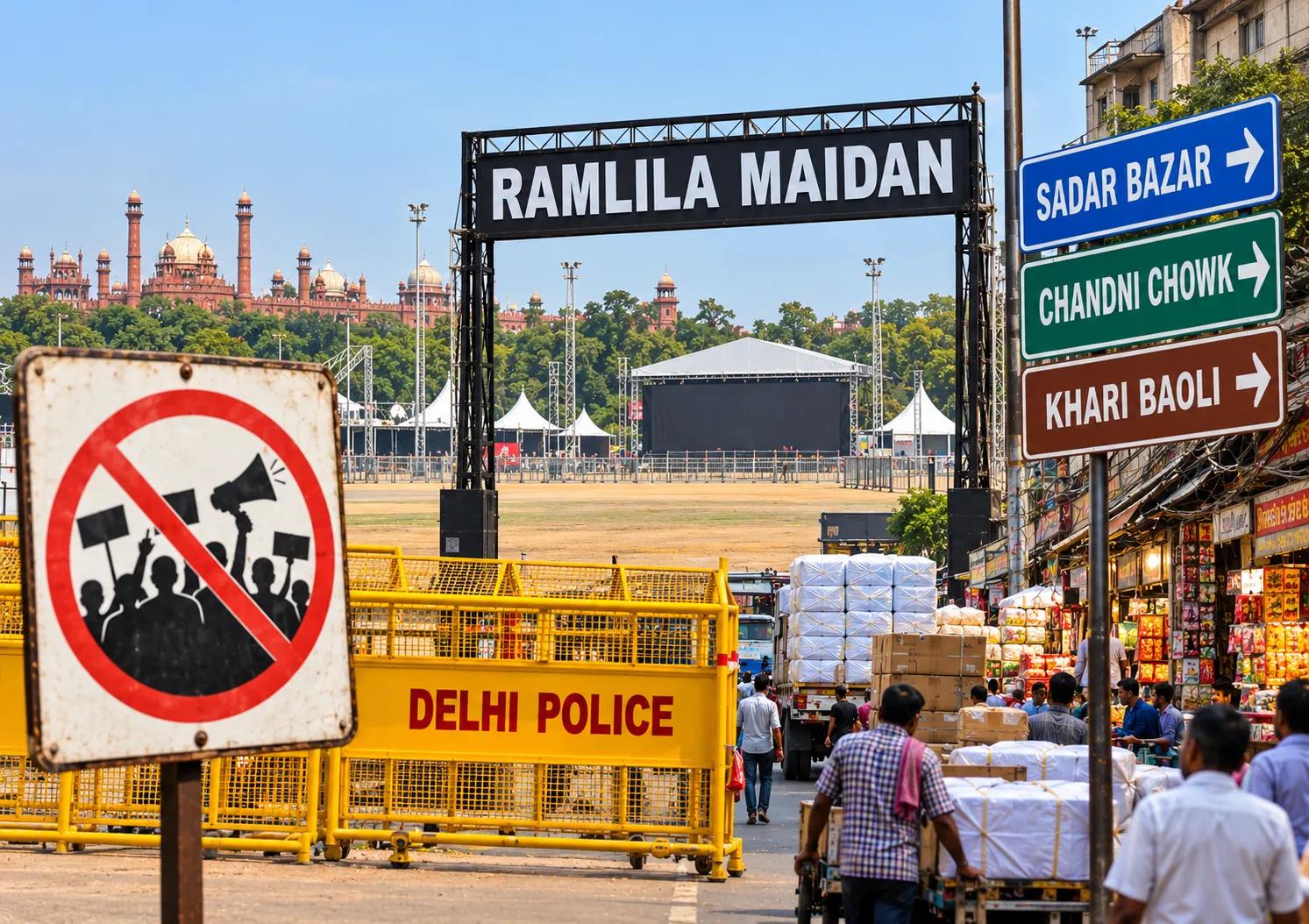
The protest march commenced from a designated assembly point in central New Delhi, with heavy deployment of security forces, barricades, and traffic diversions managed by the Delhi Police to maintain law and order. Despite the heavy police presence, INDIA bloc leaders marched shoulder-to-shoulder, holding banners and chanting slogans demanding electoral accountability.
Political analysts view this development as a pivotal moment for the opposition coalition, which has been attempting to consolidate its narrative around institutional autonomy and democratic safeguards ahead of upcoming electoral battles. By taking the legal route and approaching the highest court of the land, the opposition aims to force a judicial review of administrative protocols governing the Election Commission of India.
As the legal proceedings unfold, the Supreme Court is expected to review the maintainability and merits of the petition filed by the opposition leaders. Meanwhile, the ruling political establishment has dismissed the allegations as politically motivated posturing, setting the stage for an intense political and legal battle in the coming weeks.
How do you feel about this story?
Discussion
No comments yet. Be the first to share your thoughts.
Join the discussion
Sign in to share your thoughts on this story.