BNN Summary
Senior Congress leader Renuka Chowdhury has launched a scathing attack on the administration, declaring that the national capital is currently under siege by its own government. Her remarks came during a major protest led by INDIA bloc leaders opposing the Chief Election Commissioner.
In-Depth Analysis
Senior Congress leader and Member of Parliament Renuka Chowdhury has made striking allegations against the central administration, stating forcefully that the national capital of the country is effectively under siege by its very own government. Her remarks resonated strongly across political circles as opposition parties intensify their collective resistance against state and central policies.
Speaking to reporters and supporters during a high-profile demonstration in New Delhi, Chowdhury expressed profound dismay over the deteriorating state of democratic accountability and institutional freedom. She argued that the fundamental rights of citizens and political representatives are being routinely undermined by heavy-handed governance tactics reminiscent of authoritarian regimes.
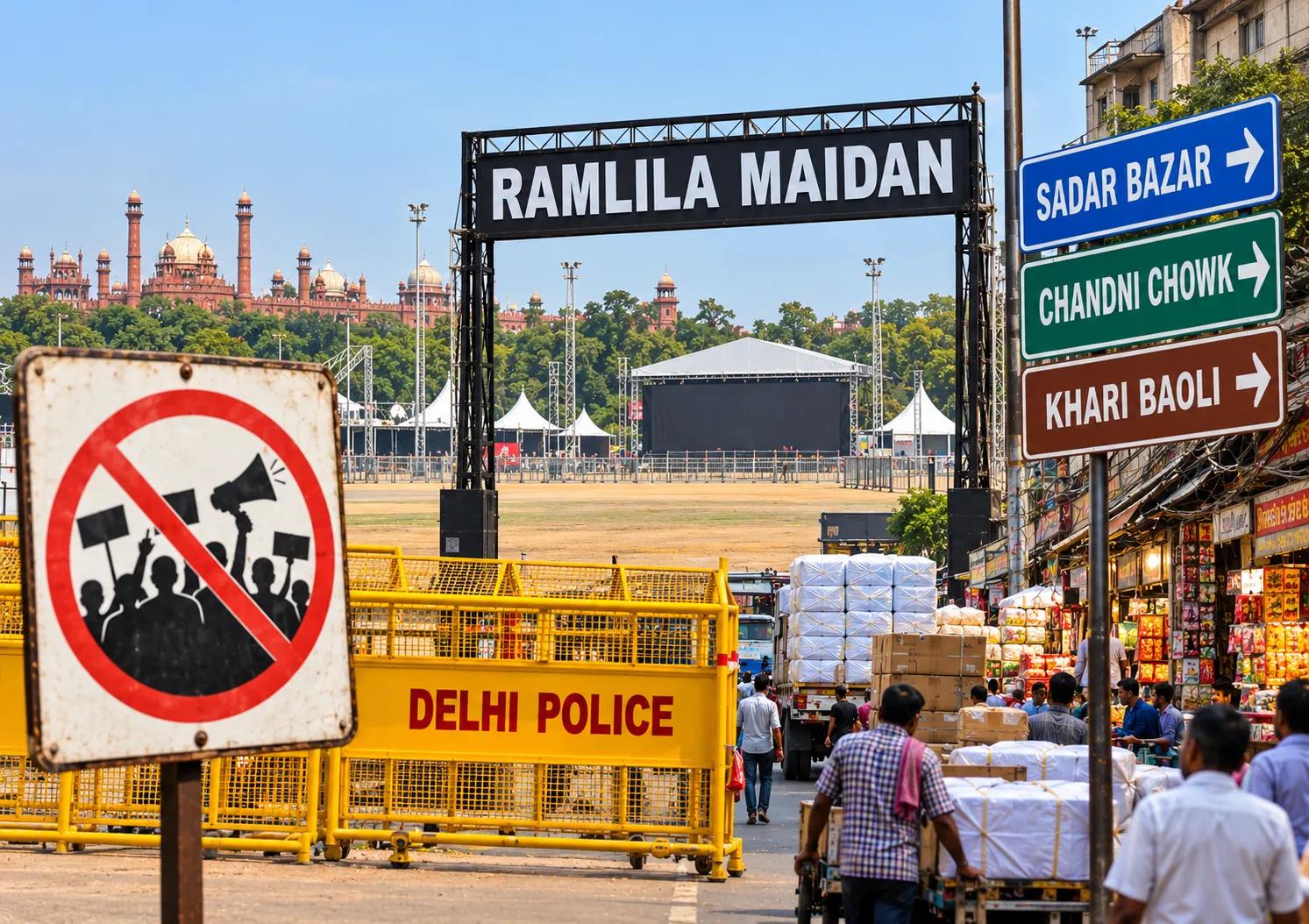
The vocal opposition leader emphasized that the capital city, which should stand as a shining beacon of constitutional democracy and transparent administration, has instead been transformed into a fortress. She pointed to the massive deployment of security forces, barricades restricting public movement, and the preventive detention of political activists as clear evidence of an administration fearful of dissent.
'The capital of this country is under siege by its own government,' Chowdhury declared with deep frustration. She added that citizens are being treated like adversaries in their own land simply for raising legitimate questions about electoral integrity, governance failures, and the misuse of central investigative agencies.
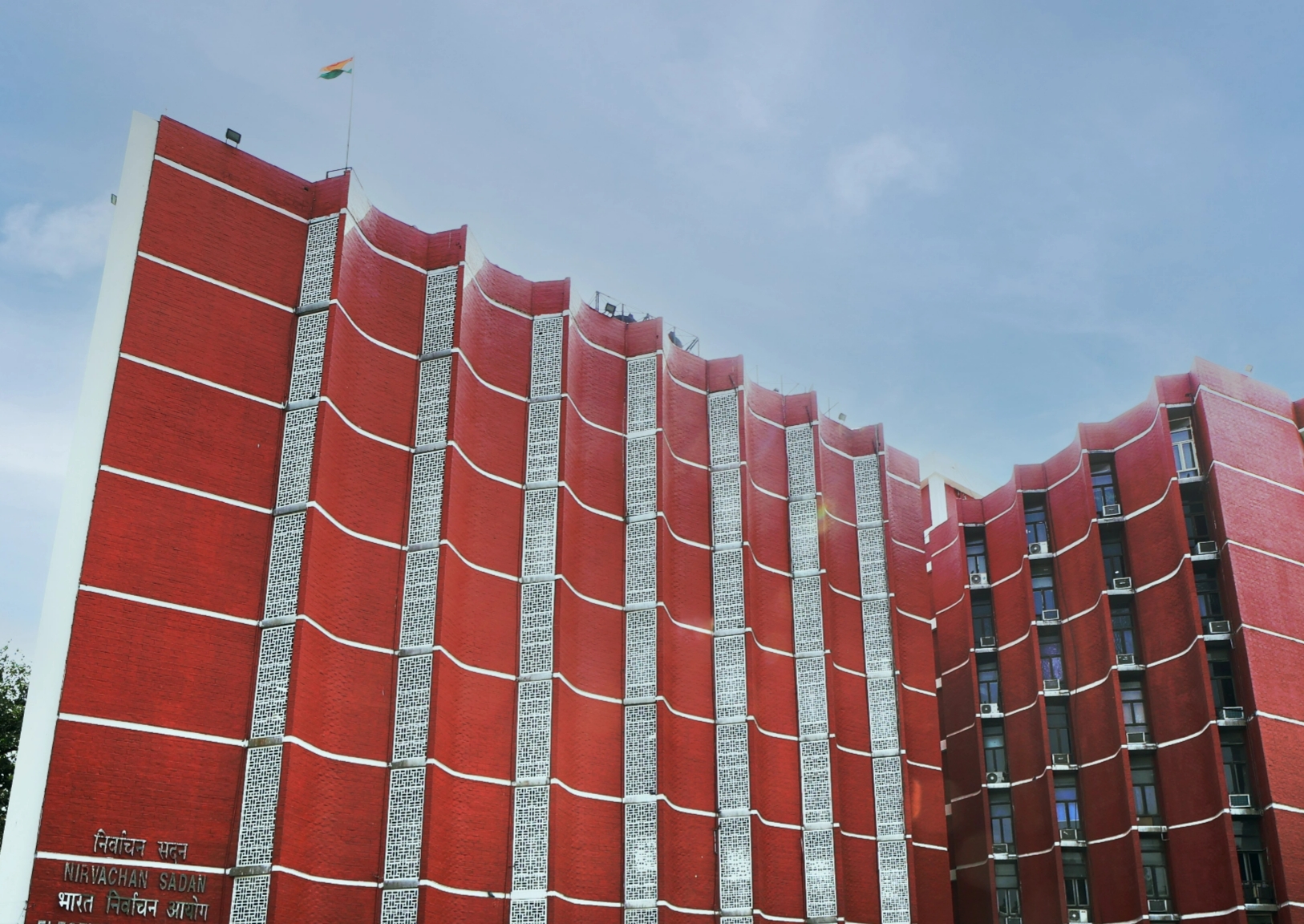
The demonstration in which Chowdhury participated was part of a broader, coordinated wave of protests organized by the INDIA opposition bloc. Prominent political leaders from various constituent parties took to the streets of New Delhi to voice their vehement opposition against Chief Election Commissioner Gyanesh Kumar. The protesting leaders marched toward key government and institutional zones, holding banners and shouting slogans demanding absolute neutrality, transparency, and fairness in the upcoming electoral processes.
Political analysts view this escalation as a crucial turning point in opposition strategy. With multiple regional and national parties aligning their efforts under the INDIA banner, the political landscape is witnessing a concerted pushback against perceived overreach by executive authorities. The alliance has consistently raised concerns regarding the independence of constitutional bodies, asserting that institutions such as the Election Commission must remain entirely impartial and free from political influence.
Security arrangements across New Delhi remained exceptionally tight throughout the day of the protest. Authorities deployed extensive barricades, water cannons, and large contingents of police and paramilitary forces to prevent demonstrators from breaching restricted zones. Several opposition leaders were briefly detained as they attempted to move past police cordons, leading to tense standoffs between law enforcement personnel and determined political workers.
Despite the heavy police presence and restrictive measures, opposition leaders remained defiant. They vowed to continue their agitation across different states and parliamentary constituencies to awaken the public conscience. Renuka Chowdhury reiterated that the Congress party and its allies will not be cowed down by intimidation tactics or administrative pressure.
As the political tussle between the ruling establishment and the opposition alliance intensifies, civil society members and constitutional experts are closely watching developments. The unfolding events underscore deep-seated tensions regarding the health of Indian democracy, the autonomy of vital state institutions, and the fundamental right to peaceful protest in the world's largest democracy. Further political rallies and parliamentary debates are expected as the opposition prepares to raise these pressing issues during the upcoming legislative sessions.
How do you feel about this story?
Discussion
No comments yet. Be the first to share your thoughts.
Join the discussion
Sign in to share your thoughts on this story.