BNN Summary
Australian Prime Minister Anthony Albanese faced scrutiny after a diplomatic gaffe regarding the Strait of Hormuz at the United Nations was quietly edited and removed from the official record, sparking domestic political debate and questions regarding transparency.
In-Depth Analysis
Asignificant diplomatic discrepancy emerged on the international stage as official United Nations records were quietly altered to remove a prominent verbal blunder made by Australian Prime Minister Anthony Albanese regarding the strategically vital Strait of Hormuz. The incident, which initially drew silent bewilderment among foreign policy observers and diplomats attending the high-level summit, has now translated into a domestic political controversy concerning transparency, accountability, and the management of official governmental communications.
The Incident at the United Nations
The controversy began during a plenary session where world leaders gathered to discuss global security, maritime trade routes, and geopolitical stability in the Middle East. While delivering his scheduled address, Prime Minister Albanese referenced the Strait of Hormuz—a crucial choke point for global oil supplies—in a manner that experts quickly identified as factually incorrect and diplomatically sensitive. The verbal slip-up conflated regional maritime jurisdictions and misstated Australia's diplomatic positioning on naval escorts and international freedom of navigation patrols in the volatile gulf region.
Diplomatic corps and media representatives monitoring the live broadcast immediately noted the error. Foreign policy analysts pointed out that such misstatements, especially when uttered from the podium of the United Nations General Assembly, carry weighted implications for international alliances and bilateral relations with Middle Eastern nations. However, rather than issuing a formal public clarification or correction through standard diplomatic channels immediately following the speech, the administration pursued a quiet administrative remedy.
Erasure from the Official Record
Hours after the address concluded, attentive journalists and researchers discovered that the official transcript published on the United Nations digital archive portal differed significantly from the recorded live video feed. The specific passages containing the Strait of Hormuz blunder had been heavily edited, with the erroneous remarks completely excised and replaced with generalized diplomatic language that aligned with standard Australian foreign policy positions.
This retroactive modification of an official transcript sparked immediate backlash from opposition lawmakers and freedom of information advocates. Critics argued that altering a leader's public address retroactively without issuing an explicit corrigendum or public notice undermines the integrity of historical documentation and sets a troubling precedent for transparency.
Domestic Political Fallout
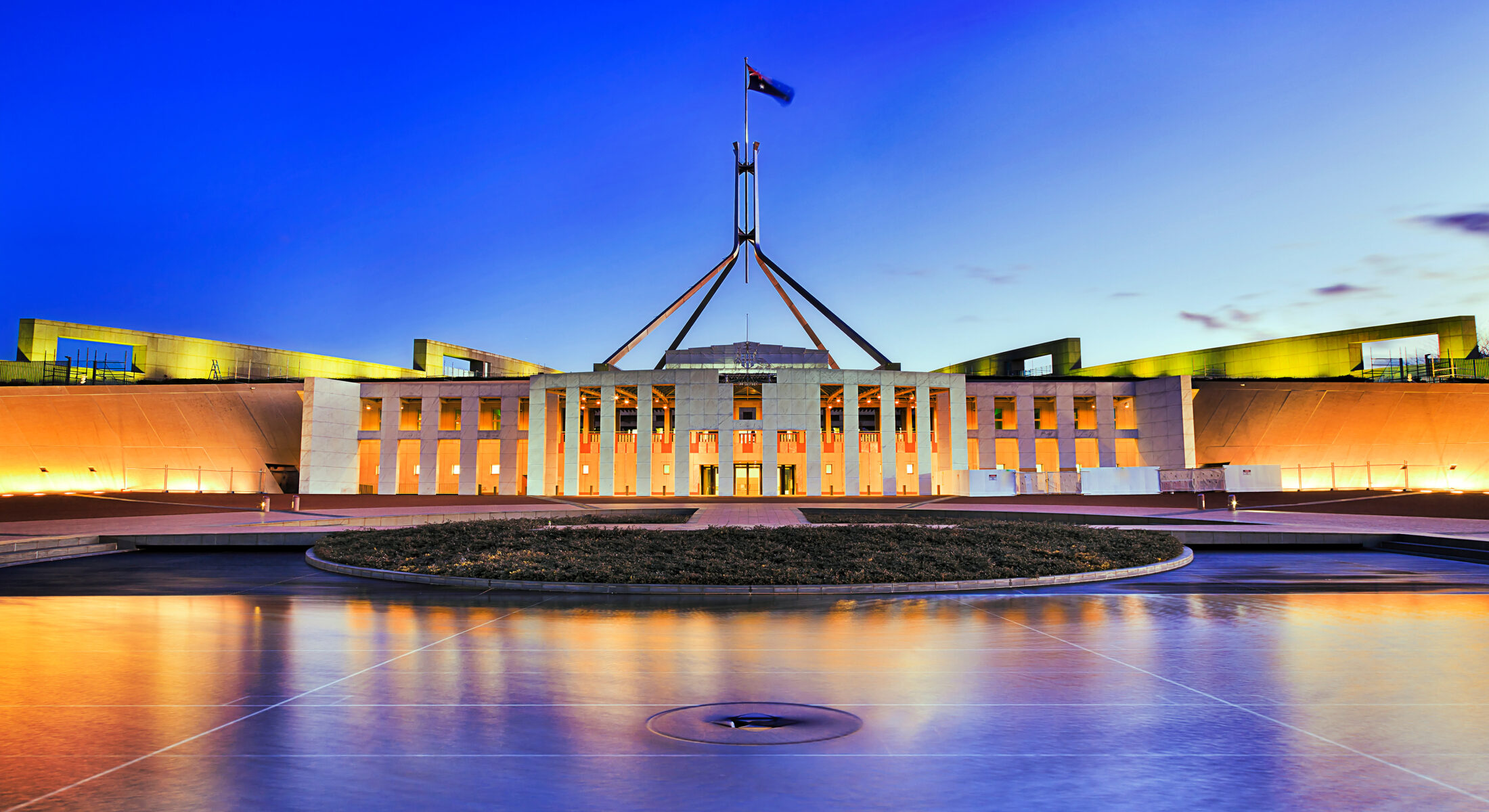
Back in Canberra, opposition parties seized upon the revelation to question the competence of the Prime Minister's media and diplomatic advisory teams. Parliamentary inquiries were swiftly drafted, demanding answers regarding who authorized the alteration of the UN record and whether formal pressure was exerted on United Nations secretariat staff to modify the official text post-facto.
'A leader speaking on the global stage must own their words, and attempting to quietly scrub mistakes from the historical record through administrative editing does not erase the reality of the gaffe,' stated a senior opposition shadow minister during a press briefing. 'Transparency is not optional, especially when dealing with critical international security matters.'
Government defenders pushed back against the criticism, arguing that leaders frequently submit minor textual clarifications to Hansard and international archives to correct inadvertent slips of the tongue. They maintained that the alteration was a routine administrative correction designed to ensure accuracy rather than an attempt to obscure policy positions.
Broader Implications for Diplomacy
The episode highlights the delicate balance modern political leaders must maintain between public extemporaneous speaking and rigid diplomatic messaging. In an era where every spoken word is instantly broadcast, analyzed, and archived globally, managing the aftermath of verbal missteps has become increasingly complex. As the debate continues in the Australian parliament, the incident serves as a cautionary tale about the permanence of digital media and the challenges of retroactively managing international diplomacy.
How do you feel about this story?
Discussion
No comments yet. Be the first to share your thoughts.
Join the discussion
Sign in to share your thoughts on this story.