BNN Summary
As Morocco approaches its upcoming national elections, the country's younger demographic is deeply divided on whether political participation can yield meaningful societal change. While some young citizens actively campaign for reform through traditional and modern political channels, many others remain cynical, citing systemic hurdles and a perceived disconnection between elected officials and grassroots realities.
In-Depth Analysis
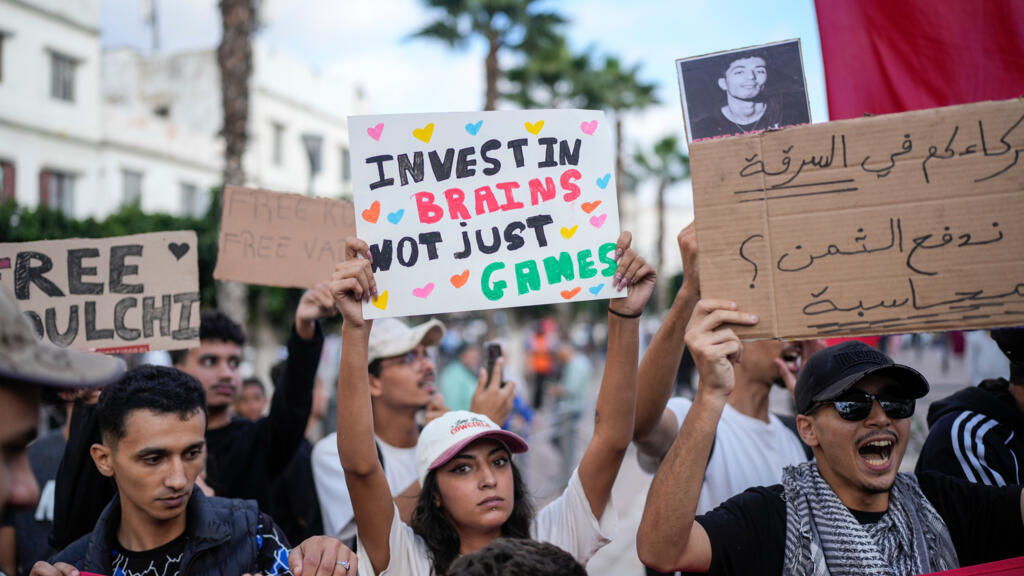
As Morocco prepares for its upcoming national elections, a profound generational divide is emerging among the country's youth regarding the efficacy of political engagement. With a significant portion of the population consisting of citizens under the age of thirty, the political choices made today will undoubtedly shape the nation's future trajectory for decades to come. However, interviews with young Moroccans reveal a fractured landscape where optimism and cynicism exist in equal measure.
On one side of the spectrum, a dedicated segment of young activists believes that genuine reform can only be achieved by working from within the established political framework. These politically active youths argue that boycotting elections or remaining on the sidelines only empowers stagnant political elites to maintain the status quo. By joining political parties, participating in youth wings, and utilizing social media platforms to mobilize voters, this group is pushing for progressive policies on employment, education, and social justice. They contend that political parties are beginning to modernize their outreach, listening more closely to the aspirations of a digitally connected generation.
Conversely, a substantial number of young people express deep-rooted apathy and disillusionment toward the political establishment. Many cite persistent structural challenges, such as high youth unemployment rates, regional disparities in infrastructure, and limited economic mobility, as proof that successive governments have failed to deliver on their promises. For these skeptics, political campaigns are often viewed as empty rhetoric designed to secure power rather than serve the public interest. This segment argues that systemic reforms are superficial and that true empowerment requires alternative avenues of expression, ranging from grassroots community activism to creative arts and entrepreneurship.
Civil society organizations and political analysts note that bridging this gap is crucial for the health of Morocco's democracy. Voter turnout among the younger demographic has historically been a point of concern for election monitors, who warn that persistent alienation could further weaken civic trust. In response, various independent initiatives have been launched across the country to educate first-time voters, demystify the electoral process, and encourage constructive dialogue between candidates and constituents.
Ultimately, the upcoming elections serve as a critical litmus test for Morocco's political parties. Whether they can successfully convince skeptical youth that their voices matter—and that their ballots can trigger tangible socioeconomic transformation—remains one of the defining questions of the current electoral cycle. As campaign season intensifies, the eyes of the nation are fixed on this dynamic demographic, whose collective decision will reverberate far beyond the polling stations.
How do you feel about this story?
Discussion
No comments yet. Be the first to share your thoughts.
Join the discussion
Sign in to share your thoughts on this story.