BNN Summary
The Netherlands is actively preparing for potential severe sanctions from the United States directed at the International Criminal Court, headquartered in The Hague. Dutch authorities are reviewing diplomatic and legal measures to protect the judicial institution and maintain international cooperation amid mounting geopolitical tensions.
In-Depth Analysis
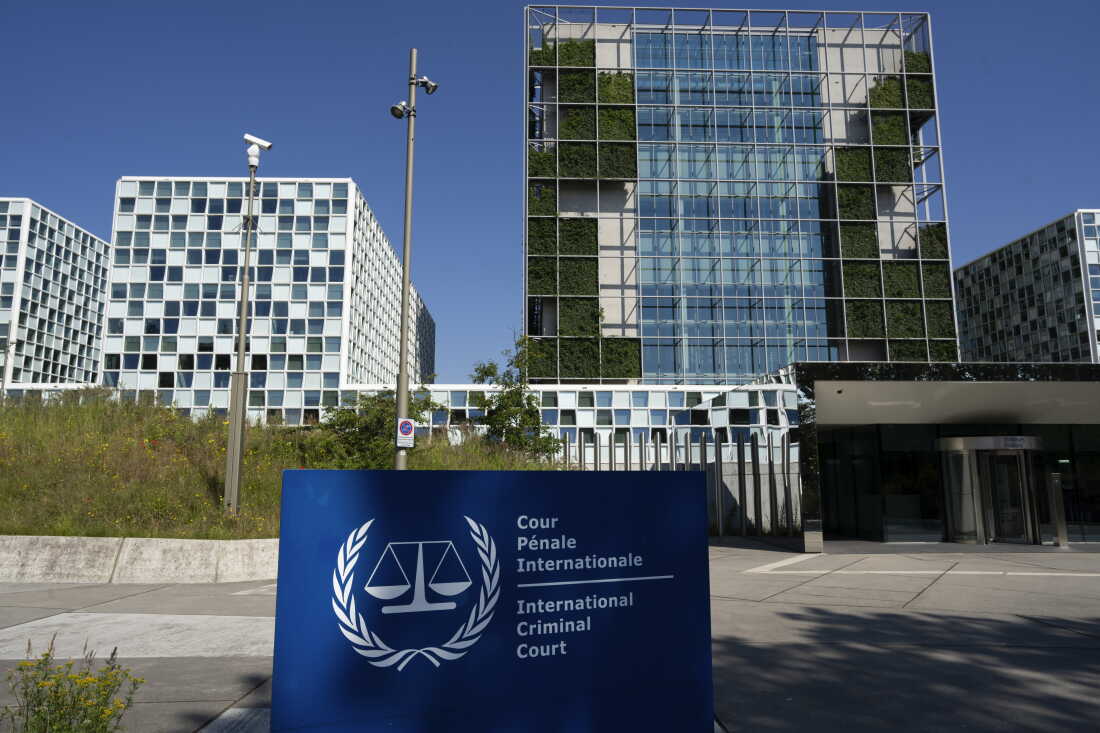
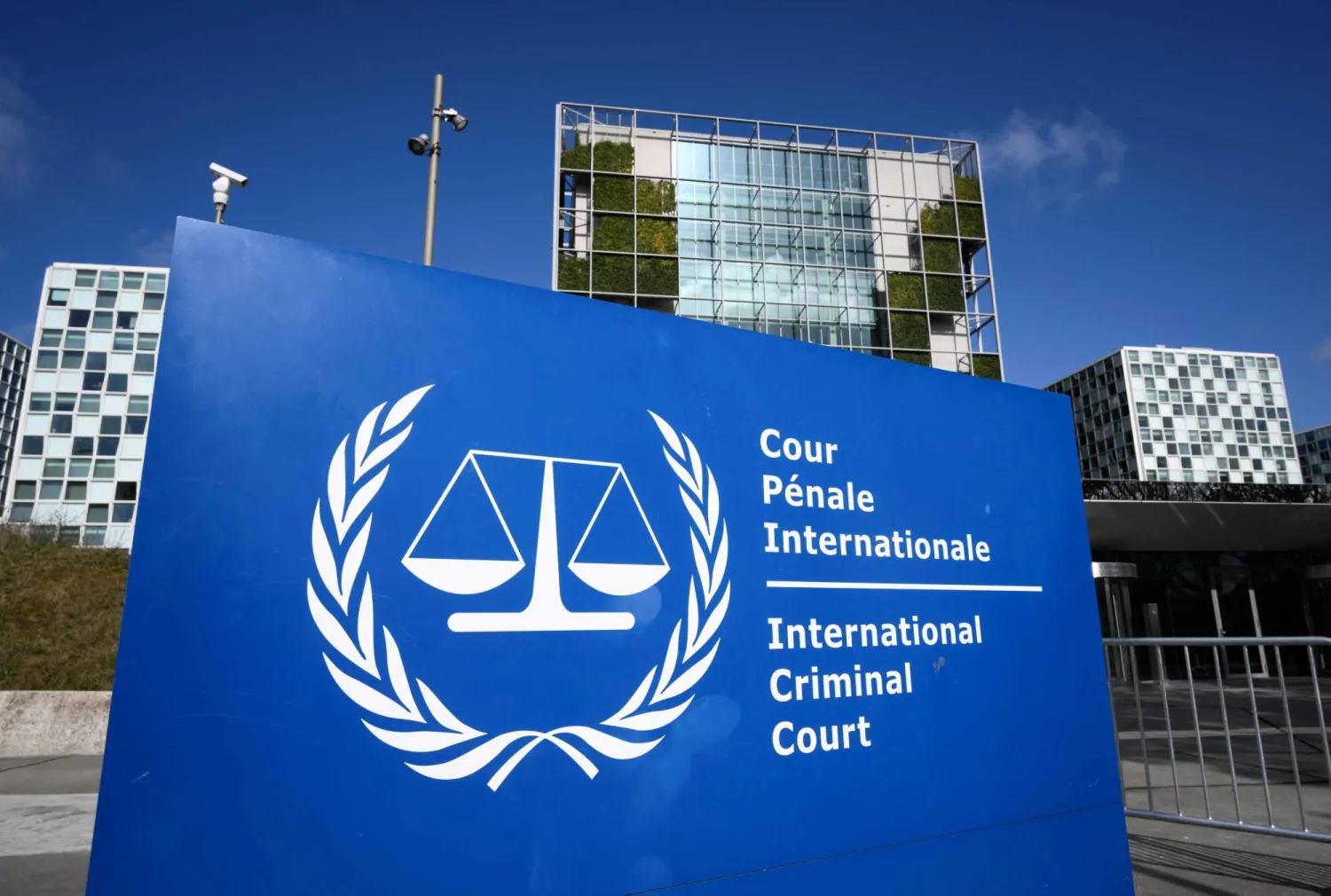
The government of the Netherlands has entered a state of heightened preparedness as diplomatic circles anticipate potentially devastating sanctions from the United States directed against the International Criminal Court (ICC). Headquartered in The Hague, the tribunal occupies a unique and sensitive position under Dutch jurisdiction, making the host nation acutely vulnerable to the fallout of any escalating confrontation between Washington and the global judicial body.
Geopolitical Tensions Escalate Over Judicial Authority
The friction between the United States and the International Criminal Court is rooted in deep-seated disagreements regarding jurisdiction over non-member states. Washington has historically maintained a staunch opposition to the court exercising authority over American military personnel and allied officials who are not parties to the Rome Statute. Recent investigations and potential arrest warrants issued by the ICC prosecutor have further inflamed tensions, prompting hardline policymakers in the United States to advocate for aggressive punitive measures.
Such measures could theoretically include financial blockades, visa restrictions, and asset freezes targeting court officials, judges, and administrative staff. Because the physical infrastructure and day-to-day operations of the ICC are deeply anchored within Dutch territory, any sweeping sanctions imposed by a major global financial power like the United States carry significant ramifications for the local operational environment.
The Dilemma For The Host Nation
As the host country, the Netherlands bears a legal and moral obligation under the Host State Agreement to ensure the security, independence, and smooth functioning of international organizations operating within its borders. Dutch diplomats and legal experts are currently engaged in intensive consultations to assess the full spectrum of risks posed by potential U.S. sanctions.
Government officials in The Hague have emphasized the vital importance of upholding international law and protecting judicial independence. However, they also recognize the delicate diplomatic balancing act required to manage relations with a crucial transatlantic ally while simultaneously safeguarding an essential pillar of global international justice.
- Key Concerns Addressed By Dutch Authorities:
- Ensuring uninterrupted financial transactions and banking access for court personnel operating within the European banking system.
- Protecting administrative staff and judges from secondary sanctions or travel restrictions.
- Maintaining robust channels of communication with Washington to de-escalate potential policy confrontations.
Potential Impact On International Diplomacy
The prospect of American sanctions against the ICC has drawn sharp criticism from various human rights organizations and legal scholars worldwide. Critics argue that penalizing an independent judicial institution undermines the global rules-based order and weakens accountability for international crimes. Conversely, supporters of a hardline approach within Washington contend that the court overreaches its mandate when targeting individuals from nations that have not consented to its jurisdiction.
For the Netherlands, the unfolding crisis serves as a stark reminder of the challenges inherent in hosting institutions that find themselves at the center of fierce geopolitical rivalries. As discussions continue behind closed doors, Dutch policymakers remain committed to defending the integrity of international courts while navigating the complex diplomatic landscape ahead.
How do you feel about this story?
Discussion
No comments yet. Be the first to share your thoughts.
Join the discussion
Sign in to share your thoughts on this story.